Queensland Solar Panels Harvest Indoor Light at 16% Efficiency
Australian researchers created lead-free solar panels that run gadgets on ordinary household light, hitting record 16% efficiency. Your wireless keyboard could soon ditch batteries for good.
Imagine never changing batteries in your fitness tracker, wireless mouse, or smart home sensors again.
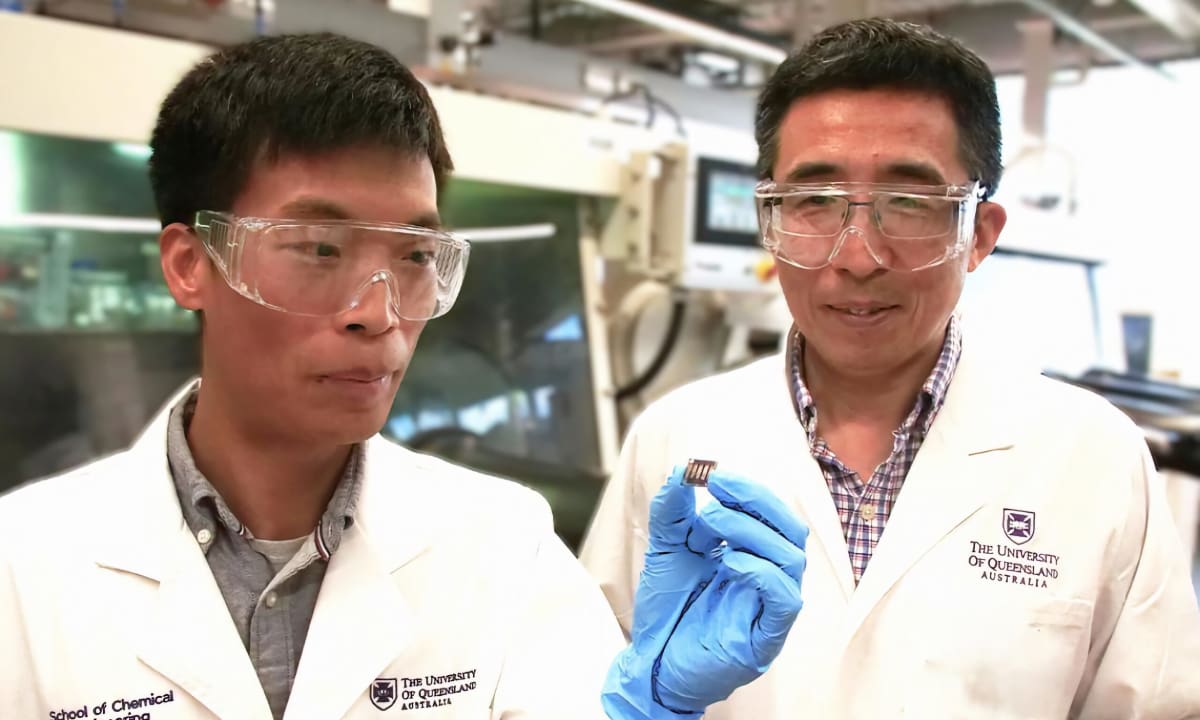
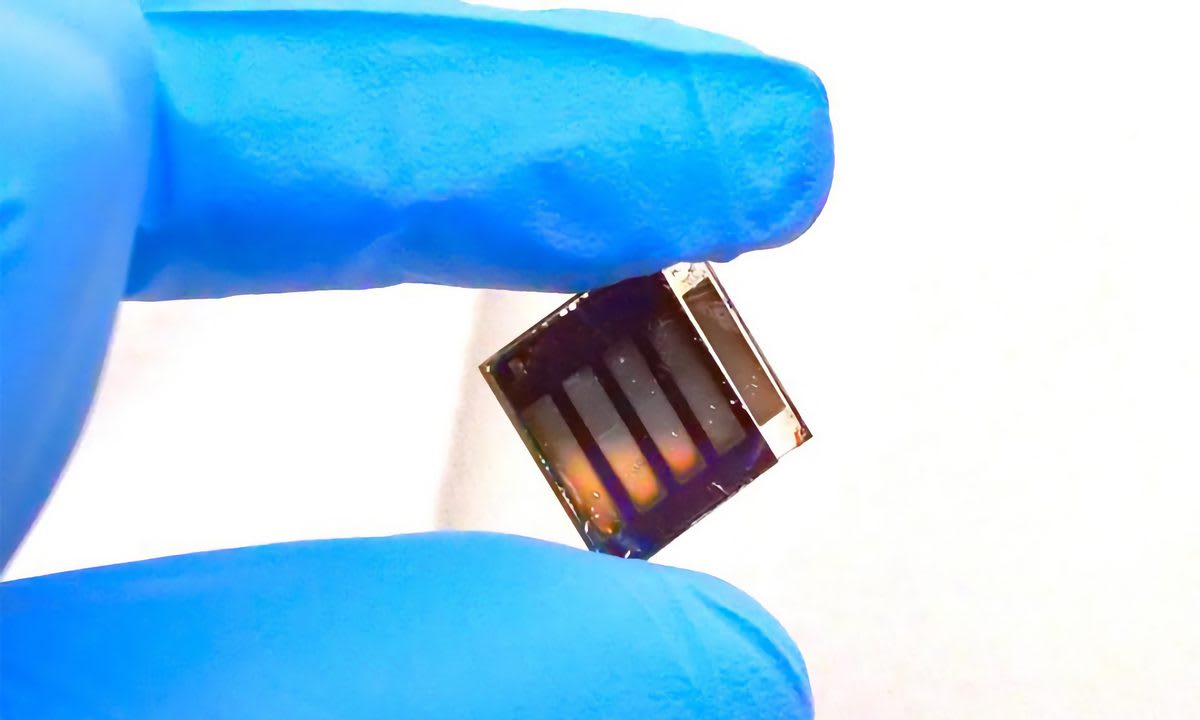
Researchers at the University of Queensland just made that future more likely. They've developed indoor solar panels that can power small devices using nothing more than the light already shining in your home or office.
The breakthrough centers on perovskite, a promising material that's been held back by a dirty secret. Traditional versions require toxic lead and harsh chemical solvents during manufacturing, making them impractical for mass production.
PhD researcher Zitong Wang and her team solved this problem by creating a vapor-based production method that's completely lead-free. The result is cleaner, safer, and actually performs better than anything that came before.
Their panels achieved 16.36% power conversion efficiency under normal indoor lighting. That might sound modest, but it crushes the 10% ceiling that traditional silicon cells typically hit indoors, and it's the highest ever recorded for a lead-free indoor solar cell made with industry-ready methods.
The practical applications are already taking shape. Wearable health monitors could run continuously without weekly charging rituals. Environmental sensors scattered throughout buildings could self-sustain indefinitely. Electronic shelf labels in stores, which currently need battery swaps or recharging, could draw power from the same fluorescent lights illuminating the aisles.
The panels themselves bring another advantage: they're thin, lightweight, and flexible. Manufacturers can shape them to fit curved surfaces or odd spaces without redesigning entire products.
The Ripple Effect
This technology could quietly eliminate millions of disposable batteries from the waste stream each year. Small electronics multiply quickly in modern homes, and each one demanding regular battery replacements adds up to significant environmental impact.
Beyond individual devices, the shift could reshape how we design buildings and workspaces. Indoor environments already have light for human use. Now that same light can serve double duty, powering the growing network of sensors and smart devices that make spaces more efficient and responsive.
The research team still needs to improve moisture and oxygen resistance before commercial rollout. But Dr. Miaoqiang Lyu expects indoor perovskite panels to start appearing in consumer products within just a few years, riding momentum from industries hungry for sustainable energy solutions.
Your home is already full of light. Soon it might power everything in it.
More Images
Based on reporting by Google: solar power breakthrough
This story was written by BrightWire based on verified news reports.
Spread the positivity!
Share this good news with someone who needs it