Radar System Monitors Babies' Hearts Without Touch
Scientists created a radar system that tracks heart and breathing rates without touching patients, offering new hope for fragile newborns in intensive care. The technology works even when patients move around, marking a breakthrough for wireless health monitoring.
Imagine monitoring a premature baby's heartbeat and breathing without a single wire, patch, or sensor touching their delicate skin. That future just moved closer to reality.
Computer science professor Suman Banerjee at the University of Wisconsin-Madison and his team developed MEDUSA, a radar system that tracks vital signs from across the room. The technology uses radar waves to detect tiny chest movements, translating them into accurate readings of heart and breathing rates.
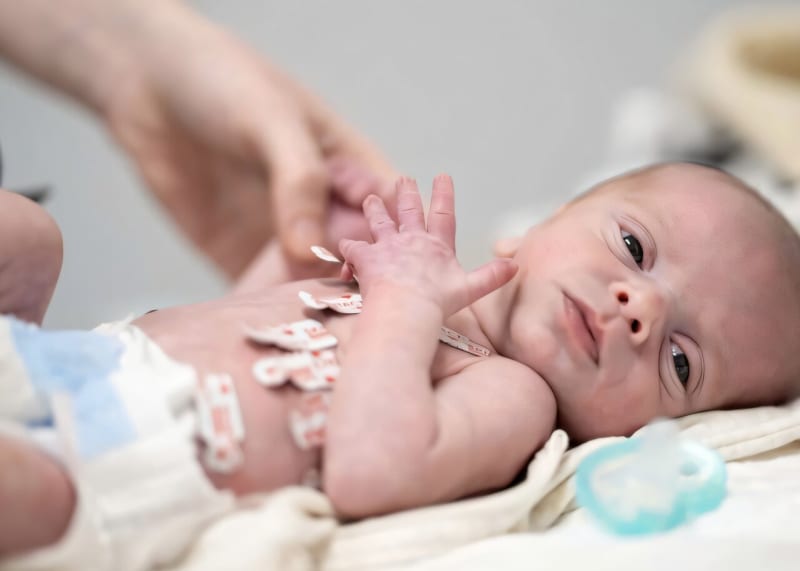
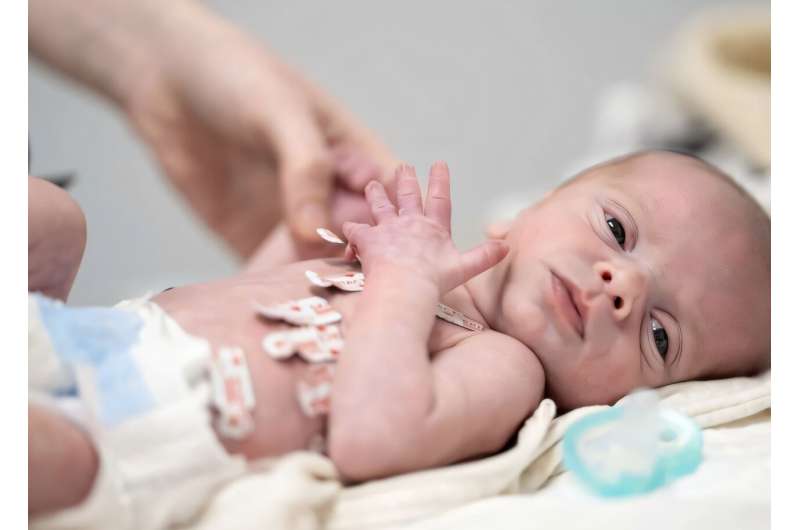
The breakthrough solves a problem that's plagued hospitals for years. In neonatal intensive care units, the very devices designed to protect fragile infants can harm them. Adhesive patches cause skin tears, wires get tangled, and every sensor contact point risks infection.
Current radar systems only work in controlled lab settings because they lose accuracy when patients move or turn away. MEDUSA overcomes this by placing multiple radar units around a room, creating a system that maintains monitoring even when one sensor loses its view. Custom hardware and software work together to separate vital signs from other movements like shifting in bed or reaching for a glass of water.
The system works in real patient environments, not just sterile labs. Published in the Proceedings of the 31st Annual International Conference on Mobile Computing and Networking, the research demonstrates reliable monitoring without any physical contact.
The Ripple Effect
The benefits extend far beyond newborns. Adults using home health monitors often struggle with uncomfortable wearables that slip, chafe, or give inaccurate readings when poorly fitted. Elderly patients recovering at home could receive continuous monitoring without remembering to charge devices or position sensors correctly.
For NICUs specifically, contactless monitoring could transform care. Nurses could check on infants without disturbing their sleep, and parents could hold their babies without navigating a maze of medical equipment. The reduced infection risk alone could prevent serious complications for immune-compromised newborns.
Banerjee's team previously developed augmented reality headsets to help first responders navigate dangerous buildings, showing their commitment to using wireless technology for public good. Now they're working to make the radar hardware compact enough for real-world medical settings.
The next step involves securing funding to transform the research prototype into a system hospitals can actually use. The team envisions radar units small enough to mount in patient rooms or even integrate into medical equipment already in place.
From devices we wear to environments that watch over us, health monitoring is getting a gentle upgrade that puts patient comfort first.
More Images
Based on reporting by Medical Xpress
This story was written by BrightWire based on verified news reports.
Spread the positivity!
Share this good news with someone who needs it