Radiance Brought First Nations Women to Center Stage in 1993
Thirty years ago, three Aboriginal women took the lead in a groundbreaking play that changed Australian theatre forever. Radiance put complex First Nations female characters front and center for the first time on a major stage.
📺 Watch the full story above
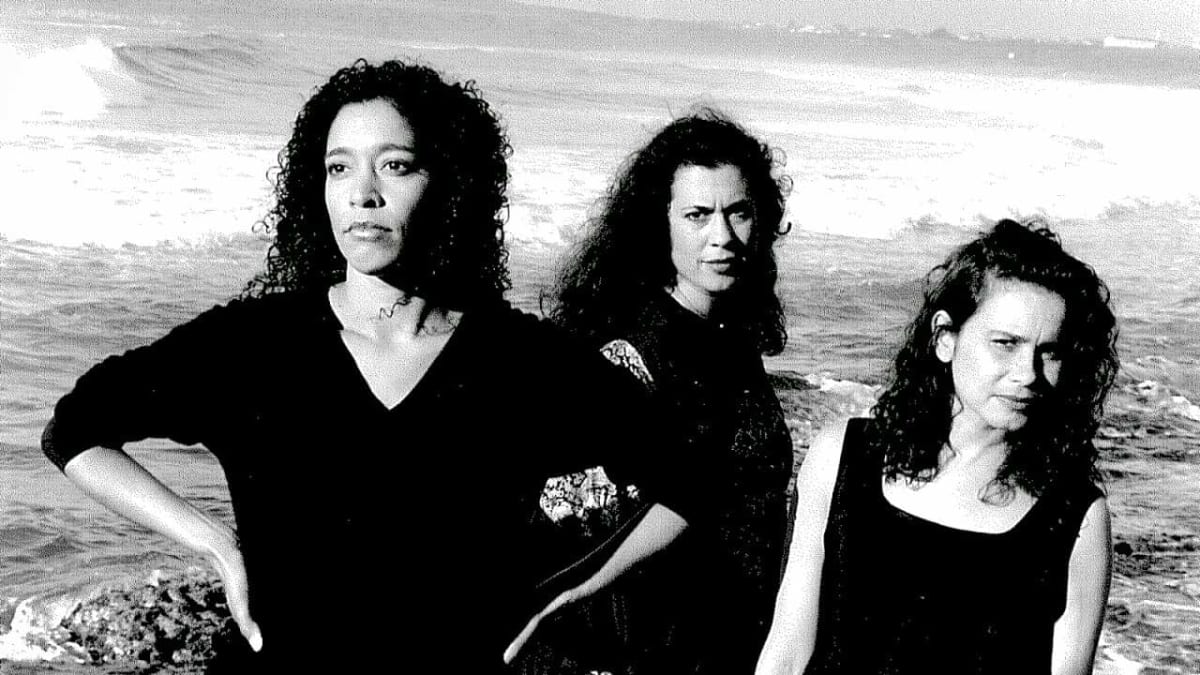
In 1993, something unprecedented happened at Sydney's Belvoir St Theatre. Three Aboriginal women stepped into the spotlight as the leads of Radiance, marking the first time complex First Nations female characters held center stage in a major Australian production.
Rachael Maza, Lydia Miller, and Rhoda Roberts AO brought Louis Nowra's story to life. The play followed three half-sisters reuniting at their mother's funeral in Far North Queensland, navigating grief, identity, and tangled family ties together.
The timing wasn't accidental. Just six years earlier, the first Black national playwrights' conference had convened in Canberra. In 1988, Roberts helped co-found the Aboriginal National Theatre Trust, joining an inaugural committee that included Brian Syron, Kevin Gilbert, and Justine Saunders, with Oodgeroo Noonuccal as patron.
These movements laid the groundwork for Radiance to become a box office hit. More importantly, it became a defining work of the Blak Theatre movement, shifting who controlled First Nations stories on Australian stages.
At a time when Indigenous narratives were often sidelined or filtered through non-Indigenous perspectives, seeing three Aboriginal women command a mainstage production represented real change. The play didn't just tell a story; it reclaimed the power to tell it.
Five years later, Rachel Perkins adapted Radiance for film. The 1998 movie starred Deborah Mailman, Rachael Maza, and Trisha Morton-Thomas, with cinematography by a young Warwick Thornton.
The film made history too. Perkins became the first Arrernte woman to direct a full-length feature, and only the third First Nations person to do so after Tracey Moffatt's BeDevil. Mailman became the first Aboriginal woman to win an AFI Award.
The Ripple Effect
What started on one Sydney stage in 1993 created waves that continue today. The success of Radiance proved audiences were hungry for authentic First Nations stories told by First Nations artists.
That production helped establish a foundation for the thriving community of Indigenous writers, directors, and performers working across Australian theatre and film today. From stage to screen, the path Radiance carved opened doors that remain open.
The play demonstrated something powerful: when you give talented artists the platform and trust them to tell their own stories, something beautiful and important emerges.
More Images


Based on reporting by SBS Australia
This story was written by BrightWire based on verified news reports.
Spread the positivity!
Share this good news with someone who needs it