Radio Static Becomes Computing Power in New Wireless Tech
Engineers have flipped the script on radio interference, turning the "noise" that normally disrupts networks into a tool that performs calculations instantly. This breakthrough could help autonomous cars and smart cities handle massive data loads without slowing down.
What if the very thing that clogs up wireless networks could actually make them smarter and faster?
Engineers worldwide are testing a revolutionary approach called over-the-air computation that transforms radio interference from enemy to ally. Instead of fighting the natural collision of wireless signals, this technology harnesses it to perform math in mid-air.
The concept sounds almost magical but relies on basic physics. When multiple devices transmit at once, their radio waves naturally combine and overlap. Traditional networks treat this as a problem to solve, building elaborate systems to separate each signal and decode it individually.
Over-the-air computation does the opposite. It designs transmissions so that when signals merge in the air, they're actually performing useful calculations like adding numbers or finding averages. The network itself becomes a distributed computer, crunching data as it travels.
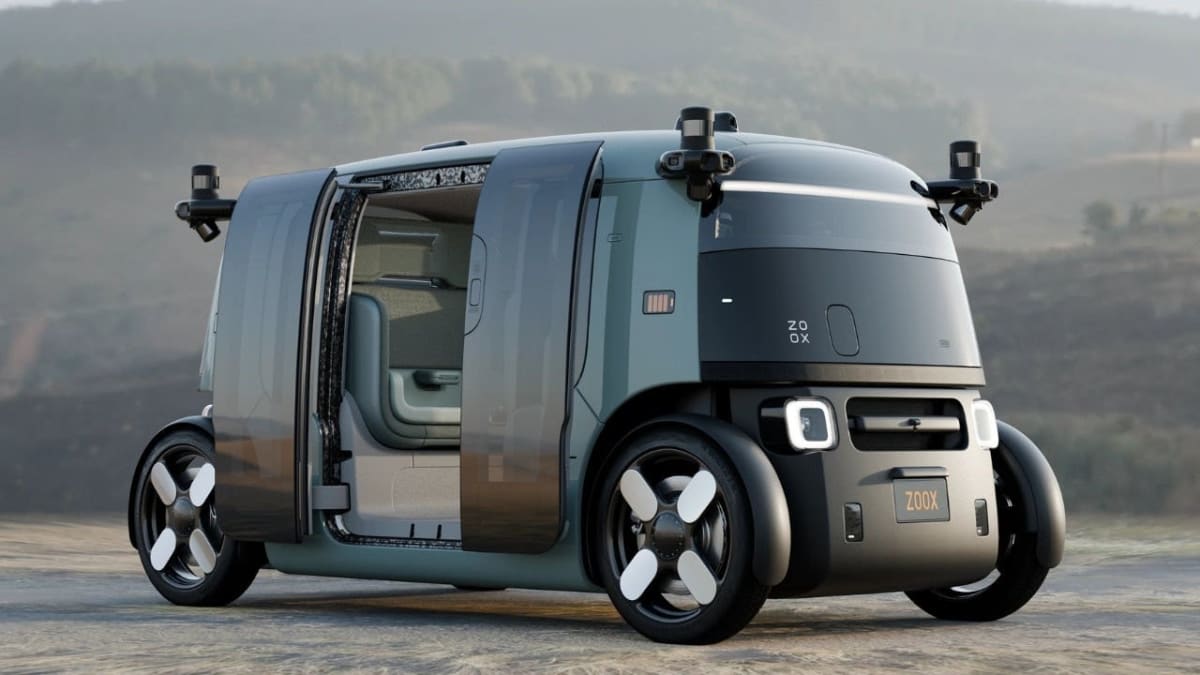
Picture a snowy highway where autonomous cars suddenly need to share urgent information about road conditions and emergency braking. Instead of each vehicle sending separate messages that clog the network, their combined signals could instantly calculate the average speed or identify the most critical alerts.
Research teams first proposed this approach in 2005, but working prototypes are only now emerging. The systems use analog-style signaling on digital radios, allowing wave patterns to represent numbers that add together naturally before any complex processing begins.
The implications reach far beyond self-driving cars. Smart cities could gather sensor data from thousands of devices without overwhelming their networks. Internet-of-Things gadgets in homes could coordinate more efficiently. AI systems could train faster by performing calculations across distributed devices.
The Ripple Effect
This technology addresses a challenge that will only grow more urgent as wireless networks expand. Every new sensor, smart device, and connected vehicle adds to the computational burden. Traditional approaches require building more infrastructure to keep pace.
Over-the-air computation flips that equation. The more devices join the network, the more processing power becomes available. Growth creates capacity instead of consuming it.
Early tests show the system reduces both latency and energy consumption by cutting through layers of digital processing. Many network tasks don't actually require logging every individual transmission. They need aggregate patterns like averages, majorities, or peak values.
Engineers are now developing digital versions that can work alongside existing wireless protocols, making the transition smoother for real-world adoption. The technology could help networks scale gracefully while using radio spectrum more efficiently.
What once sounded like static might soon sound like progress.
More Images

Based on reporting by IEEE Spectrum
This story was written by BrightWire based on verified news reports.
Spread the positivity!
Share this good news with someone who needs it