Rain Gardens Turn Your Yard Into a Flood Fighter
A simple backyard solution is helping homeowners protect their homes from flooding while beautifying their neighborhoods. These native plant gardens soak up excess water, filter pollutants, and could save your basement from the next big storm.
Your garden might be the secret weapon your home needs to fight back against flooding.
As extreme weather becomes more common, homeowners are discovering that a simple landscaping trick called a rain garden can stop water from reaching their basements and foundations. These shallow, planted beds are saving homes while making yards more beautiful.
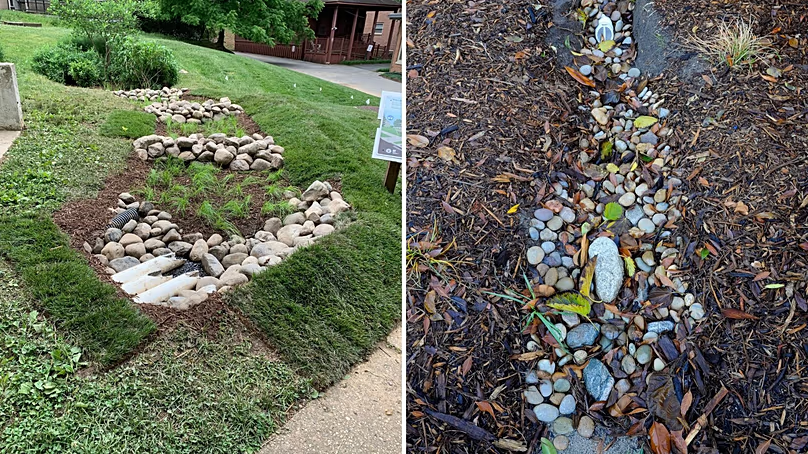
A rain garden is just a dip in your yard filled with native plants that love water. You place it where rainwater naturally flows, like near downspouts or driveways. When storms hit, the garden catches runoff before it floods your home or carries pollutants into storm drains.
The setup is surprisingly simple. Dig a shallow bowl shape about 15 centimeters deep and at least three meters from your house. Fill it with native perennials, shrubs, and grasses that thrive in wet conditions. Direct your gutters or driveway runoff toward the garden, and let nature do the rest.
The plants do double duty. Their roots soak up excess water while filtering out road sediment, fertilizers, pet waste, and other pollutants that would otherwise wash into streams and wetlands. In dry areas, the same gardens capture precious rainwater instead of letting it run off and disappear.
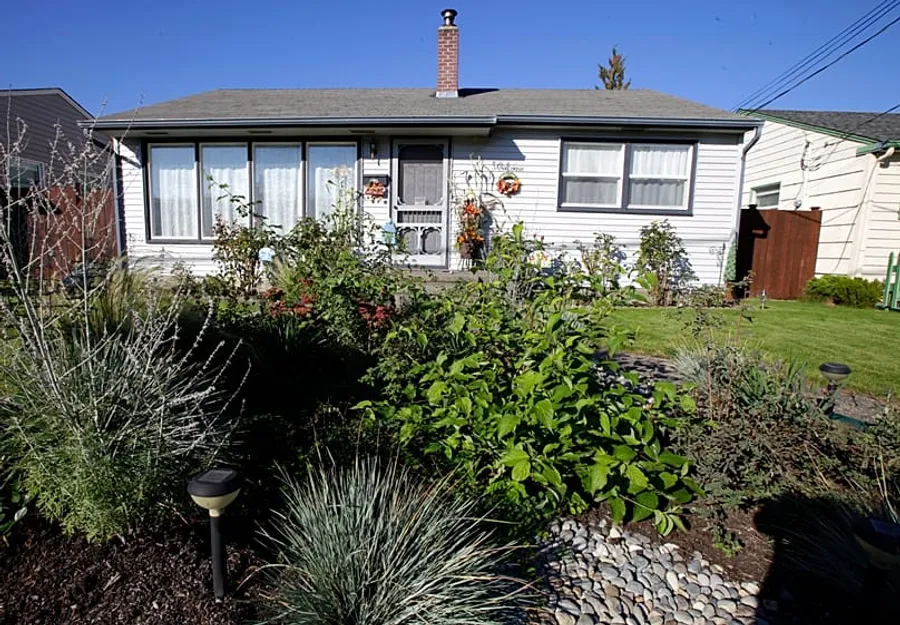
Native plants make the magic happen because they're already adapted to your local climate. They need less maintenance, survive on rainwater alone after the first year, and provide homes for bees, butterflies, and birds. Plant the most water-loving species in the center where puddles form, and place moderately thirsty plants around the edges.
The Ripple Effect
Rain gardens are catching on across neighborhoods as people realize one yard improvement can protect an entire street. When multiple homes install rain gardens, they reduce the flood burden on storm drains and prevent polluted runoff from reaching local waterways.
Montgomery County, Maryland has championed rain gardens for years, and communities from California to Washington have followed suit. The gardens work just as well in drought-prone regions, capturing every precious drop for plants instead of watching it vanish down drains.
After the first year of watering and weeding, your rain garden practically runs itself. You get a low-maintenance landscape feature that fights flooding, supports wildlife, and keeps pollutants out of your local ecosystem.
One small dip in your yard can stand between your basement and the next big storm.
More Images


Based on reporting by Euronews
This story was written by BrightWire based on verified news reports.
Play Today’s BrightWire Positive Mini Crossword & Word Game
Keep your mind sharp with our free 5-minute uplifting daily crossword and positivity word puzzle.
Spread the positivity!
Share this good news with someone who needs it