Rajasthan Gives 122,000 Childcare Workers Raise and Aid
Over 122,000 Anganwadi workers in Rajasthan just received uniform allowances and a 10% pay raise for their crucial work nurturing young children. The state is investing millions to support the women who run India's community childcare centers.
More than 122,000 childcare workers across Rajasthan received direct deposits of 1,000 rupees each this week to buy uniforms, marking the latest investment in the women who care for India's youngest citizens.
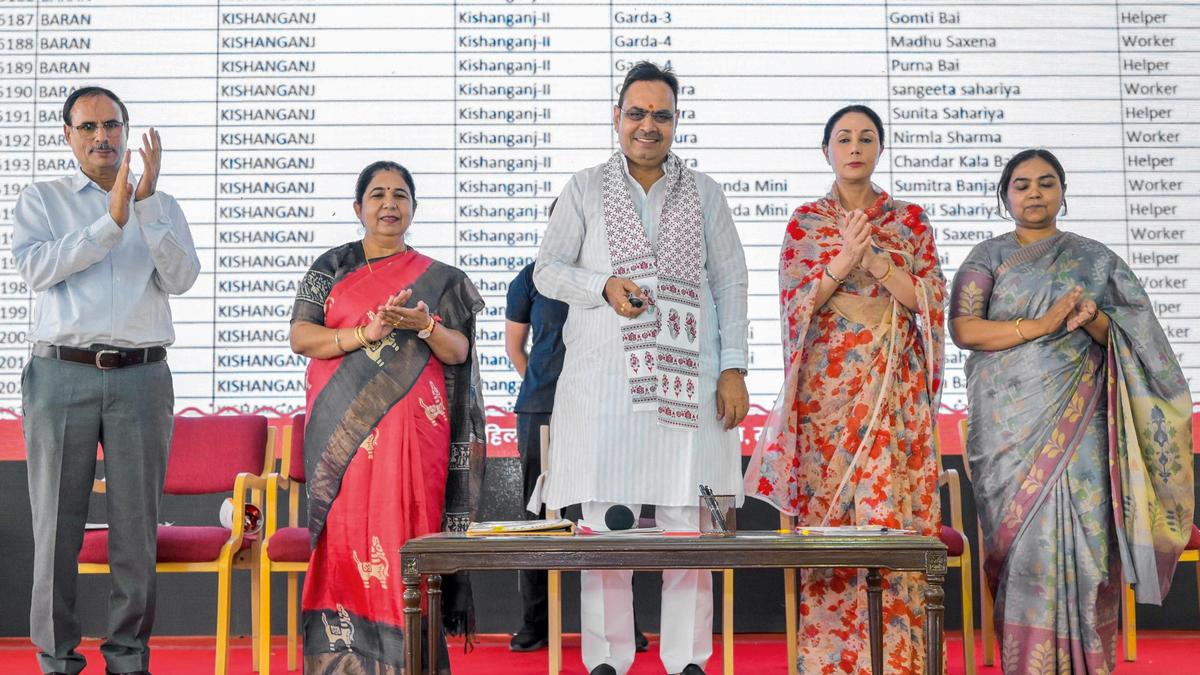
The workers, called Anganwadi staff, run community centers that provide meals, early education, and health services to children under six. Chief Minister Bhajan Lal Sharma announced the payments alongside a 10% raise in their monthly honorarium starting April 1.
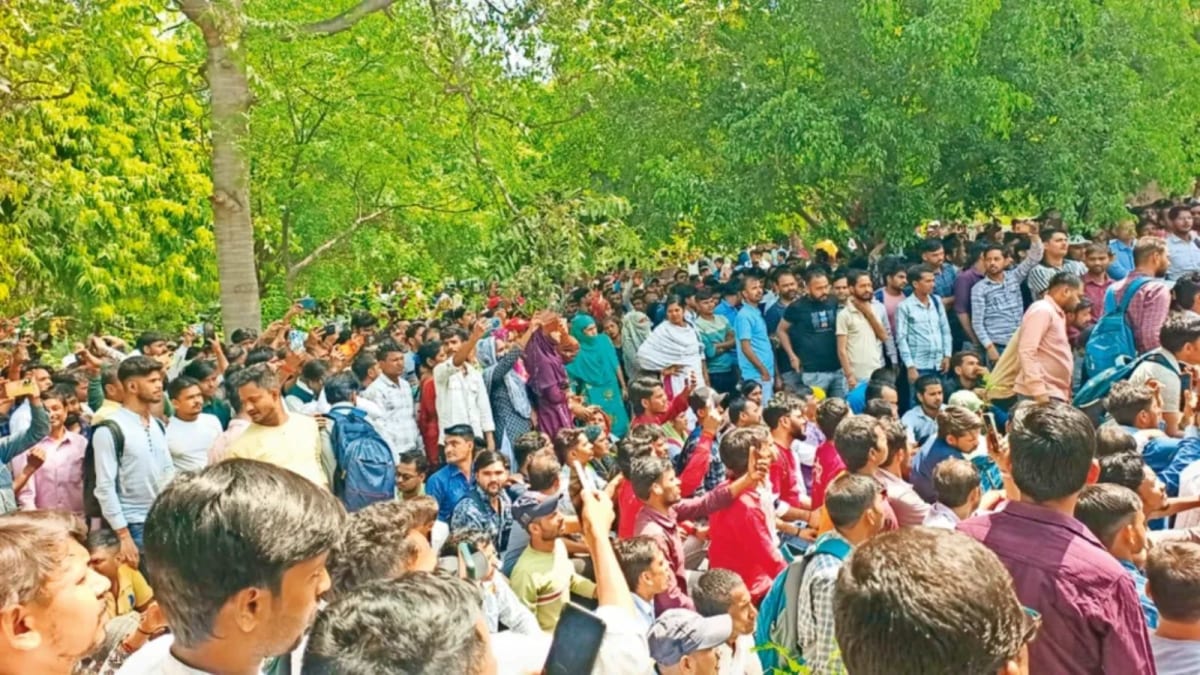
"Anganwadi workers are playing a crucial role in nation building by nurturing young children," Sharma said at Monday's ceremony attended by thousands of workers and helpers.
The centers serve some of India's most vulnerable children in both rural villages and urban neighborhoods. Workers provide hot meals, teach basic skills, and monitor health and nutrition for preschool-aged kids whose families might otherwise struggle to access these services.
The state government has poured resources into upgrading the program over the past two years. Centers now serve hot milk to children five days a week under a nutrition initiative. Buildings are getting renovated, and workers recently received smartphones to help them coordinate care and track children's progress.
The Ripple Effect
The investment reaches far beyond paychecks and uniforms. When Anganwadi workers have better resources and fair compensation, millions of children receive better care during their most crucial developmental years.
The raises benefit not just the 122,000 primary workers but also their helpers and midday meal cooks. These are often women from the same communities they serve, creating local employment while strengthening neighborhood support systems.
The smartphone distribution particularly matters in remote areas where workers previously struggled to report health concerns or access training. Now they can connect with supervisors, share updates on children who need extra support, and receive guidance instantly.
Sharma asked workers to contribute ideas to an ongoing village development campaign running through May 15. Their frontline perspective on what families actually need will help shape local development plans, ensuring solutions match real problems.
The program shows how supporting community workers creates multiple positive outcomes at once: better jobs for women, improved early childhood development, stronger nutrition, and communities where young families feel supported.
Based on reporting by The Hindu
This story was written by BrightWire based on verified news reports.
Spread the positivity!
Share this good news with someone who needs it