Rajasthan Villagers Beat 46°C Heat With Ancient Wisdom
In India's Thar Desert, families are thriving through extreme heat and water scarcity by reviving centuries-old cooling techniques. Their ingenuity is helping entire communities survive as temperatures soar past 46°C.
When temperatures hit 46 degrees Celsius in Rajasthan's Thar Desert, families aren't just surviving the scorching heat. They're beating it with traditional wisdom passed down through generations.
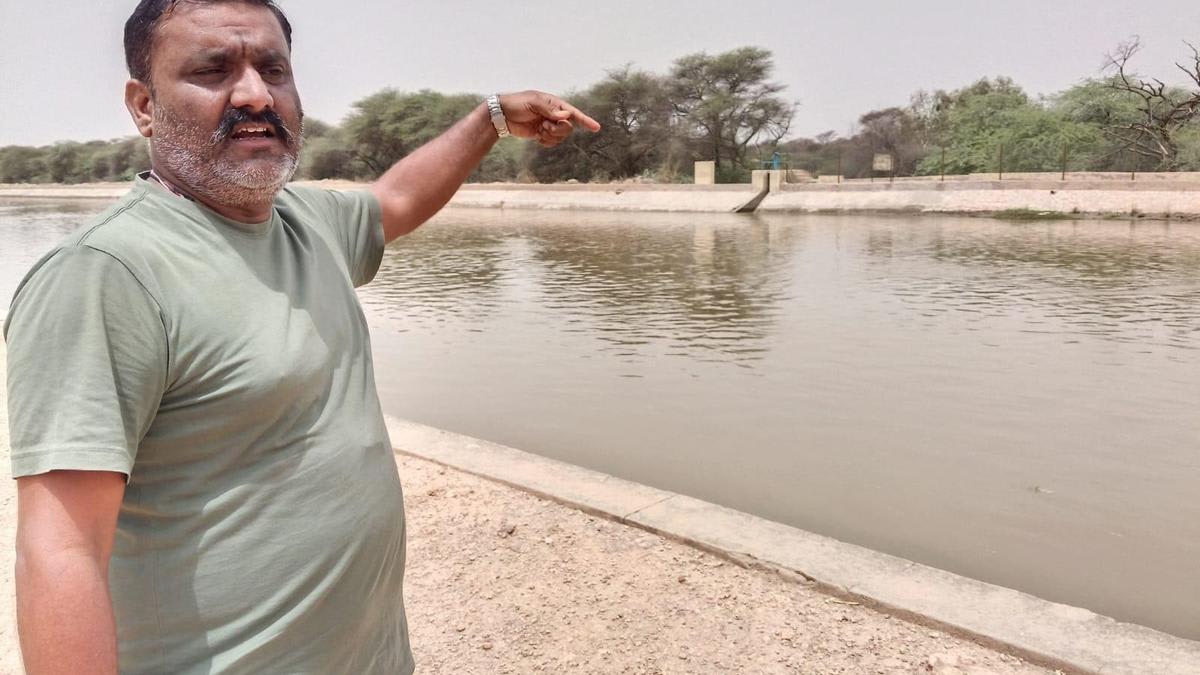
Villagers near Pugal in Bikaner district face an annual battle with extreme heat and limited water. The Indira Gandhi Canal, which carries Himalayan water across 256 kilometers of desert, is their lifeline for drinking water and crops like wheat, cotton and mustard.
This year brought extra challenges when the canal closed for 45 days of essential maintenance. The temporary shutdown affected drinking water, livestock, and farmers preparing to plant their kharif crops including groundnuts and cotton.
Eighteen-year-old Maroof Khan from Ramai village explained how his family adapted. Their home features a thatched roof that traps air for natural insulation, and when they sprinkle water on it, the interior temperature drops noticeably even during the hottest days.
Other homes use walls built from cow dung mixed with clay, which naturally blocks heat from entering. Farmers switched to drip irrigation systems that conserve precious water while keeping soil moist longer.
Agricultural worker Kailash Meghwal, 24, planted drought-resistant sorghum as cattle fodder on his small plot. The hardy crop thrives with minimal water, feeding his family's cow and six goats even during the worst heat.
The Ripple Effect
These individual adaptations are strengthening the entire region's resilience. Former village leader Siddharth Singh Bhati noted that canal water has raised the groundwater table, allowing farmers to dig wells and find good quality water at manageable depths.
The challenges also created unexpected opportunities. Demand for work under India's rural employment guarantee program increased, bringing jobs that helped villagers strengthen local infrastructure while earning steady income during agricultural downtime.
Block Development Officer Gopa Ram reported that workers across 97 villages are now covering open irrigation ditches with concrete structures. This work protects the water system while reducing the impact of farming difficulties on family incomes.
Now that water flow has resumed at 10,000 cubic feet per second, villages are prioritizing drinking water before turning to irrigation schedules. The combination of restored canal flow, traditional cooling methods, and community resilience is helping desert families thrive despite climate pressures.
These time-tested techniques prove that ancient wisdom still solves modern problems.
Based on reporting by The Hindu
This story was written by BrightWire based on verified news reports.
Spread the positivity!
Share this good news with someone who needs it