Rangers Ready to Save 40,000 Whales Migrating North
Specialist rescue teams are preparing to protect humpback whales during their annual migration along Australia's east coast. Nearly 100 entangled whales were rescued in NSW waters over the past two years.
As 40,000 humpback whales begin their journey north along Australia's coast, a dedicated team of rangers is ready to save lives in one of the ocean's most dangerous rescue operations.
The NSW National Parks and Wildlife Service has trained specialist teams to free whales trapped in fishing nets and ropes. While humpback populations have made a remarkable comeback in recent years, entanglements have risen too, with almost 100 whales needing rescue in NSW waters over the past two years alone.
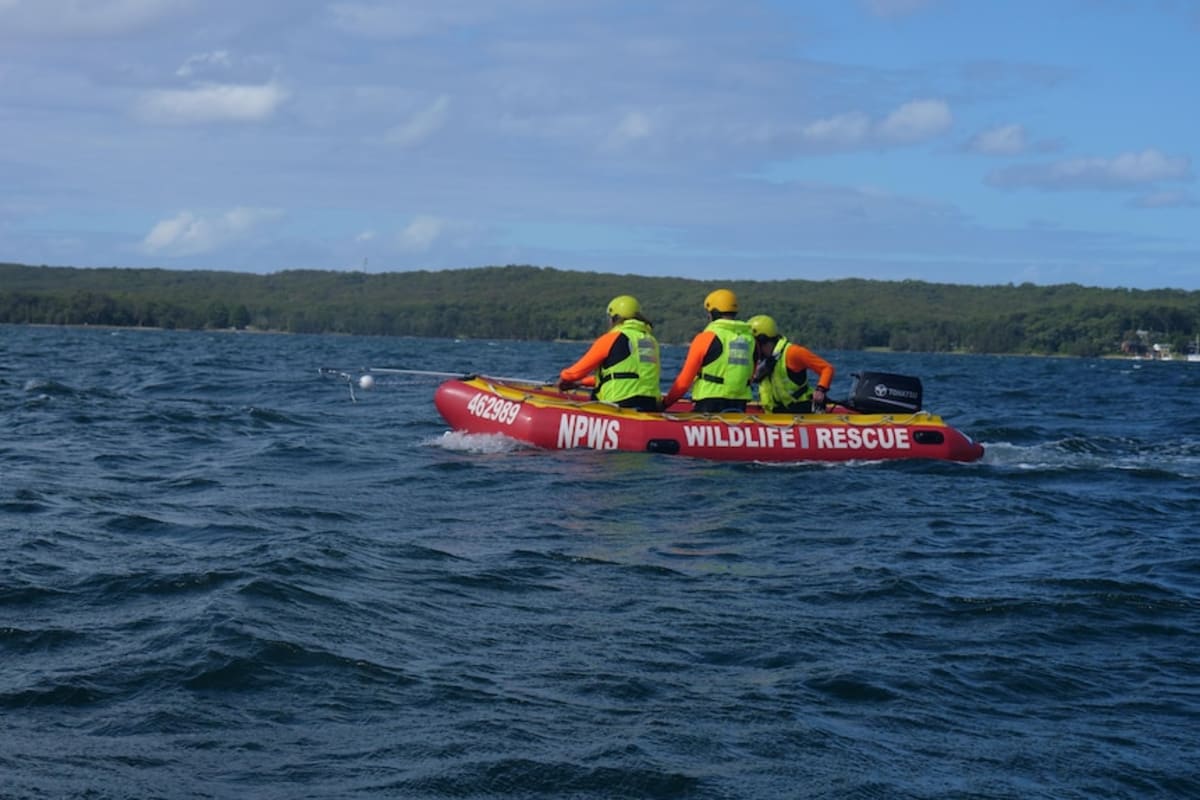
The rescue work is as dangerous as it sounds. Rangers approach stressed 40-tonne animals in small inflatable boats, using three-metre poles with sharp knives to cut through ropes wrapped around the whales. A single swipe from a whale's tail could be fatal.
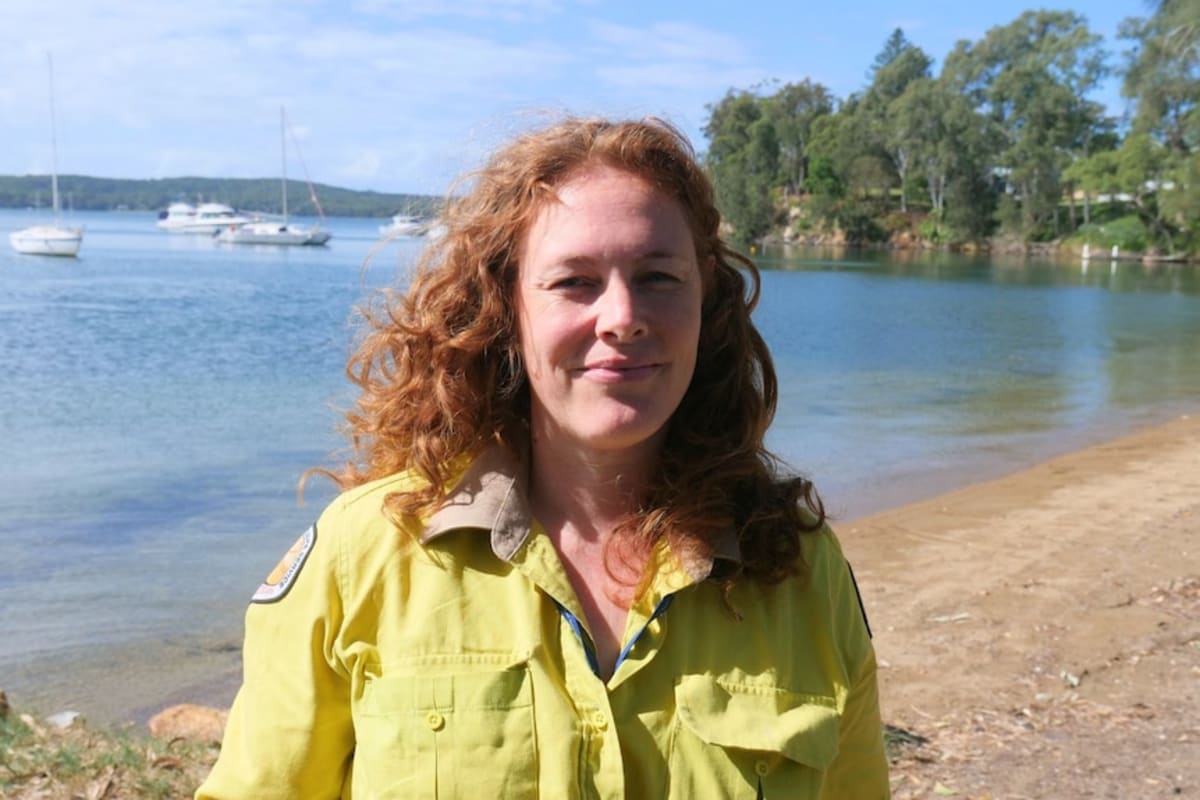
"You're in a very small boat, up very close to huge mother whales," said ranger Stacey Wilson, who has freed many entangled calves. "It's very scary, but you sort of have a sense that they end up deciding you're there to help."
Rangers recently practiced their skills on Lake Macquarie, simulating the precise cuts needed while being tossed by ocean waves. The training is critical because they have just seconds to slice through entangling ropes before conditions become too dangerous.
When whales can't be freed immediately, rangers attach large buoys to slow them down or use tracking devices to monitor them until safer conditions allow rescue. The work demands both courage and patience.
The Ripple Effect
The recovery of humpback whale populations stands as one of conservation's greatest success stories. Marine biologist Annie Post from ORRCA notes that increased whale numbers mean more opportunities for both wonder and risk as humans share waterways with these magnificent creatures.
The rescue teams work closely with community groups to monitor whale movements during migration season. Wilson describes the profound moments when freed whales communicate with their pods through songs that rescuers can hear underwater.
Public awareness makes a difference too. Researchers are asking boaters to secure fishing gear and remove abandoned nets that threaten marine life. While most entanglements are accidental, simple precautions can prevent whales from getting trapped.
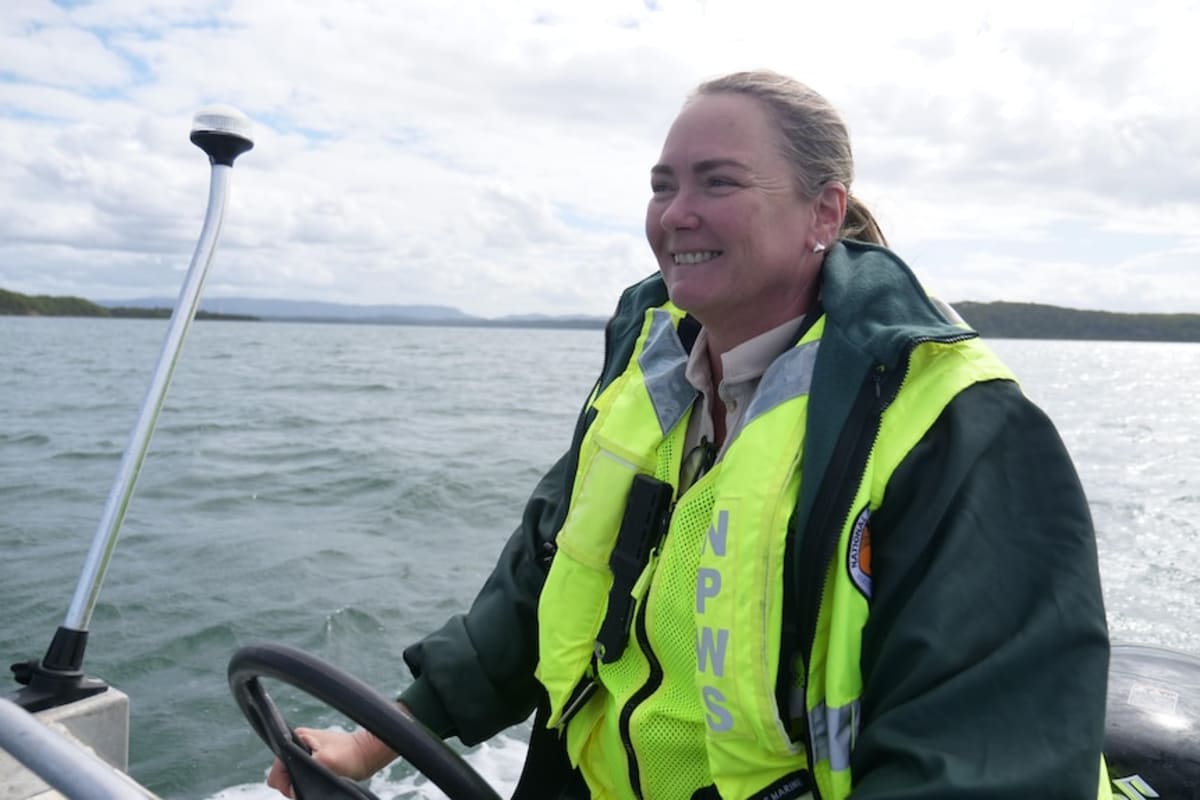
Team leader Nicola Booth reminds well-meaning community members to give rescue operations space rather than attempting their own interventions. Professional teams have the training and equipment to handle these delicate, high-risk rescues safely.
As migration season begins, these ranger teams stand ready to ensure that Australia's whale comeback story continues.
More Images

Based on reporting by ABC Australia
This story was written by BrightWire based on verified news reports.
Spread the positivity!
Share this good news with someone who needs it