Rangers Return to Protect Nigeria's Rarest Chimpanzees
After years of violence forced scientists to abandon Nigeria's largest park, local trackers stayed behind to protect endangered chimps. Now, 180 new rangers have returned, and camera traps are revealing chimpanzee groups no one knew existed.
When armed conflict forced scientists to flee Gashaka Gumti National Park in 2018, one man refused to leave. Maigari, a local tracker who grew up in the shadow of Nigeria's largest wilderness, kept walking into the forest to check on his friends: the world's rarest chimpanzees.
"It's our bush," says Maigari, who learned tracking from his hunter father. "If they want to kill me, they will kill me because the chimps are my friends."
For years, Gashaka Gumti served as West Africa's leading hub for studying the Nigeria-Cameroon chimpanzee, a subspecies so rare that only 3,500 to 9,000 individuals survive. But security threats emptied the park of researchers and rangers, leaving research stations to crumble and wildlife vulnerable to poachers.
Maigari and a handful of fellow field assistants kept going anyway. They tracked chimps without pay, patrolled without armed protection, and refused to let their work disappear. Once, they found poachers who had killed 24 monkeys and managed to arrest one despite having only machetes for defense.
"He does it even without money involved, without payment," says conservationist Elisha Emmanuel, who worked alongside Maigari. "It became more or less like a lifestyle to him."
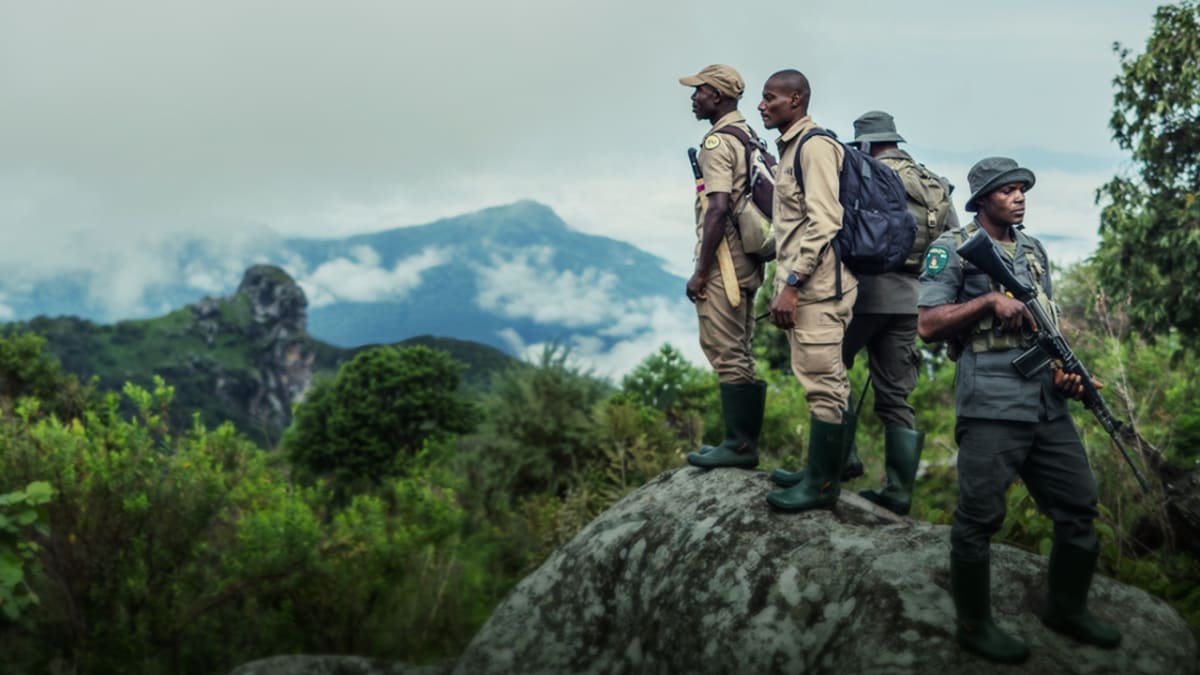
Their dedication kept hope alive until 2018, when the Nigerian government signed an agreement with the Africa Nature Investors Foundation to co-manage the park. Since then, more than 180 rangers have been hired and trained with proper equipment, finally giving Maigari backup.
Now, research is roaring back. Using a newly acquired helicopter, scientists have deployed camera traps across the 600,000-hectare park, reaching remote ridges and forest basins that remained off-limits for years.
Why This Inspires
The early results reveal what Maigari's persistence helped preserve: previously unknown chimpanzee groups, including mothers carrying infants. These discoveries suggest Gashaka Gumti may hold one of the subspecies' most important remaining populations.
Research stations are being rebuilt. New monitoring programs are launching. A park that nearly disappeared is becoming a conservation center again, thanks to local people who refused to give up.
"The presence of Maigari and the other field assistants really gave the park hope of existing again," Emmanuel says. "I celebrate them as heroes."
The forest, and its rarest residents, have their guardians back.
More Images


Based on reporting by Mongabay
This story was written by BrightWire based on verified news reports.
Spread the positivity!
Share this good news with someone who needs it