Rapper Becomes Nepal's Next Prime Minister After Gen Z Win
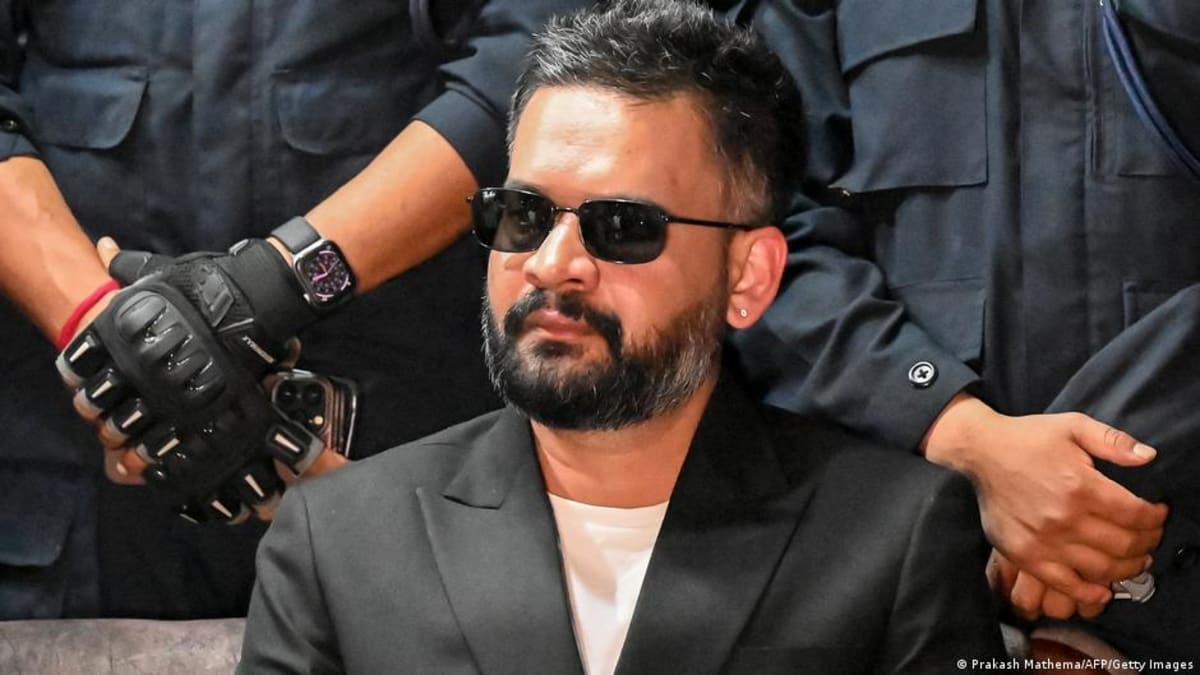
A rapper-turned-politician is set to become Nepal's next prime minister after his four-year-old party won a landslide victory. Balendra Shah's rise follows youth protests that toppled the previous government and energized a nation hungry for change.
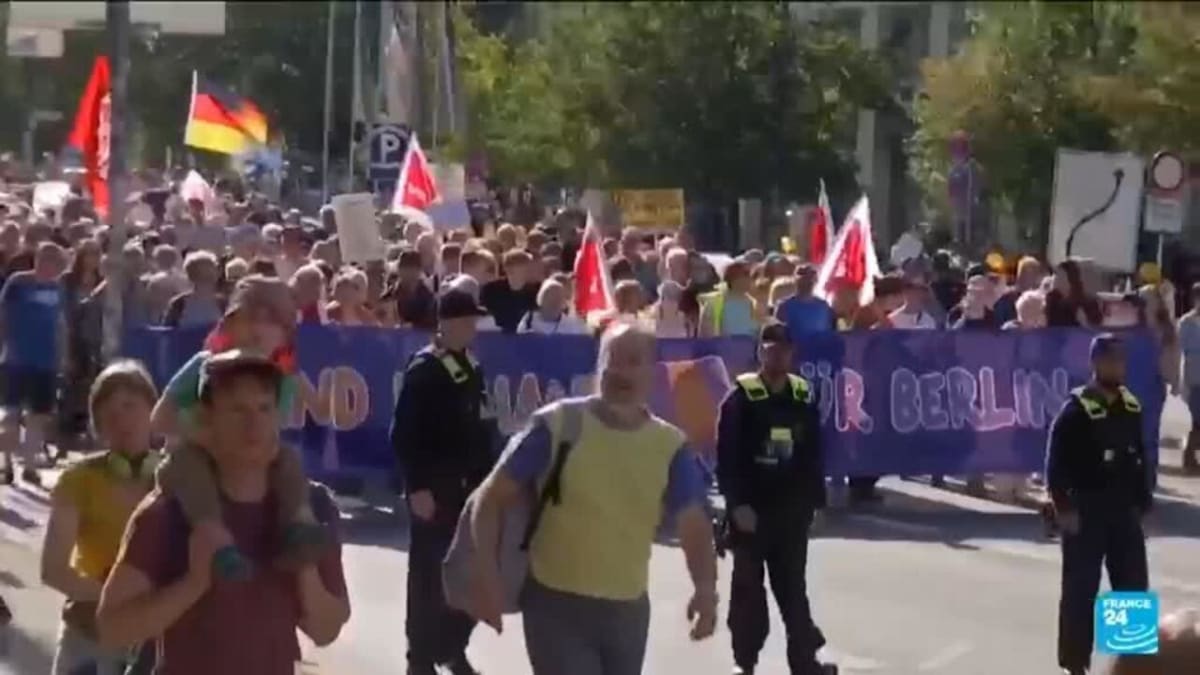
Six months after young protesters filled the streets of Kathmandu, the movement that began with a social media ban has delivered a stunning political transformation.
Balendra Shah, a rapper who traded the microphone for the campaign trail, is poised to lead Nepal after his party swept the parliamentary elections. His Rastriya Swatantra Party (RSP) captured 125 of 165 directly elected seats, crushing the political dynasties that have dominated the Himalayan nation for decades.
The victory carries special meaning in Shah's home district, where he defeated four-time prime minister KP Sharma Oli. The same leader whose government ordered the social media ban that sparked everything.
Those September protests cost at least 51 lives. What started as anger over social media access grew into something bigger: frustration with corruption and economic struggles that have weighed on Nepal for years. Tens of thousands of mostly young Nepalis demanded change, and they kept marching until Oli's government fell.
The RSP didn't even exist four years ago. Now it has demolished both the long-ruling Nepali Congress and the Communist Party, reshaping Nepal's political landscape in a single election. After Oli's removal, Nepal got its first female head of government when former Supreme Court Chief Justice Sushila Karki stepped in as interim prime minister.
India's Prime Minister Narendra Modi has already called to congratulate both Shah and RSP chairman Rabi Lamichhane. The neighboring allies share open borders, and Modi expressed confidence that relations will strengthen under the new leadership.
The Ripple Effect
This election sends a powerful message across South Asia and beyond. Young people demanding accountability didn't just protest, they built an alternative and won at the ballot box. Shah's journey from artist to prime minister shows what happens when frustration transforms into organized political power.
Nepal's Gen Z proved that rejecting the old guard isn't enough. They backed a new party, showed up to vote, and delivered the landslide that traditional politicians thought impossible.
Final results will arrive later this week as Nepal allocates its remaining 110 proportional representation seats, but the outcome is clear: a new generation is taking charge.
More Images

Based on reporting by DW News
This story was written by BrightWire based on verified news reports.
Spread the positivity!
Share this good news with someone who needs it