Rare Albatross Flies 3,000 Miles From Galapagos to California
A critically endangered waved albatross shocked scientists when it appeared off the California coast, thousands of miles from its Galapagos home. The majestic seabird's unexpected journey has researchers wondering if it's a lone wanderer or a sign of changing ocean patterns.
Imagine spotting a bird that has no business being anywhere near you, yet there it is, gliding gracefully over the waves.
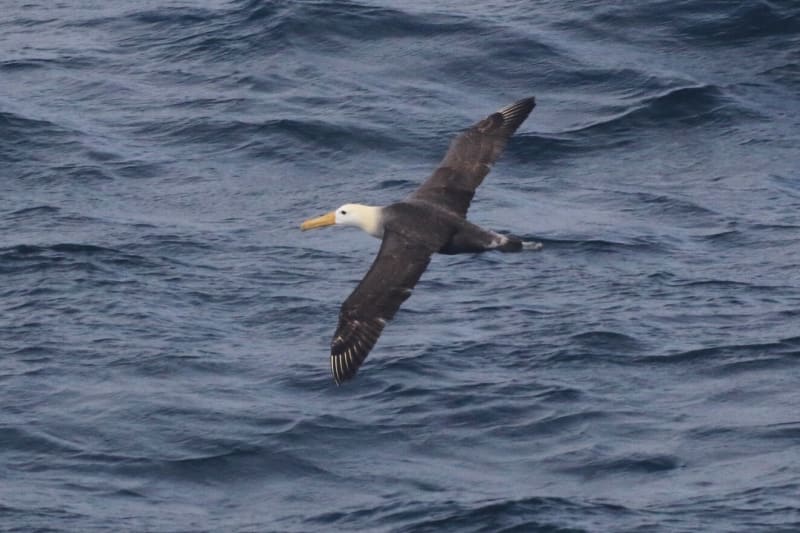
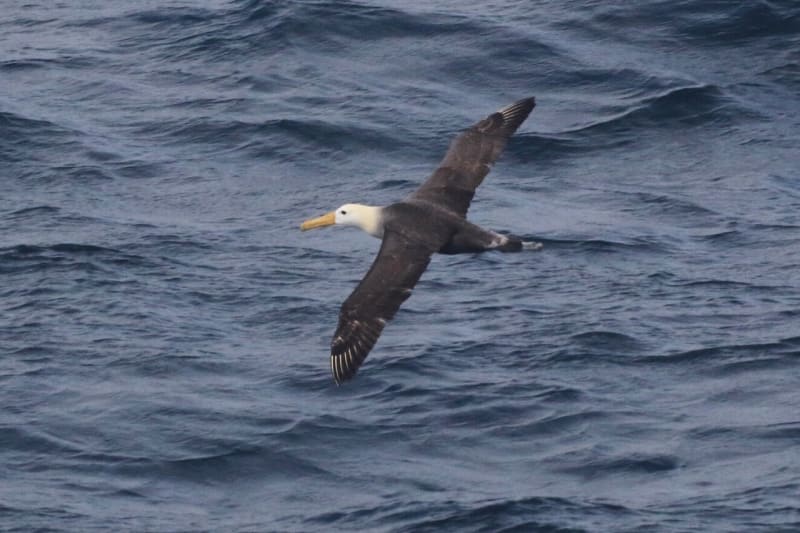
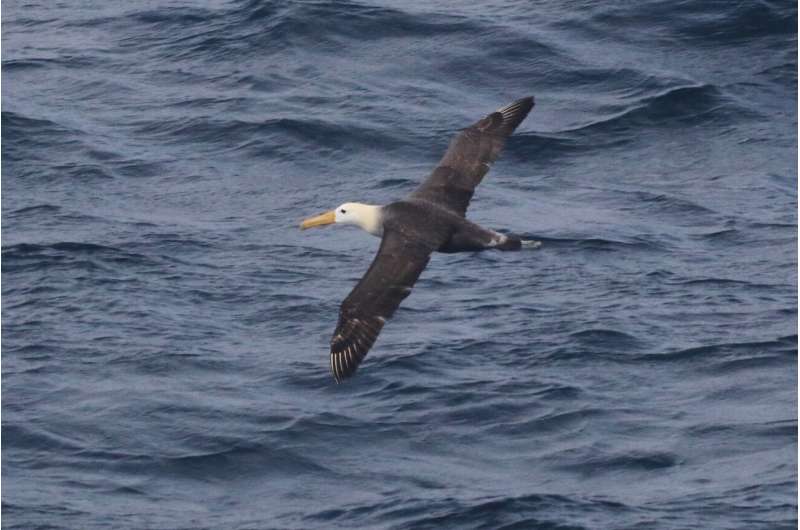
That's exactly what happened when marine ornithologist Tammy Russell looked out from her research vessel 23 miles off the California coast. A waved albatross, a critically endangered species that breeds exclusively in the Galapagos Islands, was soaring through the air about 3,000 miles from home.
"I can't even believe what I saw," Russell wrote on Facebook after the January sighting. "I'm still in shock."
The yellow-billed bird with its striking 8-foot wingspan represents only the second time this species has been recorded north of Central America. Russell, who works with the Farallon Institute and UC San Diego's Scripps Institution of Oceanography, had actually spotted the same bird back in October, meaning this wanderer has been exploring California waters for months.
Scientists call these far-from-home travelers "vagrant" birds, and their journeys remain mysterious. This particular albatross could have been swept north by a storm, or it might simply have a more adventurous spirit than its relatives.
Russell suspects the bird skipped breeding season last year, giving it freedom to explore. "Perhaps it went wandering on its year off and will soon return to the Galapagos to be reunited with its mate for the next season?" she wondered.
Why This Inspires
This unexpected visitor reminds us that nature still holds beautiful mysteries. The albatross, which can live up to 45 years gliding over ocean waves and feeding on fish and squid, chose its own adventure far from the lava fields and scattered boulders where its species normally nests.
While experts like Cornell University's Marshall Iliff believe this is likely a "fluke accident" rather than a troubling environmental signal, Russell is keeping careful records. If more waved albatrosses start appearing in California waters, it could indicate shifting ocean conditions, similar to how five booby species have recently become common off California due to warming temperatures.
For now, though, this lone traveler offers something rare: a chance to marvel at the unexpected. The bird "doesn't seem to be in a hurry to get back south," Russell noted, giving more people the opportunity to witness this critically endangered species in an entirely new habitat.
Whether this albatross eventually returns home to its mate or continues its California exploration, its journey proves that even in our well-mapped world, wildlife can still surprise us with choices we never saw coming.
More Images


Based on reporting by Phys.org
This story was written by BrightWire based on verified news reports.
Spread the positivity!
Share this good news with someone who needs it