Rare Asteroid Visible to Naked Eye in 2029
On April 13, 2029, asteroid Apophis will pass closer to Earth than satellites orbit, creating a once-in-millennia stargazing event visible without telescopes across Europe, Africa, and Asia. Scientists are launching multiple missions to study this harmless space rock that will offer unprecedented insights into our solar system.
In five years, people across three continents will witness something that happens only once every few thousand years: a massive asteroid sailing past Earth close enough to see with just their eyes.
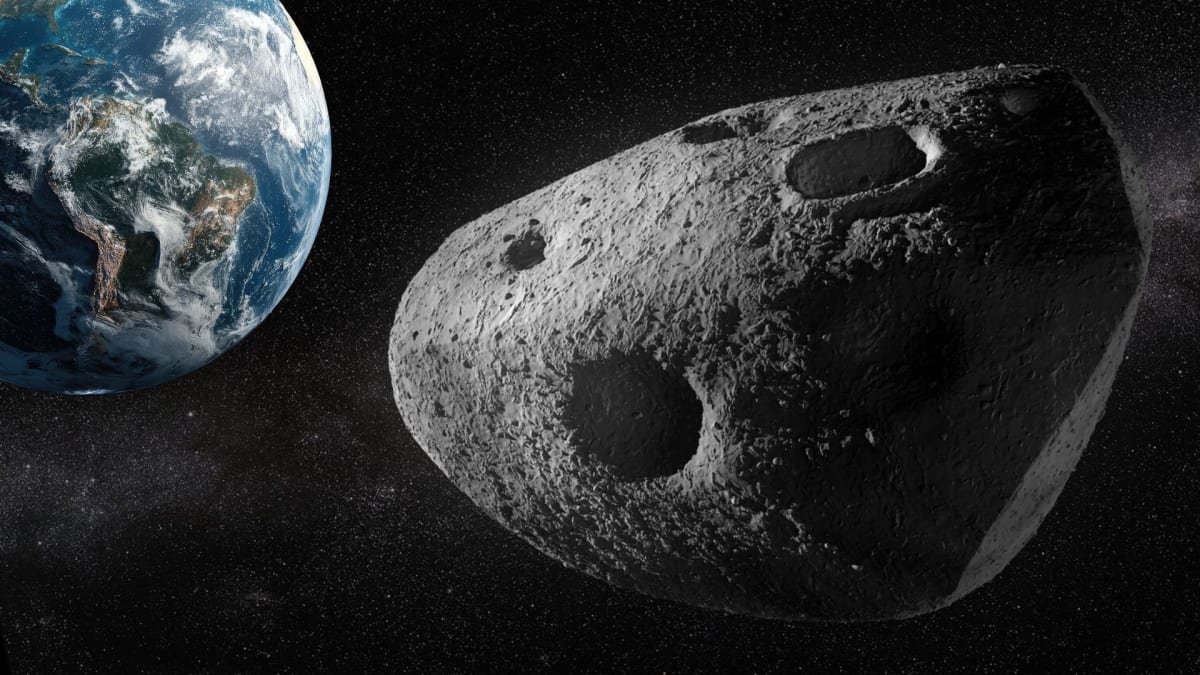
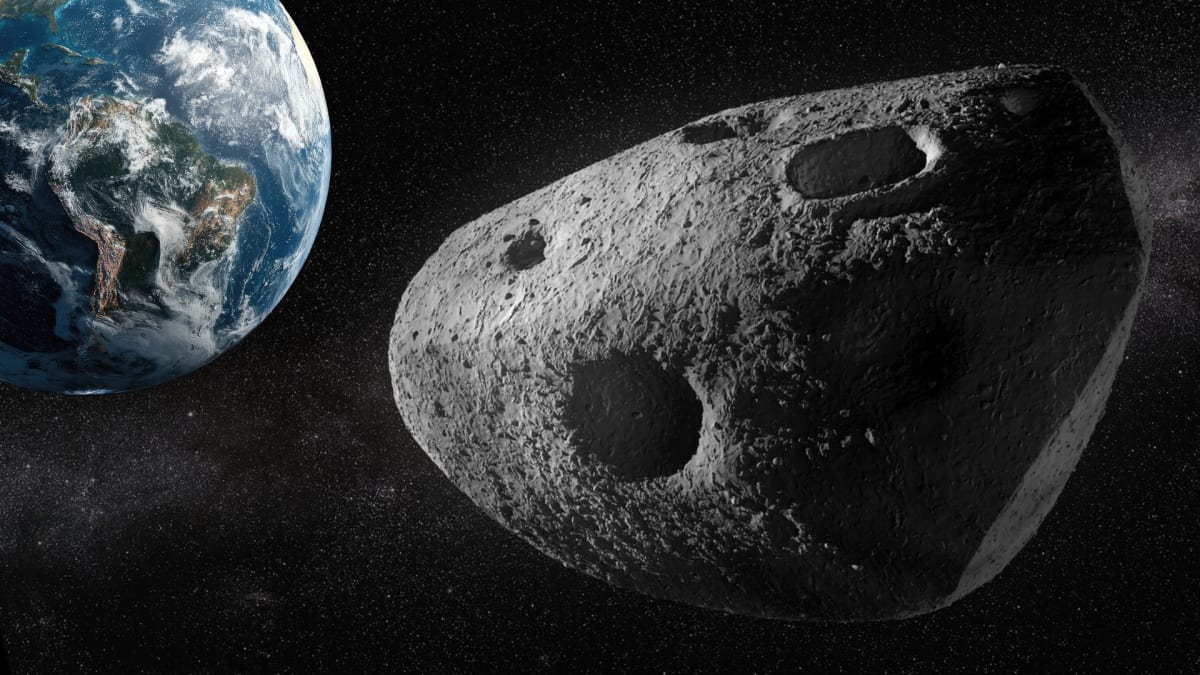
On April 13, 2029, asteroid Apophis will glide within 20,000 miles of our planet. That's closer than the satellites that beam our TV shows and internet connections.
The 1,230-foot-wide space rock will appear as a bright point of light moving across the night sky between the constellations Leo and Gemini. At its brightest moment around 4:30 p.m. EDT, it will shine bright enough for anyone in a dark location across Europe, Africa, and western Asia to spot it without any equipment.
Apophis earned its dramatic name (after the Egyptian god of chaos) when astronomers discovered it in 2004 and initially worried it might hit Earth. Better tracking quickly ruled out any collision risk for at least the next century, but the name stuck.
Now this close encounter offers something far better than fear: knowledge. Scientists will witness for the first time how Earth's gravity reshapes an asteroid in real time.
"The Apophis flyby will be an extraordinary event," says Nick Moskovitz, a planetary scientist at Lowell Observatory. Earth's gravitational pull will change how fast Apophis spins, shake its interior like an earthquake, and possibly trigger landslides on its surface.
Why This Inspires
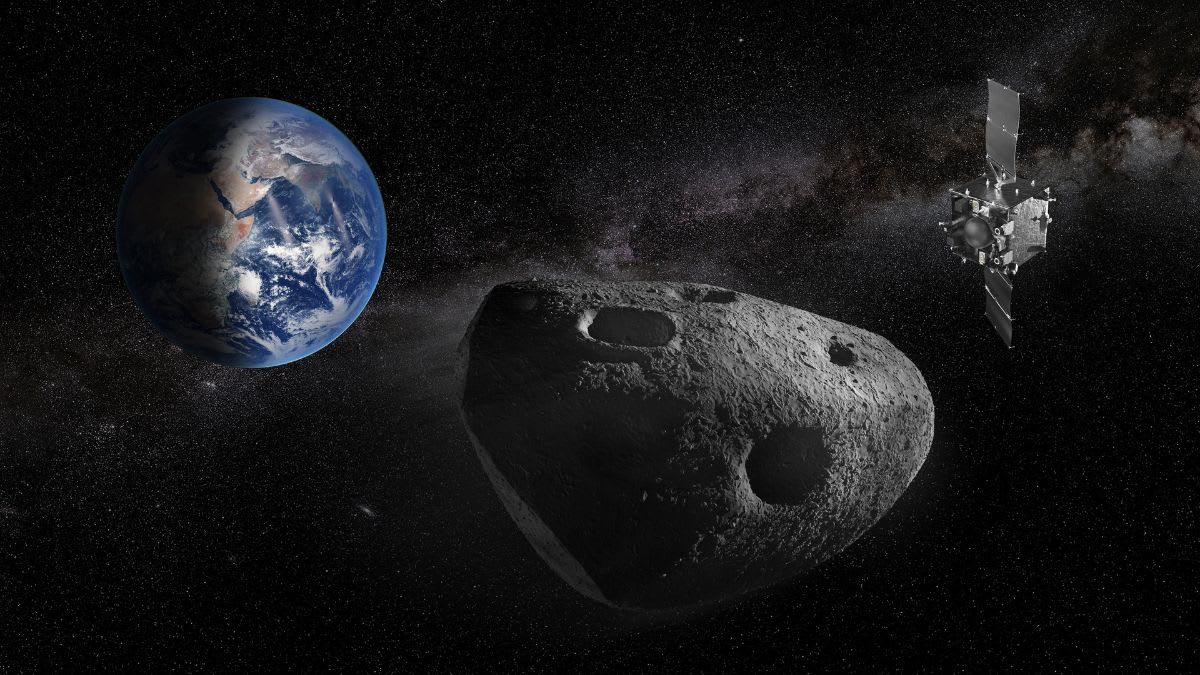
Three spacecraft missions are preparing to study this cosmic visitor up close. NASA's OSIRIS-APEX probe, fresh from collecting samples from another asteroid, will meet Apophis in June 2029 to document how Earth changed it.
The European Space Agency plans to launch its Ramses mission in 2028 to watch the transformation happen. A commercial mission called Apophis EX also aims to join the rendezvous.
For regular stargazers, the thrill will be simpler but equally remarkable. Most asteroids take hours or even whole nights to show visible movement against background stars, but Apophis will shift noticeably in just 5 to 10 minutes.
This wanderer has traveled through space for billions of years, older than Earth's continents and life itself. For one night, it will grace our sky as a reminder of the dynamic universe we inhabit.
Mark your calendars for April 13, 2029, and start planning your trip to a dark sky location in the right hemisphere. Some cosmic moments are worth traveling for.
More Images

Based on reporting by Space.com
This story was written by BrightWire based on verified news reports.
Spread the positivity!
Share this good news with someone who needs it