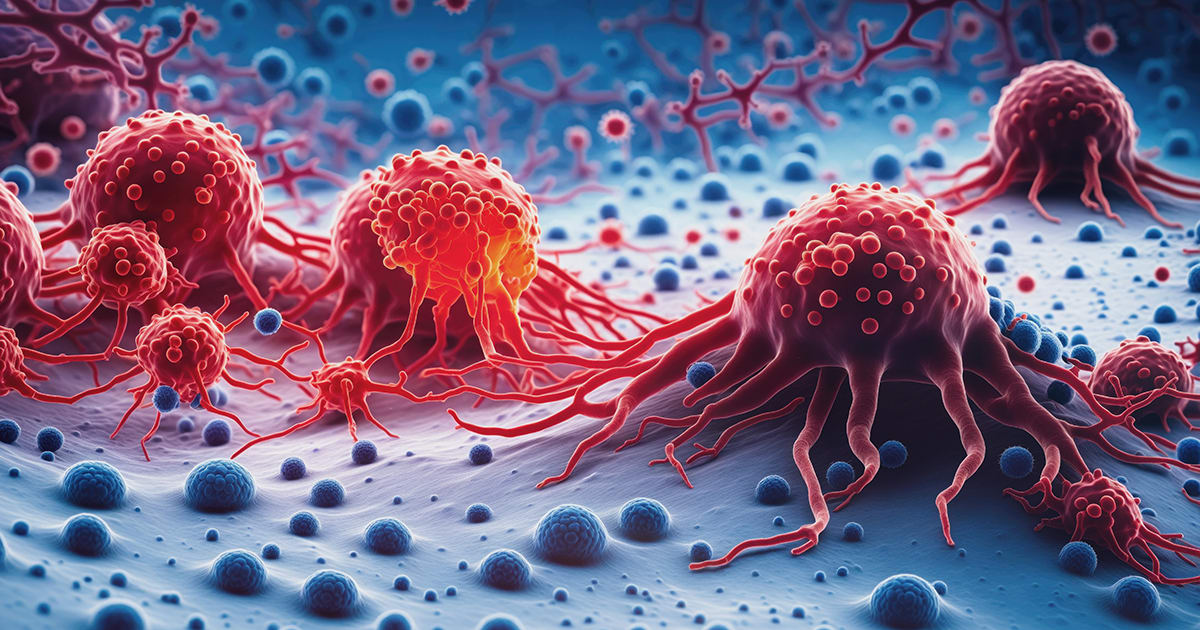
Rare Brain Tumor Study Opens Door to Personalized Treatment
Researchers at Children's National have discovered that a rare brain tumor previously thought to be one disease is actually three distinct types, each requiring different treatment. This breakthrough could help doctors tailor therapies to save more young lives.
Children with rare brain tumors just got a fighting chance at treatments designed specifically for them.
Researchers at Children's National Hospital have completed the largest study ever of astroblastoma, an ultra-rare brain tumor that has puzzled doctors for years. What they found changes everything: tumors grouped under one diagnosis are actually three completely different diseases, each with unique characteristics and outcomes.
The team analyzed data from 200 patients worldwide using cutting-edge molecular profiling techniques. This matters because astroblastoma is so rare that individual hospitals rarely see enough cases to understand how best to treat it.
The study revealed that these tumors don't just differ slightly. They have distinct molecular signatures, different biological behaviors, and respond differently to treatment. Some don't even contain the gene alteration doctors previously thought defined the disease.
Even more importantly, researchers identified specific biomarkers that signal which patients face higher risks. Losses in certain chromosome regions can now help doctors predict which children need more aggressive treatment and which might do well with gentler therapies.
Dr. Adriana Fonseca, who directs the Rare Brain Tumor Program at Children's National, leads an international registry collecting tumor samples and patient data from around the world. Her team is turning years of mysterious cases into actionable medical knowledge.
The Ripple Effect
This research does more than reclassify a rare tumor. It provides the scientific foundation for designing clinical trials that match treatments to each tumor's molecular fingerprint rather than using one-size-fits-all approaches.
The hospital is now preparing to launch SUPERNOVA-RBT, a clinical trial that will provide ultra-rapid molecular profiling for children with relapsed rare brain tumors. When a child's tumor returns, doctors will have hours instead of weeks to identify the specific genetic features and select personalized treatments.
For families facing a rare brain tumor diagnosis, better classification means better care. It means less toxic treatments for children who don't need aggressive therapy, and more targeted options for those who do. It means doctors making decisions based on what each specific tumor looks like at the molecular level.
The dataset represents decades of patient information finally assembled in one place. Other research teams studying rare pediatric brain tumors can now build on this foundation, accelerating discoveries that might help hundreds of children diagnosed each year with tumors nobody quite understood.
Every child with a rare diagnosis deserves treatment designed for their specific disease, not their general category.
More Images


Based on reporting by Google News - New Treatment
This story was written by BrightWire based on verified news reports.
Spread the positivity!
Share this good news with someone who needs it

%3Amax_bytes(150000)%3Astrip_icc()%3Afocal(999x0%3A1001x2)%2Fmichael-j-fox-1-16107b4a149a485e83a78fedd03d5096.jpg)