Rare Butterfly Thrives After Hedges Left Uncut in Wales
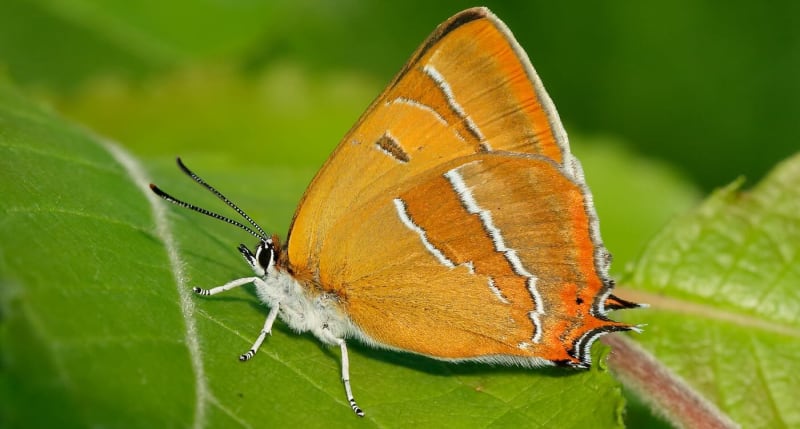
A rare butterfly is making a dramatic comeback in South Wales after landowners simply stopped trimming their hedges so often. Volunteers counted record numbers of Brown Hairstreak eggs this winter, marking a turning point after a decade of decline.
Sometimes the best thing we can do for nature is a whole lot less. After years of heartbreaking decline, rare Brown Hairstreak butterflies are bouncing back in Wales thanks to one simple change: letting hedges grow wild.
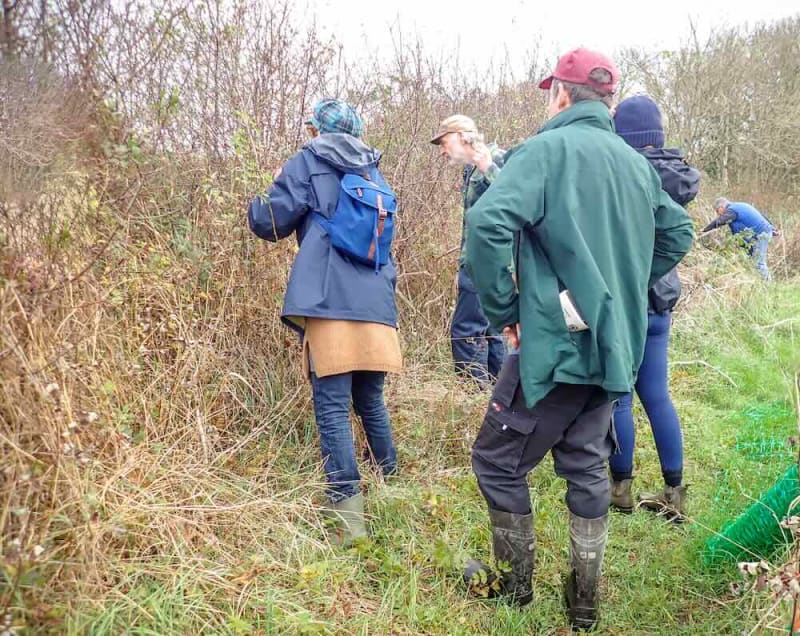
Volunteers with Butterfly Conservation counted record numbers of the tiny butterfly eggs this winter in Carmarthenshire's Tywi valley. The dramatic turnaround comes after two key partners agreed to cut back on their hedge trimming, giving blackthorn bushes room to sprout new growth.
The Brown Hairstreak once fluttered across the UK in healthy numbers. But the species nearly vanished from the region after 2010 because of a common farming practice called flailing, where landowners aggressively cut back hedgerows.
These butterflies are picky parents. They only lay their eggs on young green shoots of spiky blackthorn bushes, and annual trimming destroyed those shoots before the butterflies could use them.
Richard Smith has volunteered with Butterfly Conservation for more than 30 years. When his team discovered a small surviving population near Llandeilo in 2021, they partnered with the National Trust at Dinefwr and the South Wales Trunk Road Agency to protect the habitat.
Both organizations planted more blackthorn and stopped the annual flailing on their land. The results improved year after year, with this winter bringing a 50 percent increase in eggs on protected sites.
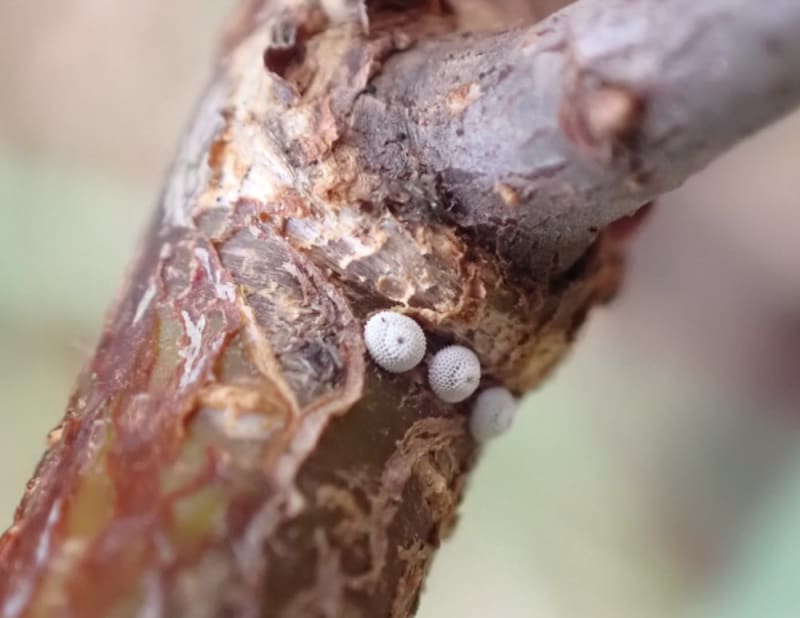
Armed with magnifying glasses, volunteers spent hours each winter hunting hedges for the tiny white eggs. Their patience and dedication finally paid off with record counts that signal real hope for the species.
The Ripple Effect
Letting hedges grow isn't just good for butterflies. Dan Hoare, Butterfly Conservation's Director of Nature Recovery, says trimming hedges every two or three years instead of annually could help many other species thrive while keeping hedgerows healthy for people too.
The lovely Brown Hairstreak serves as an indicator species, showing when humans have struck the right balance with nature. Small changes in land management can create big wins for wildlife, proving that sometimes doing less means achieving more.
More Images


Based on reporting by Good News Network
This story was written by BrightWire based on verified news reports.
Spread the positivity!
Share this good news with someone who needs it