Rare Caracal Returns to Indian Park After Decades
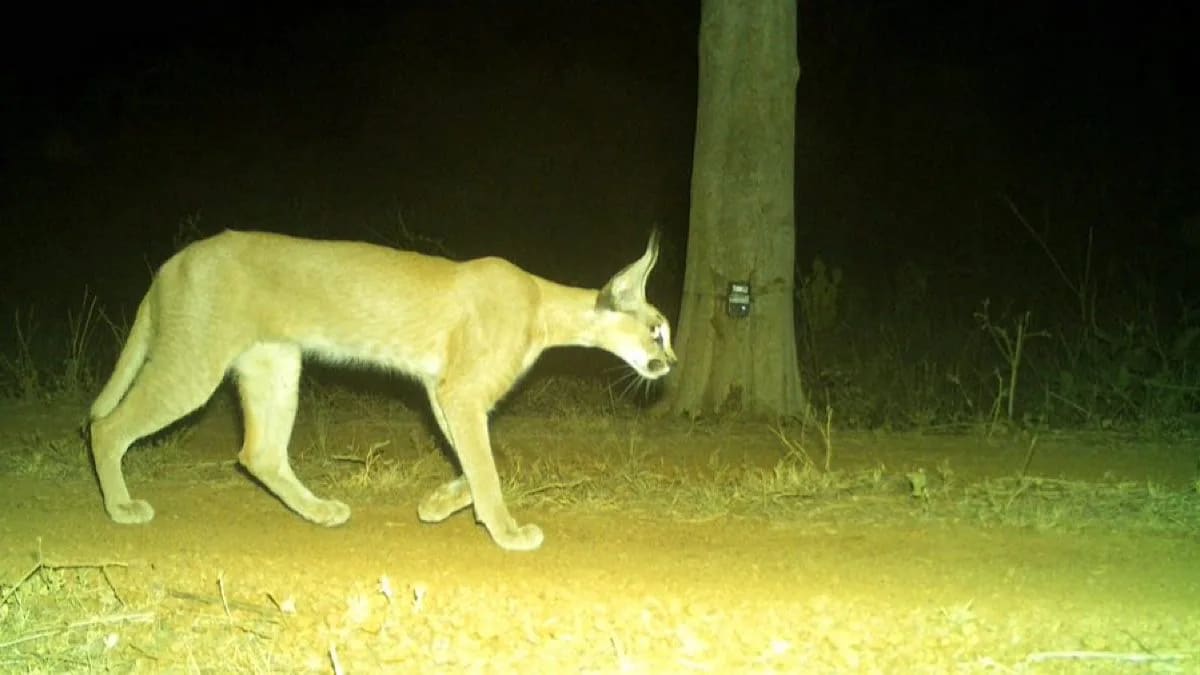
A caracal, one of India's rarest wild cats, has been photographed in Kuno National Park for the first time in decades. The sighting signals a major win for conservation efforts restoring the park's ecosystem.
Wildlife cameras in central India just captured proof that nature can bounce back when given the chance.
A caracal, a sleek wild cat with distinctive tufted ears, appeared in camera trap images at Kuno National Park in Madhya Pradesh after vanishing from the area for decades. The golden-furred predator had been absent so long that many feared it might never return to these forests.
The timing of the discovery carries extra meaning. State officials shared the photographs on World Environment Day, celebrating not just one cat's return but what it represents for the entire region.
Kuno National Park has been the center of ambitious wildlife restoration work in recent years. The park became internationally known as home to Project Cheetah, India's effort to reintroduce cheetahs to landscapes where they once thrived.
But the project's real goal runs deeper than bringing back a single species. Conservationists focused on rebuilding the entire ecosystem, creating conditions where many wildlife species could flourish again.
The caracal's return suggests that strategy is working. These medium-sized cats need healthy prey populations and safe territory to survive. Their presence indicates the whole food web is recovering.
The Ripple Effect
When one species returns, it tells a bigger story about habitat health. The caracal joins a growing list of wildlife thriving at Kuno, from deer and antelope providing prey to the predators that keep populations balanced.
The park now holds about 50 cheetahs, with cubs being born in the wild for the first time in decades. Female cheetahs have recently been released from protected enclosures into open forest, another sign of growing confidence in the ecosystem's strength.
Conservation teams used innovative approaches beyond just protecting animals. They worked to restore forest cover, manage water sources, and reduce human-wildlife conflict in surrounding areas. Local communities became partners in protecting wildlife rather than seeing conservation as a barrier to their needs.
The caracal's quiet return shows these efforts creating space for nature to heal itself. Camera traps will continue monitoring the elusive cat, but simply knowing it's back feels like permission to hope.
Kuno National Park is becoming a model for how dedicated conservation can revive landscapes that seemed beyond saving.
More Images




Based on reporting by Google News - Conservation Success
This story was written by BrightWire based on verified news reports.
Spread the positivity!
Share this good news with someone who needs it