Rare Deer Subspecies Thrives After Relocation in India
A deer subspecies once confined to a single reserve in India has successfully established a thriving breeding population in a new home. The effort proves conservation can reverse even the most precarious situations.
A rare deer subspecies teetering on the edge of existence has more than doubled its chances of survival, thanks to a bold conservation gamble in central India.
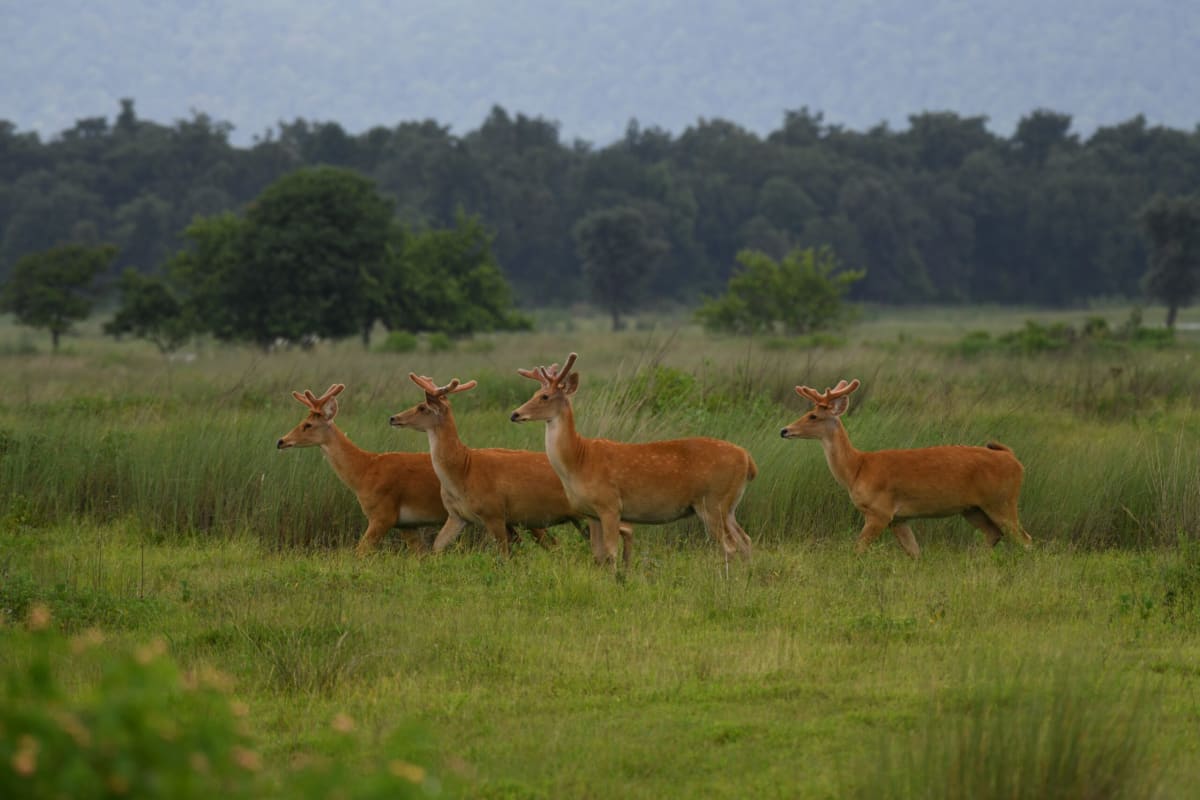
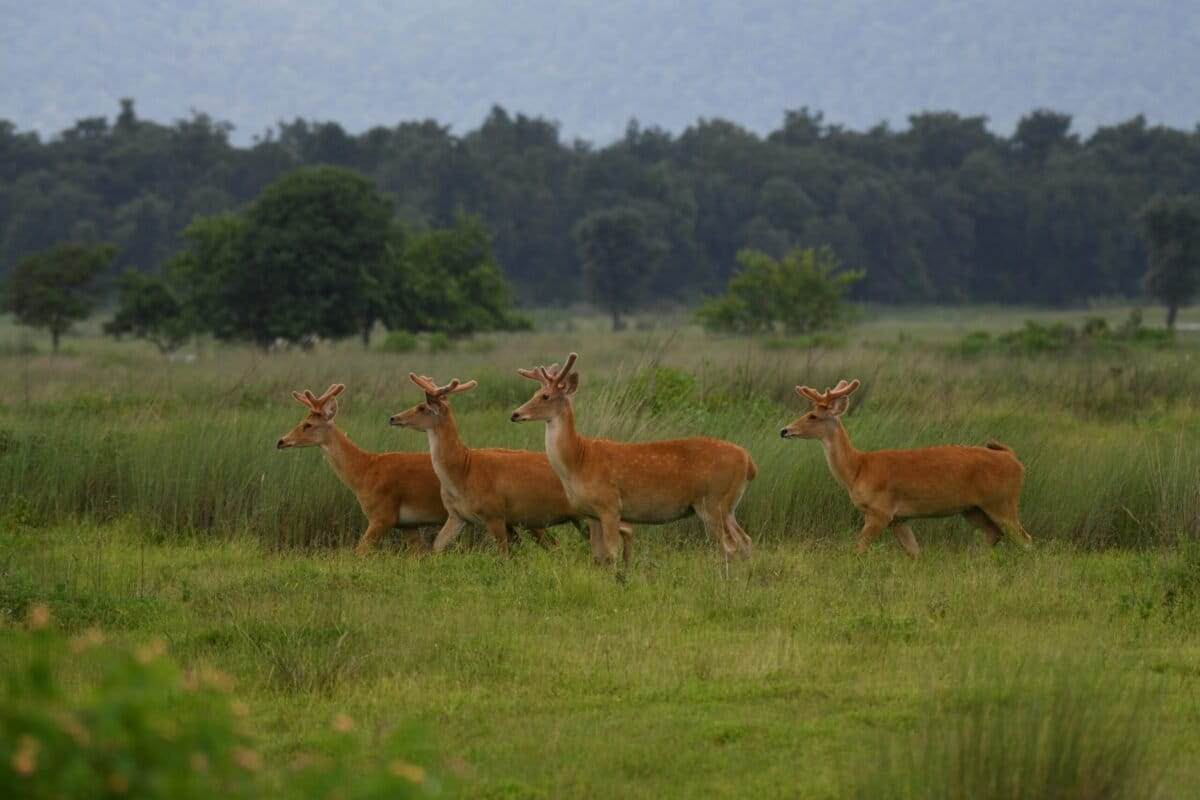
The hard-ground swamp deer, known locally as barasingha or "12-horned," was until recently confined entirely to Kanha Tiger Reserve in Madhya Pradesh state. With only 1,100 individuals in one location, a single disease outbreak or wildfire could have wiped out the entire subspecies.
Between 2015 and 2023, forest authorities relocated 98 deer to Satpura Tiger Reserve, about 200 miles away. The deer first spent time in a predator-proof enclosure to adjust to their new surroundings before venturing into open grasslands.
By 2023, the relocated population had grown to 172 individuals. Researchers documented fawns born each year, including second and third-generation deer, proving the animals weren't just surviving but genuinely thriving.
"Several independent indicators suggest the population is establishing rather than simply persisting with management support," said Neha Awasthi, a member of the IUCN Deer Specialist Group and study co-author.
The hard-ground swamp deer is unique among its kind as the only subspecies adapted to solid grassland rather than swampy terrain. Forest teams prepared Satpura carefully for their arrival, restoring grasslands and planting key food sources like black speargrass and wild sugarcane while removing invasive plants.
The Ripple Effect: The success has inspired expansion to a third location. Since 2023, another 48 deer were introduced to Bandhavgarh Tiger Reserve, where the population has already grown to 64 individuals.
"The swamp deer translocation programme in Madhya Pradesh is a landmark effort to secure the future of the species," said Anish Andheria, president of the Wildlife Conservation Trust.
What was once a single point of failure has become a three-point safety net, giving this unique subspecies a fighting chance against whatever challenges the future might bring.
More Images
Based on reporting by Mongabay
This story was written by BrightWire based on verified news reports.
Spread the positivity!
Share this good news with someone who needs it