Rare Monkey Gets Surgery, Gives Birth to Critically-Needed Baby
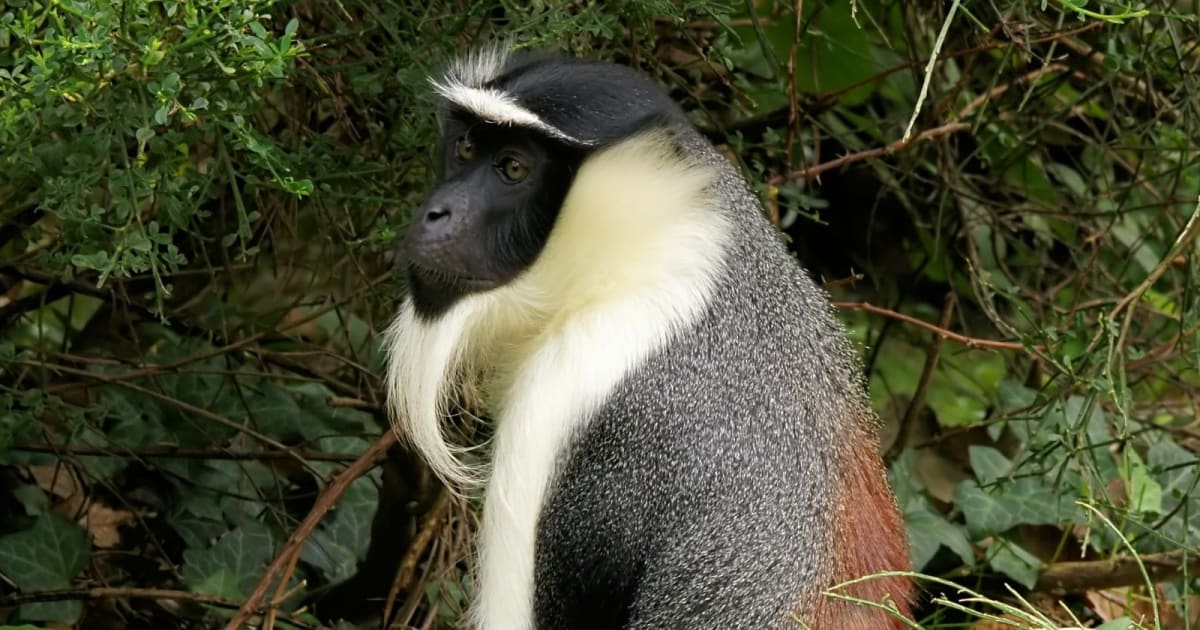
A critically-endangered Roloway monkey became the first of her species to undergo surgery in captivity, then weeks later gave birth to a baby that brings vital hope to her species. Only a few hundred of these primates remain in the wild.
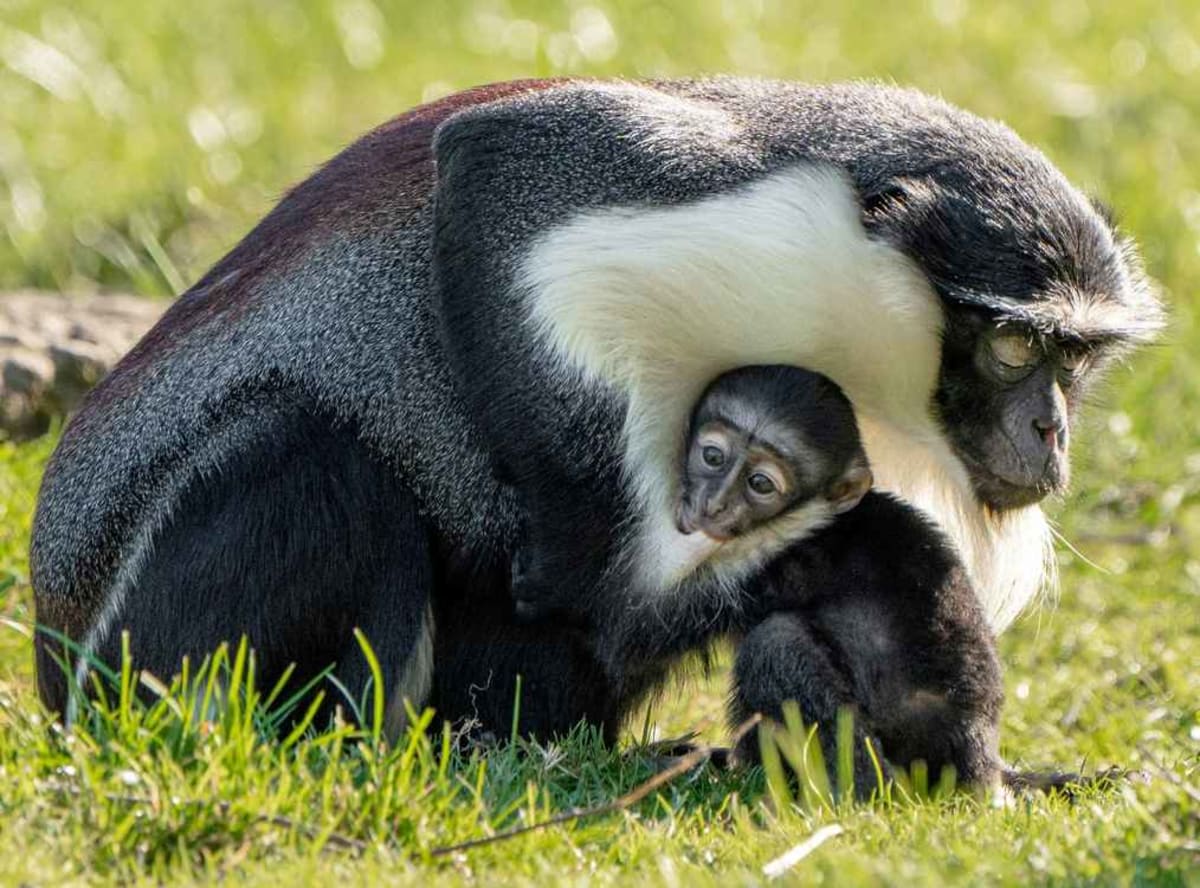
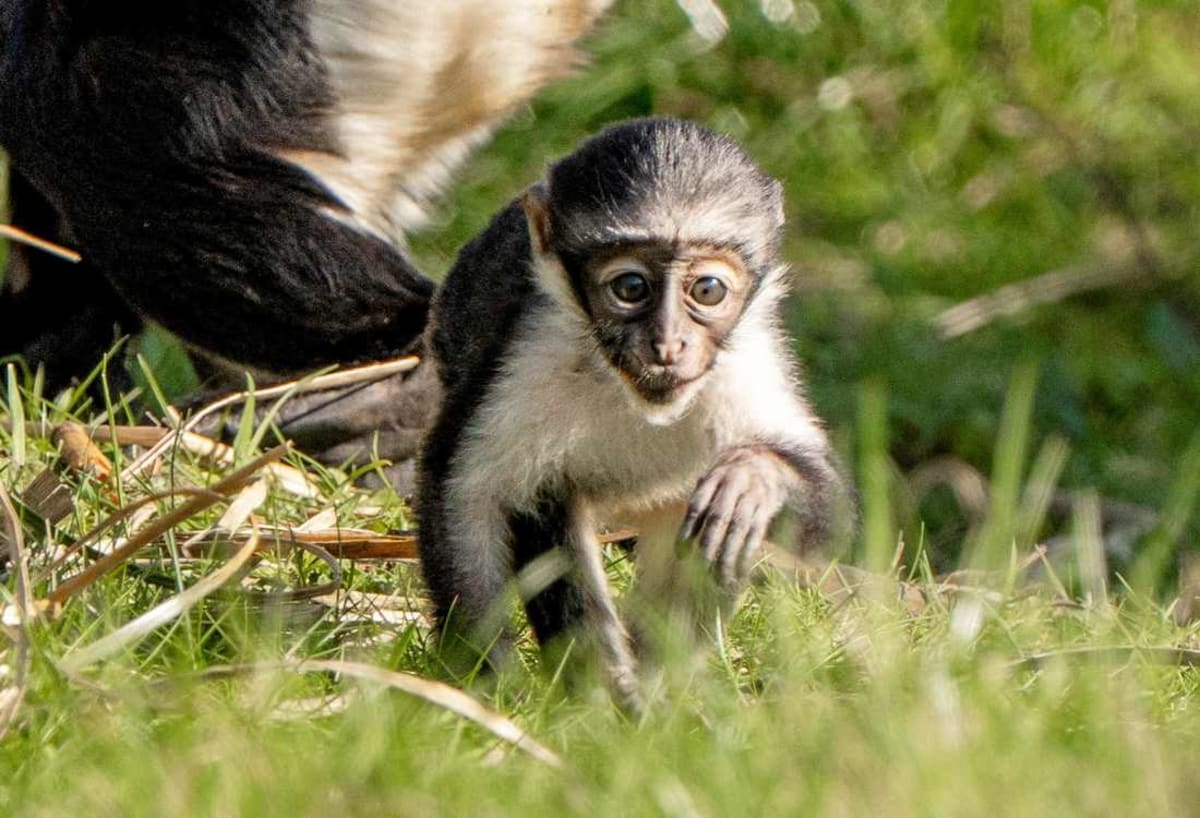
Masaya, a 15-year-old Roloway monkey at Chester Zoo, made history twice this year when she became the first of her species to have surgery in captivity and then gave birth to a healthy daughter named Lagertha.
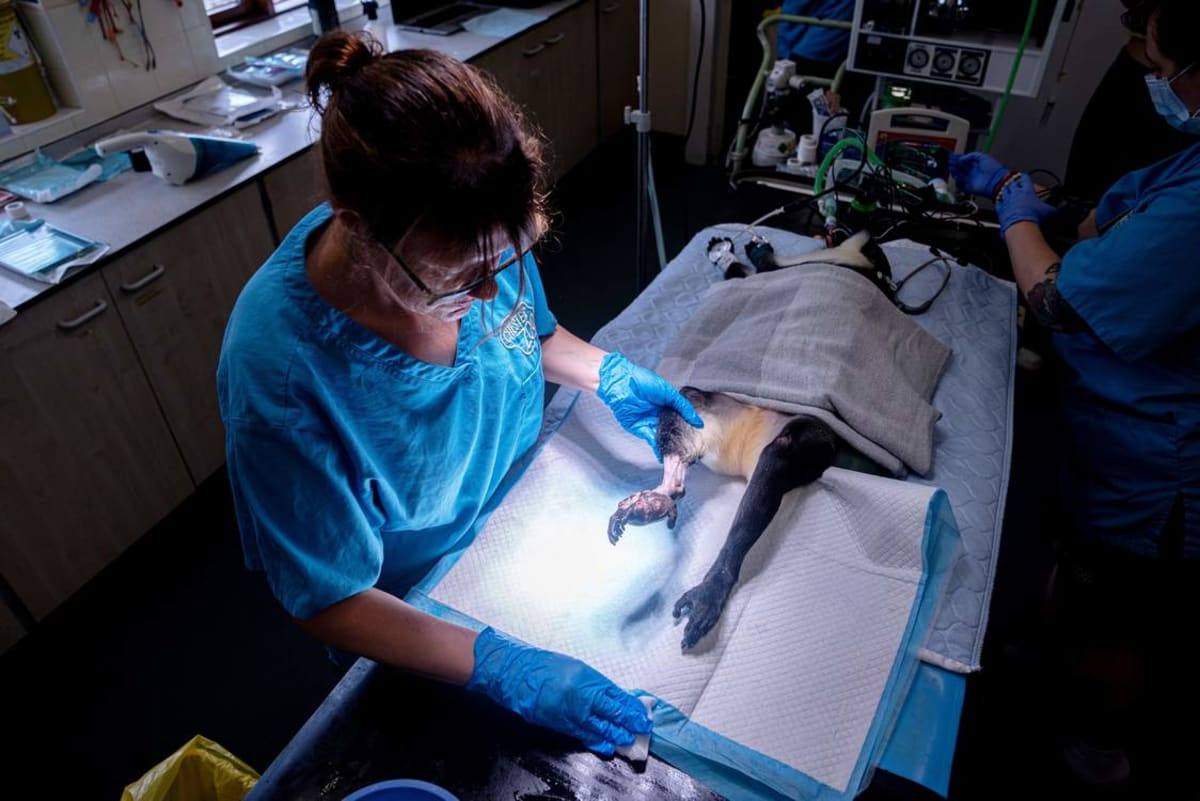
The groundbreaking procedure removed a golf ball-sized abscess from Masaya's foot at the University of Liverpool's Small Animal Teaching Hospital. Surgeons had to amputate one toe, but saved the rest of her foot, which proved crucial for her ability to care for her newborn.
"The fact Masaya's foot has healed so well is a huge relief," said Zoe Edwards, primate keeper at Chester Zoo. "If she'd had a full amputation, we'd have been left with real questions about whether she could hold her offspring or continue with her normal behaviors."
Masaya is now parenting magnificently, according to Edwards, holding and caring for Lagertha with ease. The baby is only the third Roloway monkey born in captivity at Chester Zoo since 2020, when they witnessed the first ever captive birth of this species.
These big-bodied monkeys once thrived in the lush rainforests of Ghana and the Ivory Coast. Today they survive only in isolated pockets of old-growth forest and are listed as critically endangered by the International Union for Conservation of Nature.
The Roloway monkey is now considered one of the most urgently threatened primates in the entire world. Hunting reduced their numbers so drastically that poachers now consider them too rare to pursue economically, giving them an unintended respite.
Only a few breeding females exist in European zoos, with just one other in England at Yorkshire Wildlife Park. Chester Zoo is one of only two locations in the entire UK where these primates can be found.
The Ripple Effect
Lagertha's birth represents more than just another baby monkey. She's a crucial addition to a breeding program working to keep her species alive while conservationists work to protect West African forests from logging and poaching.
The zoo's veterinary team took extraordinary measures to ensure Masaya could undergo surgery safely and recover in time for the birth. Charlotte Bentley, Veterinary Officer at the zoo's Animal Health Center, said taking Masaya for a CT scan at vet school was an unusual but necessary step.
The New England Primate Conservancy believes breeding programs like Chester's offer the best chance for Roloway monkey survival until their native habitats can be reliably protected. Each birth brings these magnificent primates one step further from extinction.
More Images
Based on reporting by Good News Network
This story was written by BrightWire based on verified news reports.
Spread the positivity!
Share this good news with someone who needs it