
Red Sea Corals Saved from Bleaching with Probiotics
Scientists successfully used beneficial bacteria to protect corals from bleaching during a 2022 Red Sea heat wave, marking the first time probiotics have worked in the wild. The breakthrough offers new hope for saving reefs as ocean temperatures rise.
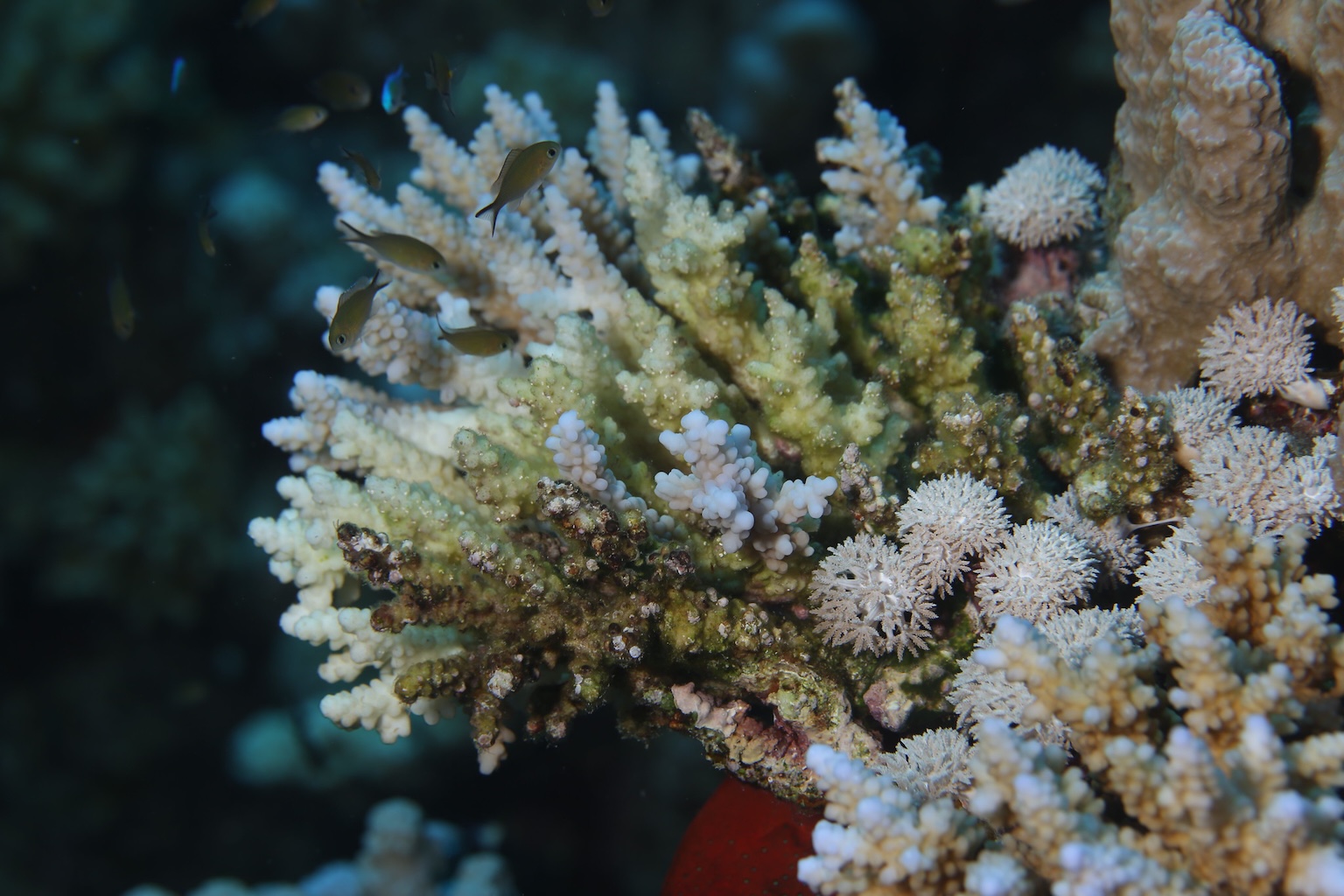
When a heat wave struck the Red Sea in 2022, one patch of coral did something remarkable: it stayed healthy while neighboring corals around it bleached and declined.
The secret? Scientists had treated these corals with probiotics, beneficial bacteria isolated from healthy corals nearby. For the first time ever, researchers proved that probiotics can protect corals from heat stress in their natural ocean environment, not just in laboratory tanks.
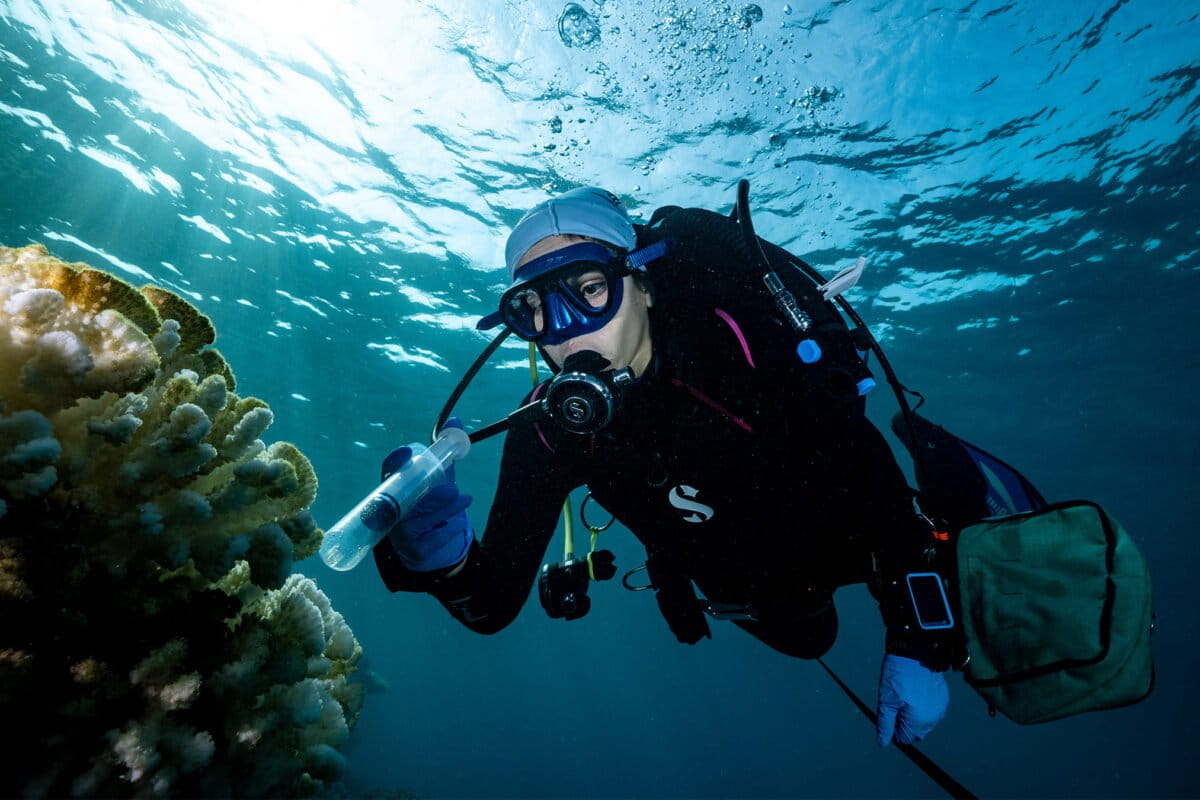
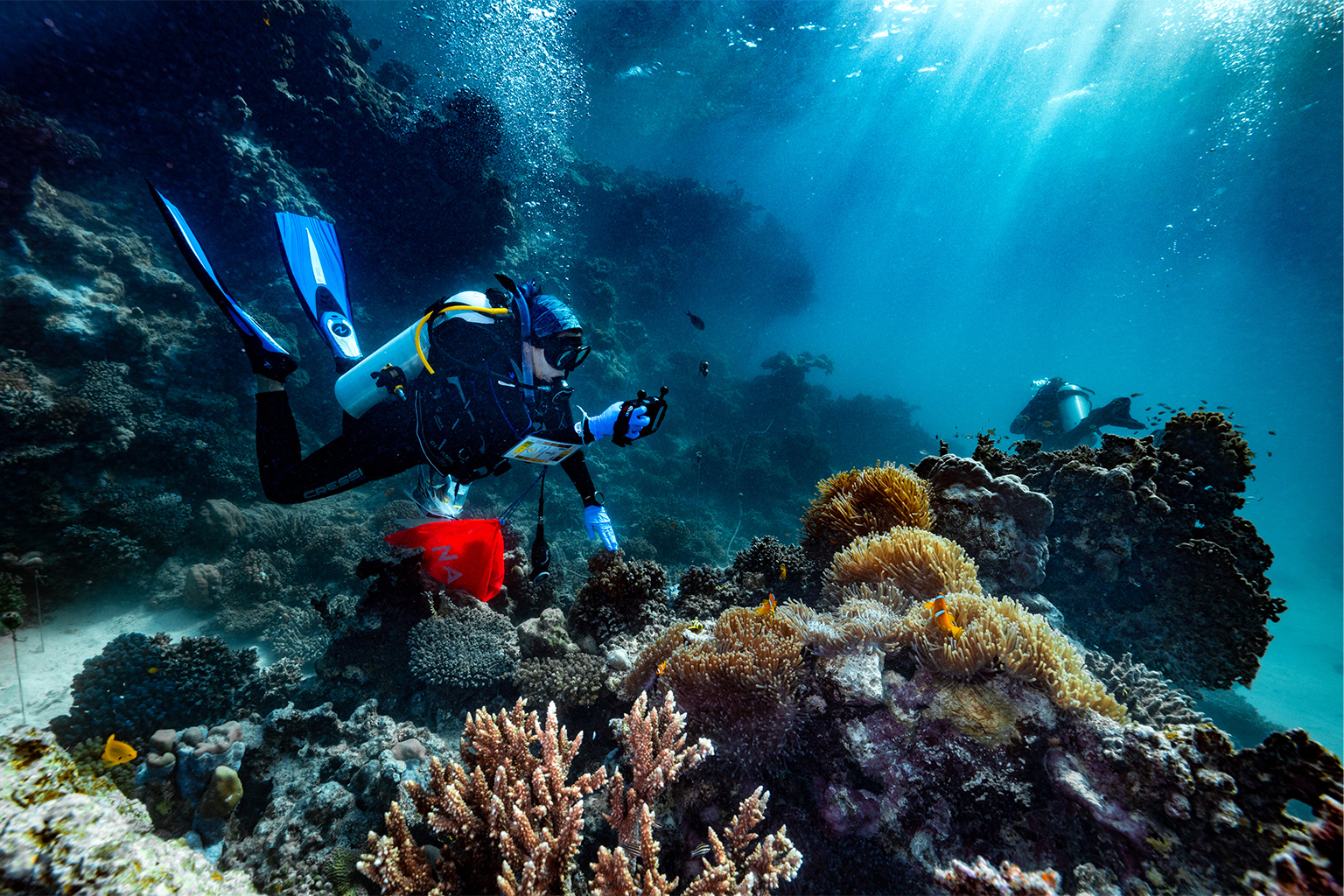
Marine scientist Raquel Peixoto and her team at King Abdullah University of Science and Technology in Saudi Arabia spent 15 days diving to their underwater lab 9 miles offshore. Using syringes, they administered bacterial treatments to corals eight times as water temperatures climbed to dangerous levels, about 2 degrees above normal summer averages.
The results were stunning. Treated corals maintained their vibrant color and health while untreated corals deteriorated. The probiotics worked by changing the coral's microbiome, increasing helpful bacteria like Cobetia that help corals resist heat while reducing harmful pathogens.
The team also discovered something equally exciting: heat-killed versions of the probiotics, called postbiotics, worked just as well. These postbiotics could be cheaper to produce and easier to store than live bacteria, making them more practical for large-scale reef protection.
This matters enormously because corals are in crisis. They provide homes for one-third of all marine species, yet are declining faster than ever. Scientists estimate that if global temperatures rise just 1.5 degrees Celsius, up to 90 percent of the world's corals could face severe degradation by 2100.
"It's one thing to do experiments in tanks," said Andrea Grottoli, a marine scientist at Ohio State University not involved in the study. "It's a whole other thing to demonstrate that on the reef." She called proving the treatments work in real ocean conditions "fantastic."
The Ripple Effect: This breakthrough opens doors for protecting vulnerable reefs worldwide. While probiotics won't solve climate change, they could buy precious time for corals to adapt and survive. Peixoto emphasizes that "corals can acclimate and adapt, but only if they are alive." Her team's underwater "Coral Probiotic Village" is now testing these treatments across different coral species, building knowledge that could help restore reefs globally.
The research, published in Cell Reports in September, showed that different probiotic combinations triggered different protective responses in corals. That means scientists may have multiple tools to help various coral species survive rising ocean temperatures.
More research is needed to see if the benefits last long term and work at larger scales. But for the first time, reef scientists have proof that manipulating coral microbiomes can help them weather the storms ahead.
More Images

Based on reporting by Mongabay
This story was written by BrightWire based on verified news reports.
Play Today’s BrightWire Positive Mini Crossword & Word Game
Keep your mind sharp with our free 5-minute uplifting daily crossword and positivity word puzzle.
Spread the positivity!
Share this good news with someone who needs it

