Regional Teams Help Madagascar Recover After Cyclone Gezani
After Tropical Cyclone Gezani devastated Madagascar's east coast, a regional emergency response team stepped in to help 400,000 affected people get back on their feet. Their successful mission shows how neighbors working together can turn disaster into recovery.
When Tropical Cyclone Gezani slammed into Madagascar's eastern coastline on February 10, 2026, it left over 400,000 people in crisis and communities across 18 districts struggling to survive.
The powerful cyclone brought flooding, landslides, and destruction that damaged homes, roads, bridges, and critical infrastructure across five regions. Tragically, 62 people lost their lives, with 15 still missing and over 800 injured.
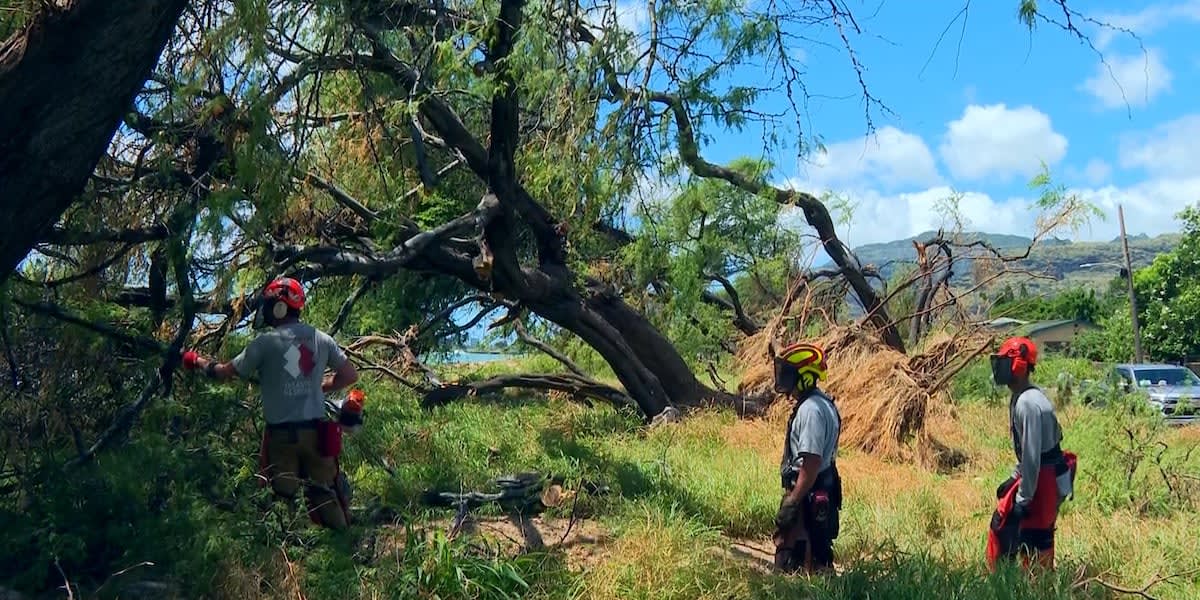
Within eight days, help arrived from an unexpected source. The Southern African Development Community deployed its Emergency Response Team to work alongside Madagascar's national disaster management authority. The team brought expertise in rapid assessments, search and rescue operations, and technical assistance to communities desperately needing support.
The collaboration worked. Over just ten days, the joint effort helped stabilize the crisis and kickstart early recovery across affected areas.
By the time the emergency team departed on February 28, critical services had resumed throughout the region. Health facilities reopened their doors. Electricity hummed back to life. Clean water flowed again. Food reached hungry families.
Madagascar's Environment Minister Michael Rafanomezantsoa Manesimanana thanked the regional partners for their timely intervention during the country's moment of greatest vulnerability. The partnership reinforced national efforts when extra hands and expertise made all the difference.
The Ripple Effect
This mission represents more than disaster response. It demonstrates how regional cooperation creates safety nets that catch communities when crisis strikes.
The response team didn't work alone. MapAction, Rescue South Africa, the United Nations humanitarian offices, and the World Food Programme all provided technical, financial, and logistical support. Multiple organizations coordinated seamlessly to maximize impact.
The partnership also activated access to a Regional Disaster Fund, ensuring Madagascar has resources for the longer recovery journey ahead. Team leaders emphasized the need for comprehensive assessment to guide reconstruction of schools, health centers, and roads while improving water systems and food security.
Madagascar now transitions from emergency response to structured recovery and resilience building. The country isn't facing this next phase alone either. Regional partners remain committed to supporting long term reconstruction efforts.
This successful deployment marks the first phase of humanitarian response, proving that when disasters strike, neighbors who show up together can help entire regions rise again.
Based on reporting by AllAfrica - Environment
This story was written by BrightWire based on verified news reports.
Spread the positivity!
Share this good news with someone who needs it