Relativity Space Partners with NASA for 2028 Mars Mission
A rocket startup is teaming up with NASA to launch cutting-edge weather instruments to Mars by 2028, potentially beating SpaceX to the Red Planet. The mission will give scientists their first complete daily view of Martian weather patterns.
Relativity Space just landed a partnership with NASA that could put them on Mars before SpaceX gets there.
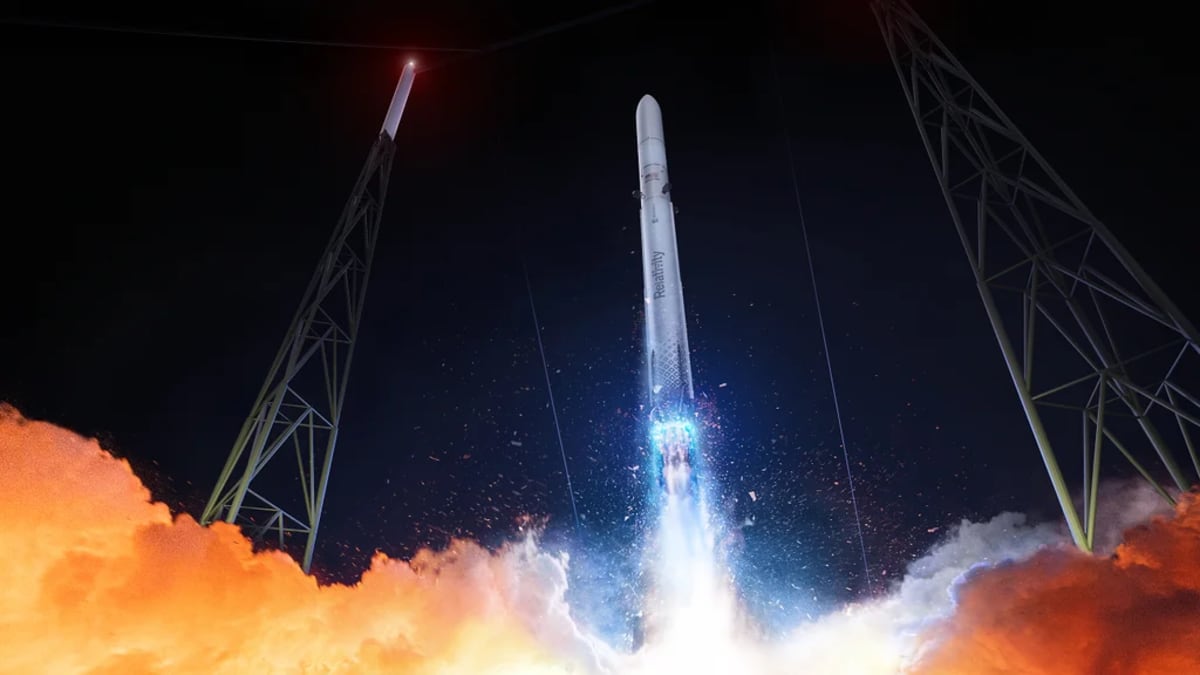
The California-based rocket company will build a spacecraft to carry specialized weather instruments to Mars in 2028. That's the same year SpaceX plans its own cargo missions to the Red Planet.
The mission centers on four Aeolus instruments that will orbit Mars and track winds, temperatures, dust storms, and cloud patterns. For the first time, scientists will get integrated, daily, global views of Martian weather instead of piecing together scattered observations.
This data matters for more than scientific curiosity. Better atmospheric models mean safer landings for both robotic and future human missions to Mars.
NASA's Ames Research Center is currently building the probes. By partnering with private companies like Relativity, NASA can focus on the science while sharing the costs and risks.
"By pairing NASA's world-class instruments with commercial innovation and investment, we can deliver more science, more often," said NASA Administrator Jared Isaacman. The approach cuts down the time it takes to get critical data to researchers planning future Mars missions.
The announcement marks a comeback for Relativity Space. Former Blue Origin and SpaceX engineers Tim Ellis and Jordan Noone founded the Long Beach company in 2015 with an ambitious goal: building lower-cost rockets using 3D printing technology.
The company went through a restructuring period recently, but this NASA partnership proves they're back in action. Their innovative manufacturing approach could make space missions more affordable and accessible.
The Ripple Effect
This mission represents a shift in how we explore space. Instead of government agencies going it alone, public-private partnerships are opening new possibilities for faster, more frequent missions.
The weather data from this mission will benefit every future Mars explorer. More predictable conditions mean better timing for launches, landings, and surface operations.
For commercial space companies, this proves that innovation and scientific excellence can coexist. Relativity's 3D printing technology and NASA's decades of expertise create something neither could achieve alone.
The race to Mars just got more interesting, and everyone wins when competition drives progress.
Based on reporting by Fast Company - Innovation
This story was written by BrightWire based on verified news reports.
Spread the positivity!
Share this good news with someone who needs it