Religious Tourism Soars as Millions Return to Sacred Sites
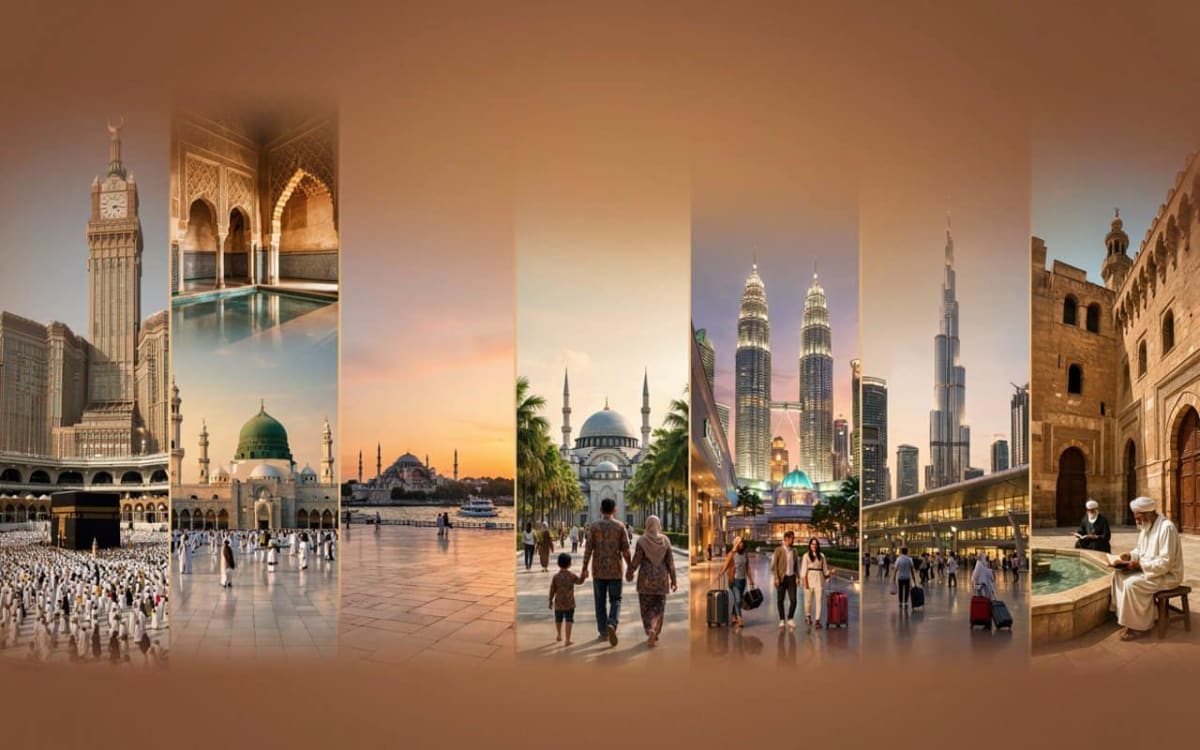
After years of pandemic disruption, religious tourism is experiencing a remarkable comeback with record demand for pilgrimages to Makkah, Madinah, and Islamic heritage sites worldwide. Saudi Arabia, Indonesia, Türkiye, and Malaysia are leading the revival with major infrastructure investments.
Millions of Muslim travelers are returning to sacred destinations around the world, breathing new life into religious tourism after years of pandemic restrictions.
The revival is transforming how people experience faith-based travel. What used to be purely pilgrimage journeys now blend spiritual experiences with cultural exploration, heritage visits, and extended family vacations.
Saudi Arabia sits at the heart of this renaissance. As home to Makkah and Madinah, Islam's two holiest cities, the kingdom welcomes millions annually for Hajj and Umrah pilgrimages. The country has invested heavily in expanding airports, hotels, and transportation networks to handle the growing crowds comfortably.
Indonesia, with the world's largest Muslim population, has become a powerhouse in sending travelers abroad while developing its own Islamic heritage sites. Jakarta, Aceh, and Yogyakarta now attract visitors interested in mosques, historical landmarks, and cultural traditions.
Türkiye is winning hearts by combining faith with culture. Istanbul's historic mosques, Konya's religious museums, and Bursa's Ottoman heritage sites draw travelers seeking both spiritual connection and architectural beauty.
Malaysia rounds out the alliance by offering halal-friendly travel experiences that cater to Muslim families seeking comfort and convenience. The country's tourism industry has become expert at combining religious respect with modern hospitality.
The Ripple Effect
This tourism boom extends far beyond the travelers themselves. Airlines are adding new routes to meet demand. Hotels in pilgrimage cities are expanding their capacity. Local tour operators, restaurants, and transportation services are creating thousands of jobs.
Governments across Muslim-majority nations are seizing the opportunity to upgrade infrastructure that benefits everyone. Better airports, improved public transportation, and digital booking systems make travel easier for all visitors, regardless of their reason for coming.
The economic impact reaches into communities surrounding sacred sites. Small businesses selling food, crafts, and services to pilgrims are thriving again after difficult years.
Technology is making religious travel more accessible than ever. Digital visa applications, online permits, and mobile apps for navigation help first-time pilgrims feel confident about their journeys. Virtual guides provide historical context at heritage sites, enriching the experience.
The revival also reflects a broader truth about human resilience. When borders closed and travel stopped, people never lost their desire to connect with their faith and heritage. Now that paths have reopened, families are prioritizing these meaningful journeys, often bringing multiple generations together.
As infrastructure continues improving and more destinations develop their Islamic heritage offerings, religious tourism is positioned to grow for years to come, creating prosperity while helping millions fulfill deeply personal spiritual goals.
Based on reporting by Regional: saudi arabia development (SA)
This story was written by BrightWire based on verified news reports.
Spread the positivity!
Share this good news with someone who needs it