Remote Island Takes Control of Its Health Care Future
An Indigenous community in Australia's Gulf of Carpentaria just launched the country's first community-led primary care clinic. After years of health gaps and limited access, Mornington Island residents now have consistent doctors and walk-in care on their own terms.
When nearly 40 percent of your community lives with chronic disease and doctors rotate through like temporary visitors, something has to change.
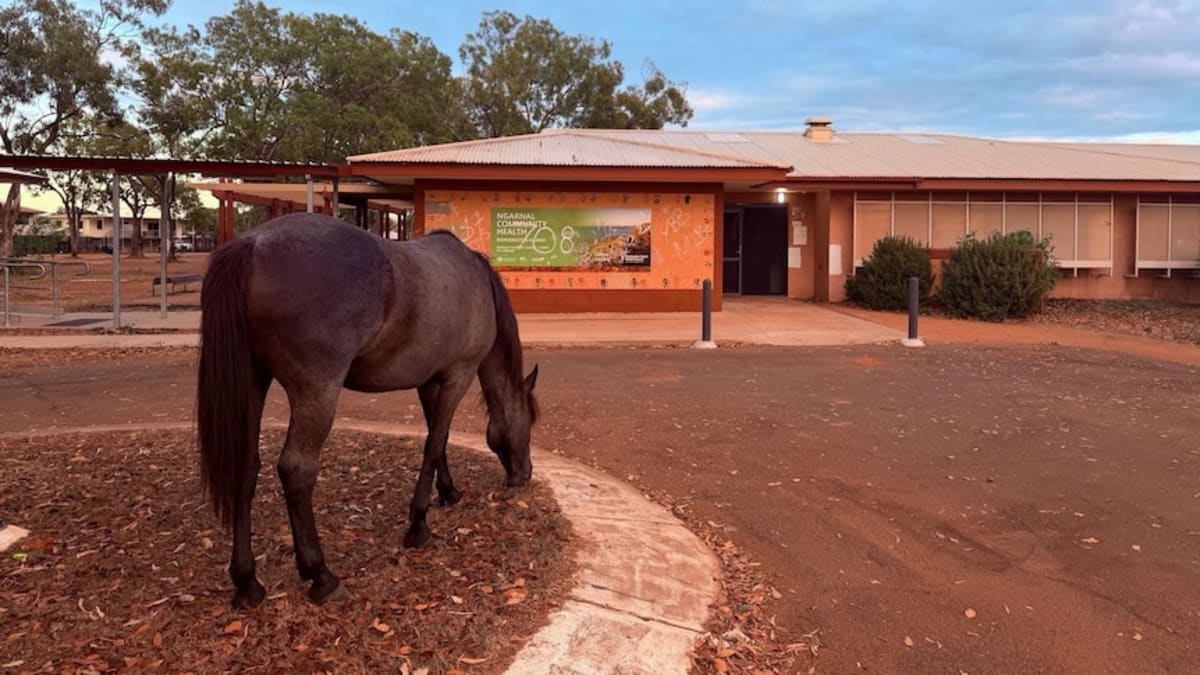
That moment arrived last month for Mornington Island, a remote community of 1,200 people off Australia's Gulf of Carpentaria coast. The Ngarnal Aboriginal Community Controlled Health Service opened a walk-in clinic in partnership with the Royal Flying Doctor Service, marking the first collaboration of its kind in the nation.
For decades, residents faced a broken cycle. Temporary doctors offered limited services. Trust never formed. People stopped seeking care. Health outcomes worsened, with death rates 40 percent higher than the rest of Queensland.
"We need to be able to be in control of our health," said Susan Sewter, chair of Ngarnal. "We've relied on everyone else up until now. It's time for us to step up and make this work for us."
The new model solves the consistency problem that plagued previous attempts. A rotating team of RFDS doctors and nurses work five-day shifts, ensuring one doctor, two nurses, and an Aboriginal health practitioner are on the island every week. Same faces, building real relationships.
Dr. Yvonne Doveren, RFDS Primary Healthcare Medical Lead, said staff share cups of tea with residents while they wait for appointments. It's healthcare designed around connection, not convenience for providers.
The walk-in format removes another barrier. No appointments needed means residents can seek care when they need it, not when a schedule allows.
The Ripple Effect
This partnership could reshape healthcare across remote Australia. Dr. Stephen Harfield, an Indigenous health researcher at the University of Queensland, sees the model's potential spreading to other isolated communities facing similar challenges.
"Local, community controlled health services understand their communities better than anyone else," Dr. Harfield said. When culture sits at the center of care delivery, health outcomes improve.
The two-year partnership gives Mornington Island residents something they haven't had before: agency over their own wellbeing. After that period, the community can renegotiate terms based on what works best for them.
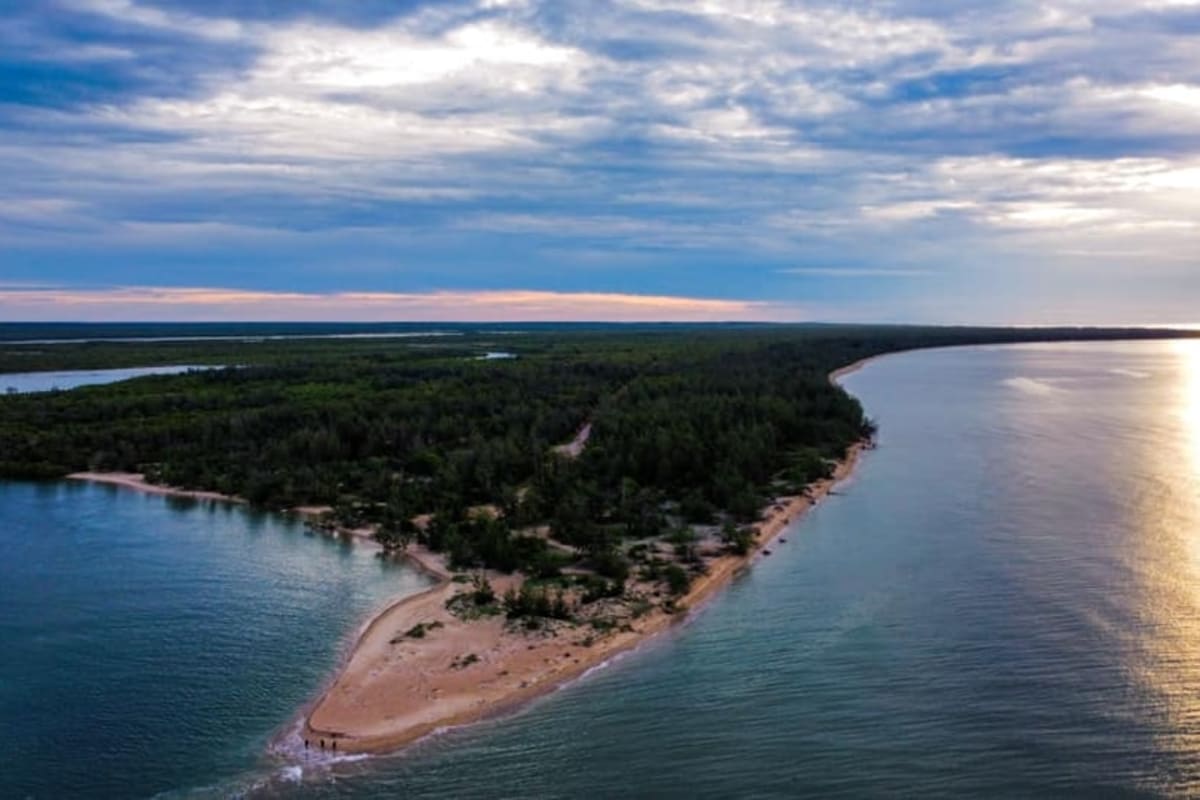
More than 80 percent of the island's population is Indigenous, and the community is accessible only by plane or ferry from mainland Australia. Geographic isolation amplified healthcare challenges for years, but now that same isolation creates space for innovation.
For Mornington Island, taking control means building the foundation for healthier futures where education, employment, and community participation become possible.
More Images

Based on reporting by ABC Australia
This story was written by BrightWire based on verified news reports.
Spread the positivity!
Share this good news with someone who needs it