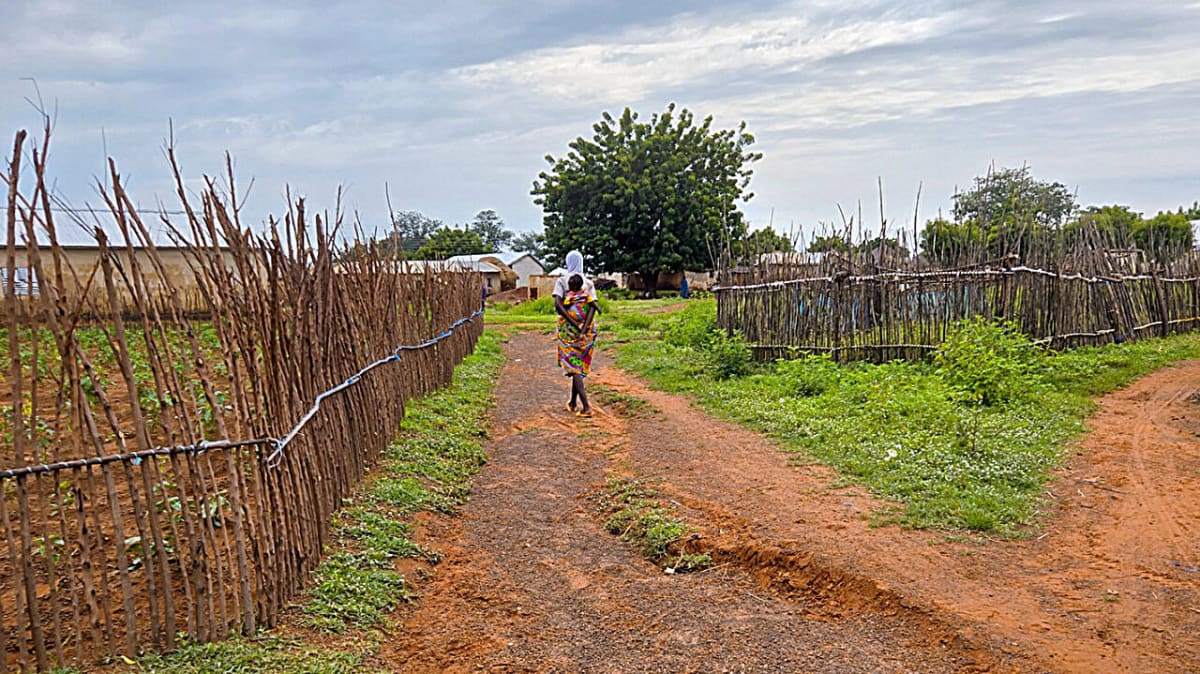
Remote Work Helps Anxious Women in Ghana Join Workforce
New research shows that offering remote work options helped Ghanaian women struggling with anxiety and depression enter the job market. Once working from home, their mental health didn't affect their productivity or earnings at all.
Women facing anxiety and depression are joining Ghana's workforce thanks to a simple change: the option to work from home.
In rural Ghana, nearly half of low-income women experience moderate to severe anxiety. Cornell University researchers discovered these women were 54% more likely to reject job offers than their peers, but only when the work required leaving home.
The study took place during Ghana's lean season, when farmers wait between planting and harvesting with little work available. Researchers offered women lucrative jobs that could account for nearly half their household income during this difficult time.
Women with poor mental health consistently turned down outside work. The reason wasn't about capability. It was about the barriers that come with depression and anxiety.
"When you're depressed or anxious, taking up work outside the home can be a much more daunting undertaking," said Heather Schofield, the study's co-author and assistant professor at Cornell. Commuting, unfamiliar settings, and social interactions create avoidance behaviors that keep people from opportunities.
But when researchers offered the same work as a remote option, mental health status stopped mattering. Women with anxiety and depression accepted home-based jobs at the same rates as everyone else.
The remote workers received three days of training, materials to stitch bags at home, and payment for each piece completed. What happened next surprised the research team.
The Bright Side
Mental health status had zero impact on remote workers' productivity, income, or likelihood to quit. Women with anxiety and depression performed just as well as their peers when working from home.
"Once you have a remote work option, even if you're in poor mental health, you can be quite productive," Schofield said. The findings challenge assumptions that mental health struggles always translate to lower job performance.
The research also revealed how remote work could break a vicious cycle. Unemployment worsens mental health, which makes finding new work even harder. Remote options provide an accessible entry point back into the labor market.
Schofield hopes similar research will explore how these findings apply to higher-income countries like the United States. The dynamics might differ in more isolated societies where remote work could reduce helpful social interactions.
For now, the message is clear: removing barriers to entry helps people thrive, and remote work might be one of the simplest solutions to expand economic opportunity for millions.
More Images

Based on reporting by Phys.org
This story was written by BrightWire based on verified news reports.
Spread the positivity!
Share this good news with someone who needs it