Renault Cuts Development Time to 21 Months for New EVs
French automaker Renault is transforming how it builds electric vehicles, slashing development time from years to just 21 months by collaborating with engineers in China. The company plans to launch 36 new models in five years, including an affordable electric Twingo compact car.
Renault just proved that adapting to competition can spark real innovation in electric vehicle development.
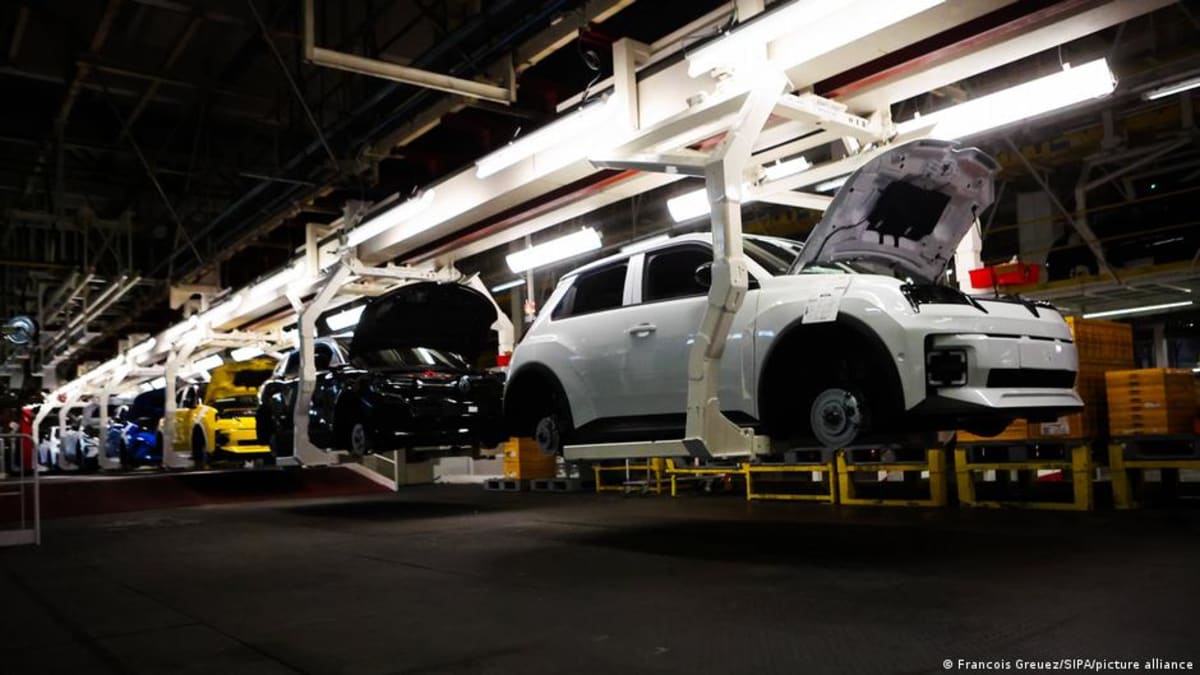
The French automaker announced it's cutting EV development time to just 21 months, down from the industry standard of three to four years. By working with Chinese engineers at its research center in China, Renault achieved this breakthrough timeline with its upcoming electric Twingo compact car.
The company plans to launch 36 new models over the next five years, all developed in record time. CEO Francois Provost said the goal is to "compete with Chinese vehicle manufacturers in terms of innovation, cost and speed."
This shift comes as European automakers face pressure from Chinese electric vehicle brands known for lower costs and faster production cycles. Rather than resist the challenge, Renault is learning from it.
The company is restructuring its global engineering workforce, reducing positions by 15 to 20 percent across centers in Brazil, India, Morocco, Romania, South Korea, Spain, Turkey and other countries. Renault confirmed all reductions will happen without forced layoffs, and core technology development will remain in France.
The Bright Side
What could have been a story about job cuts is actually about evolution. Renault isn't retreating but retooling itself to survive in a rapidly changing industry.
The faster development timeline means customers will get innovative electric vehicles sooner and at lower prices. The new electric Twingo represents this promise, bringing back a beloved compact model as an affordable EV option for European buyers.
By collaborating across borders rather than competing in isolation, Renault is showing that adaptation beats resistance. Chinese manufacturers introduced faster, cheaper methods that are now raising standards across the global auto industry.
The result is better electric vehicles reaching customers faster, which accelerates the transition to cleaner transportation worldwide. When companies learn from each other instead of just competing, everyone wins including the planet.
Based on reporting by Google News - Electric Vehicle
This story was written by BrightWire based on verified news reports.
Spread the positivity!
Share this good news with someone who needs it