Reporter Connects Science to Real Lives in Conservation
John Cannon has spent a decade turning complex environmental science into stories that matter to everyday people. His investigation into a secret carbon credit deal helped expose injustice against Indigenous communities in Malaysian Borneo.
A journalist with a biology degree and Peace Corps experience is proving that environmental reporting can change lives when it connects science to the people who need it most.
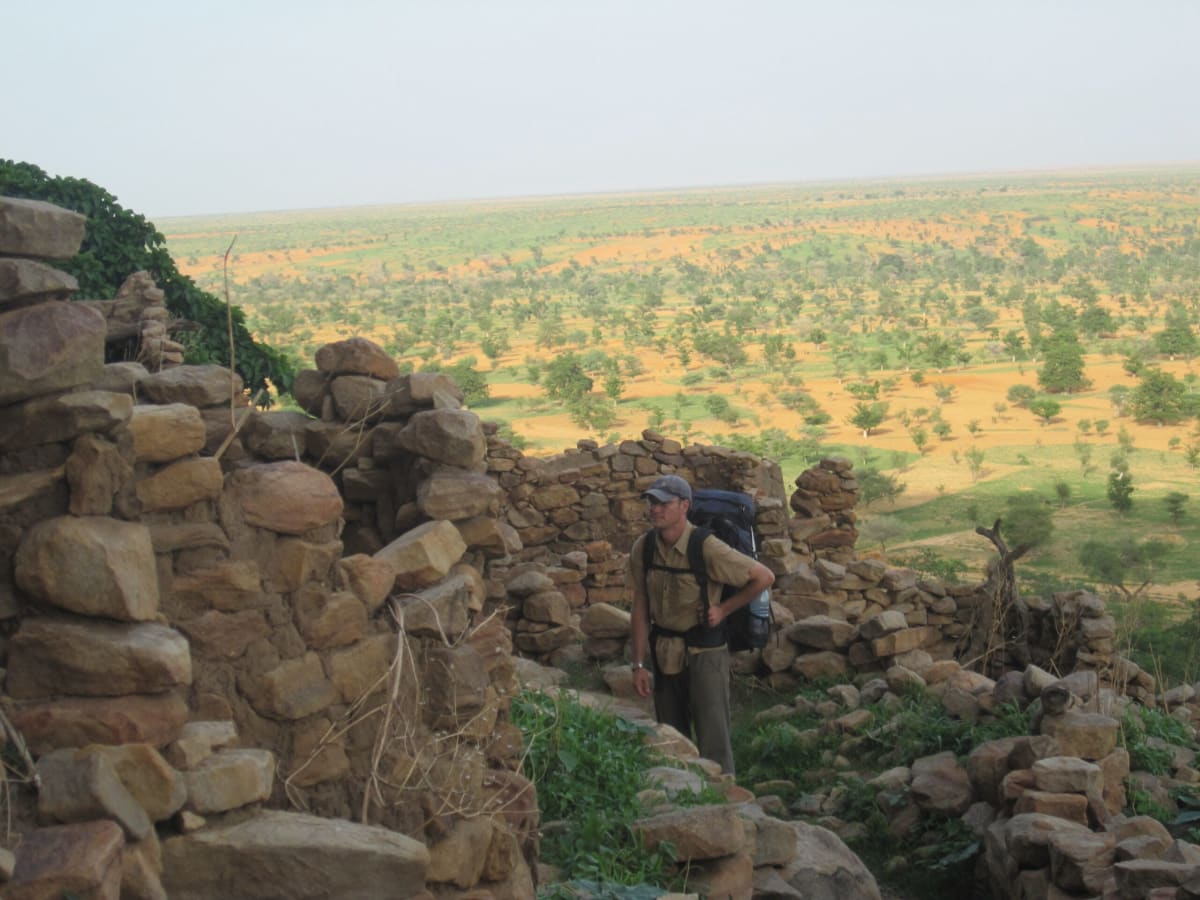
John Cannon has been writing for Mongabay since 2014, transforming conservation research into compelling narratives that resonate far beyond academic journals. His background spans continents, from volunteering in Niger to hiking Spain's Camino de Santiago, all while keeping two cats he adopted in Gaza.
What sets Cannon apart is his commitment to evidence-based storytelling that bridges the gap between research and reality. "I believe it's perhaps the most profound way we can contribute to making things better," he says.
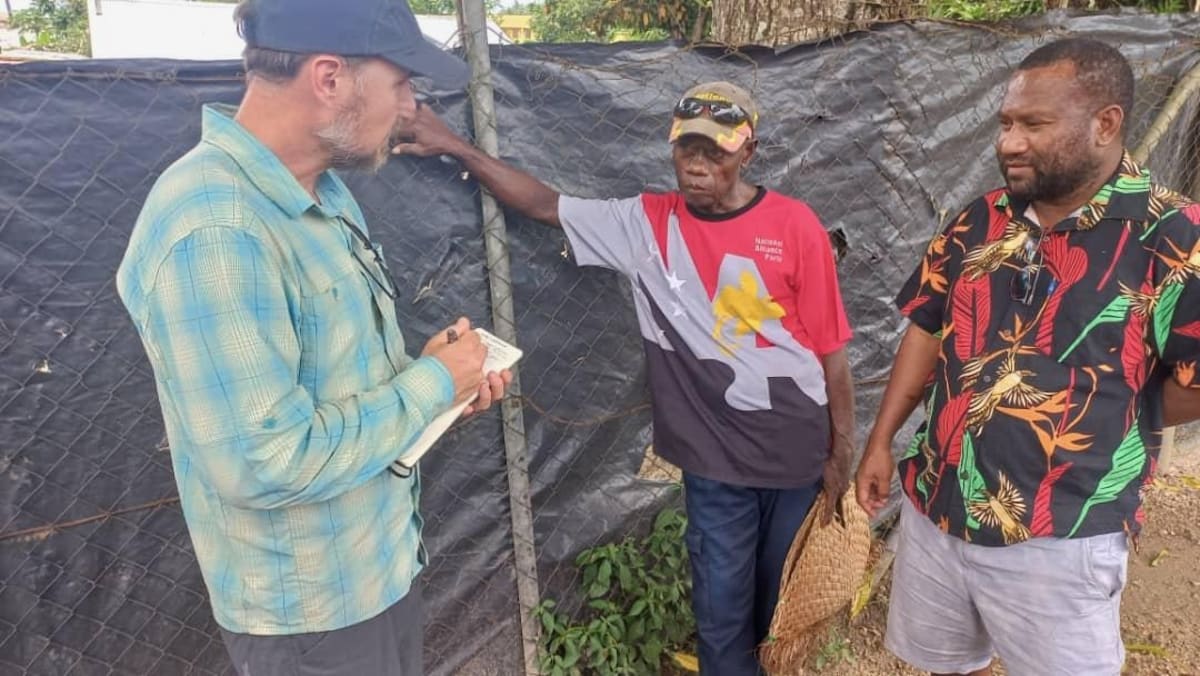
His reporting takes him across Africa, Asia, and Latin America, where he meets communities facing climate change, deforestation, and land loss. Each story becomes an opportunity to show how deeply connected we all are to these challenges.
The work demands curiosity and collaboration. Cannon learns from scientists, local leaders, and community members who generously share their expertise and experiences. "Getting to learn from people who are passionate about the work they do, the places they live and the causes they care about" keeps him inspired daily.
Why This Inspires
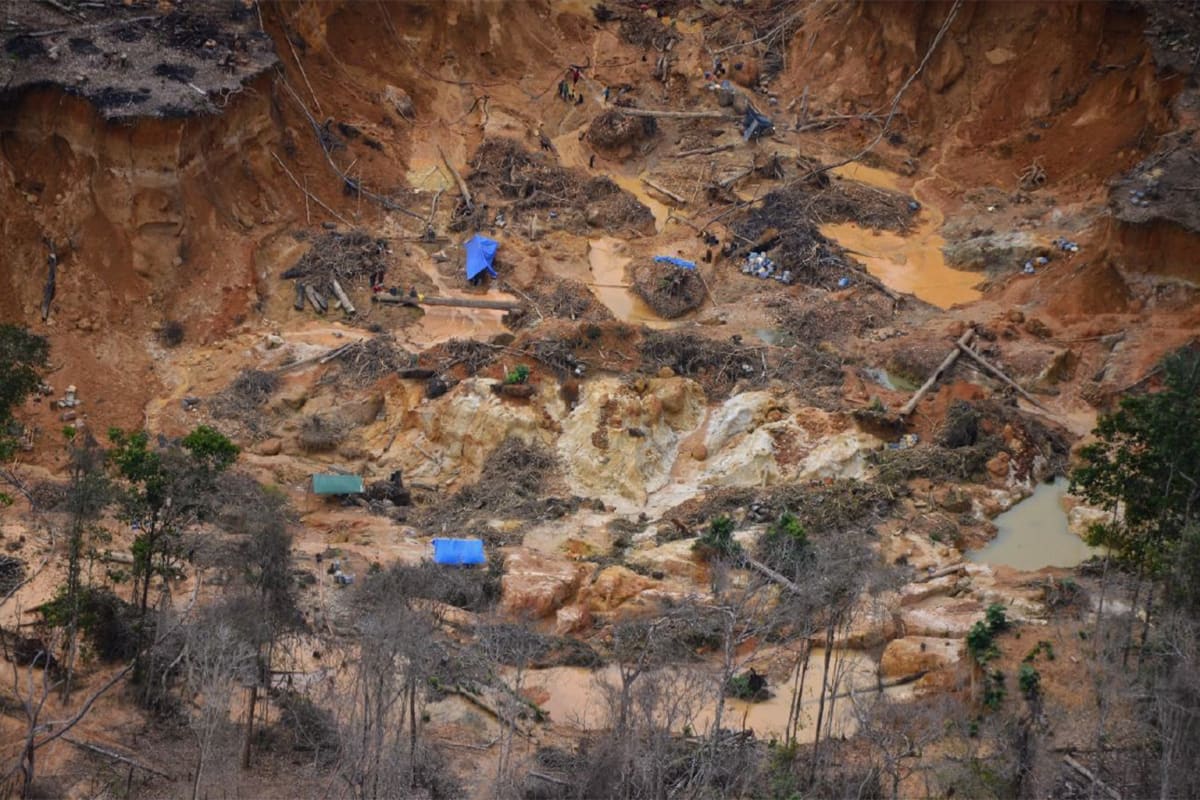
Cannon's proudest achievement shows the real power of journalism. In late 2021, he broke the story of a secret "natural capital agreement" in Sabah, Malaysian Borneo. State government officials had quietly signed a deal with private companies that restricted Indigenous peoples' forest rights for 100 years while limiting their financial benefits.
Many Sabahans first learned about this agreement through Cannon's reporting. The story sparked public awareness and accountability when communities needed it most.
His approach offers a roadmap for journalists navigating today's challenging media landscape. Science can seem distant and abstract, but Cannon proves it becomes powerful when grounded in human stories.
He encourages fellow reporters to keep writing and connecting with audiences. "There is a hunger for great stories, and many people are doing compelling work," he says. "Don't be afraid to be one of them."
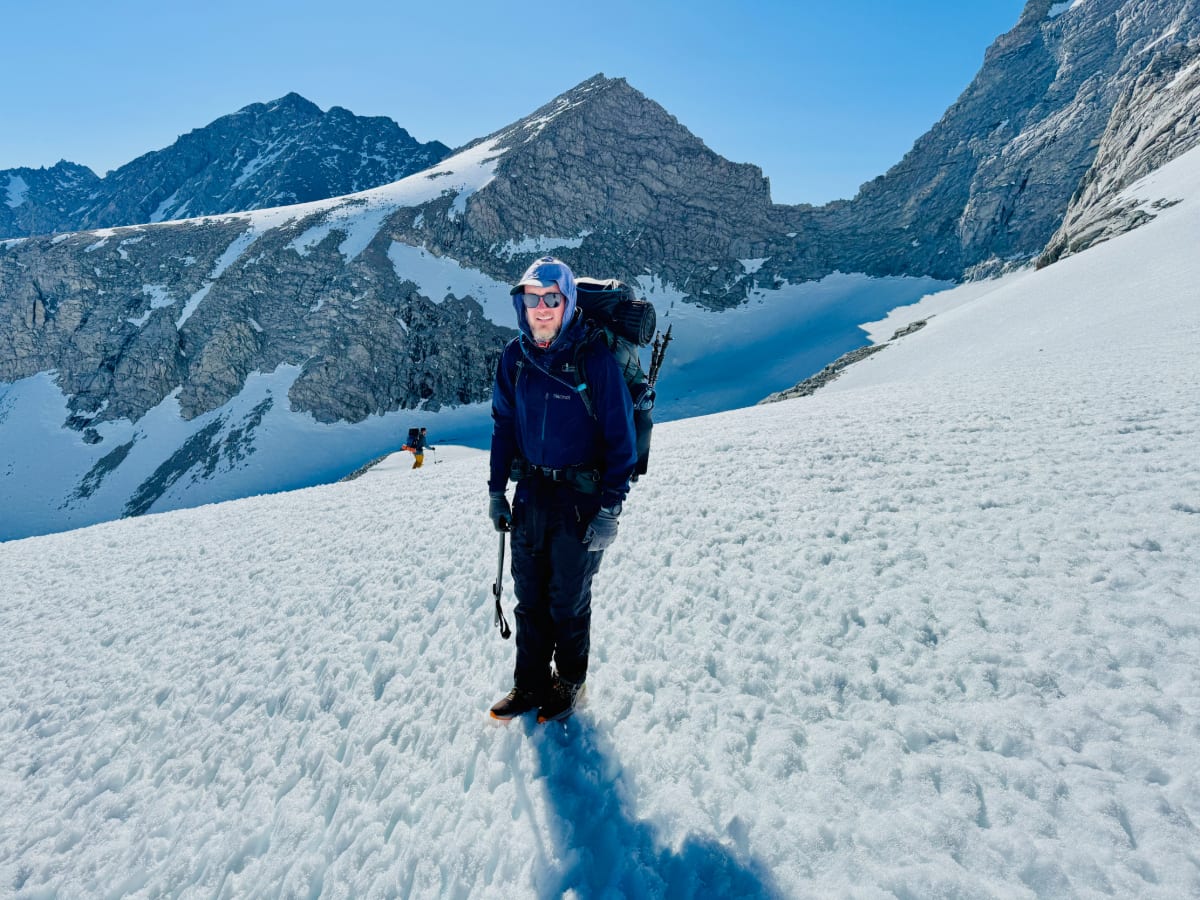
Between mountain biking adventures and tackling hiking trails across continents, Cannon continues finding ways to make environmental science accessible and urgent. His work reminds us that journalism matters most when it illuminates truth and empowers communities to protect what they love.
More Images
Based on reporting by Mongabay
This story was written by BrightWire based on verified news reports.
Spread the positivity!
Share this good news with someone who needs it