Reporter's Decade of Stories Saves Sumatran Rhinos
One journalist's refusal to move on from endangered species coverage just corrected global conservation data and changed how the world protects rare animals. Her secret? Staying with stories for years, not days.
Isabel Esterman proved that the most powerful journalism isn't always the loudest story. Sometimes it's the one you keep telling until the world finally listens.
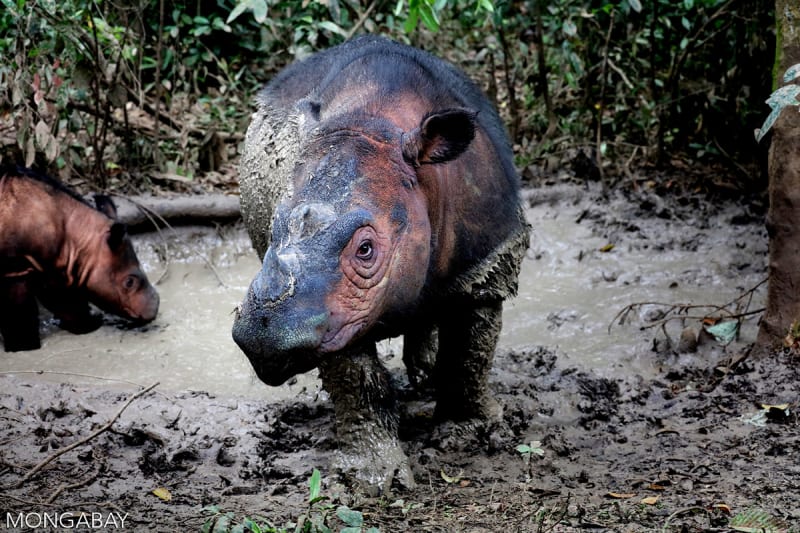
As managing editor for Southeast Asia at Mongabay, Esterman has spent years covering stories most reporters would have abandoned after one article. Her sustained coverage of Sumatran rhinos revealed a truth conservationists needed to hear: official estimates claiming over 100 animals remained were wildly optimistic.
Through persistent investigation, Esterman's team showed the real number was closer to 30 rhinos in the wild. Today, official estimates finally reflect this reality, giving conservationists accurate data to work with for the first time.
"Being able to have a more realistic figure to work with makes a big difference for conservation," Esterman says. It's not glamorous work, but it saves species.
Her approach extends beyond rhinos. Esterman has spent years investigating carbon credit land deals in Malaysia and exposing ritual use as a previously overlooked driver of ape trafficking in Africa. Each story builds on the last, gradually reshaping how experts understand these issues.
"What I think about is the topics we've really stayed on and broken ground on that have changed the way people think and talk about issues," she explains. "It's not one story, but this collective body of reporting."
Since joining Mongabay in 2016, Esterman has become one of the organization's longest serving staff members. From her home in Salt Lake City, she now empowers local journalists across Southeast Asia to tell their own environmental stories.
She navigates serious challenges most Western reporters never face. Press freedoms are shrinking across the region, and speaking out about environmental destruction carries real risks for journalists and their sources.
The Ripple Effect
Esterman's commitment to sustained reporting is creating change beyond individual stories. By prioritizing local journalists and building viable career paths in environmental reporting, she's ensuring communities can tell their own stories.
"It's valuable for global audiences to read stories about, say, the Philippines, written by Filipino reporters, not just foreigners," she says. These new voices bring perspectives that reshape how the world understands conservation.
Her work with Sumatran rhinos shows the power of this approach. What started as one investigation became years of coverage that eventually changed official conservation data used worldwide.
The lesson is clear: sometimes the most important journalism isn't breaking news. It's the story you refuse to let go, the issue you return to again and again until numbers shift, policies change, and endangered species get the protection they actually need.
One reporter staying with one story just gave 30 rhinos a fighting chance.
More Images

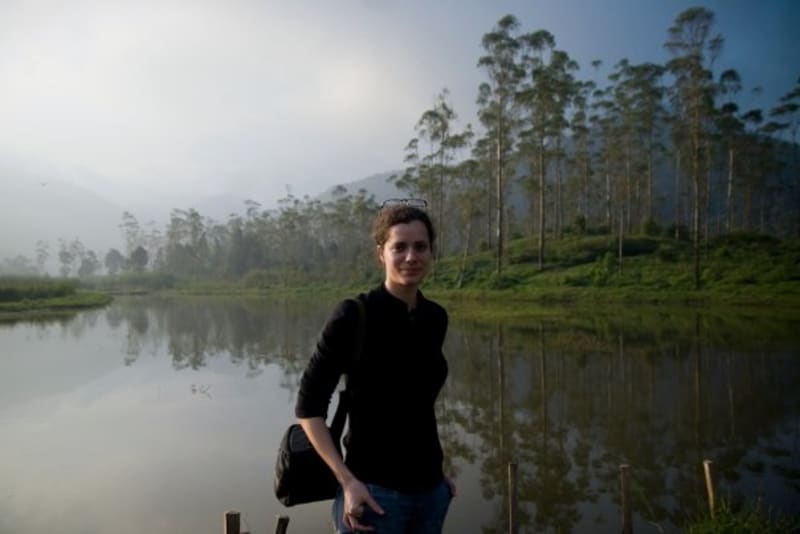
Based on reporting by Mongabay
This story was written by BrightWire based on verified news reports.
Spread the positivity!
Share this good news with someone who needs it