Researchers Build Support Networks to Beat News Burnout
Scientists struggling to focus amid global crises are finding relief through community support and constructive action. Mental health experts say these strategies help researchers cope with news overwhelm while maintaining their work.
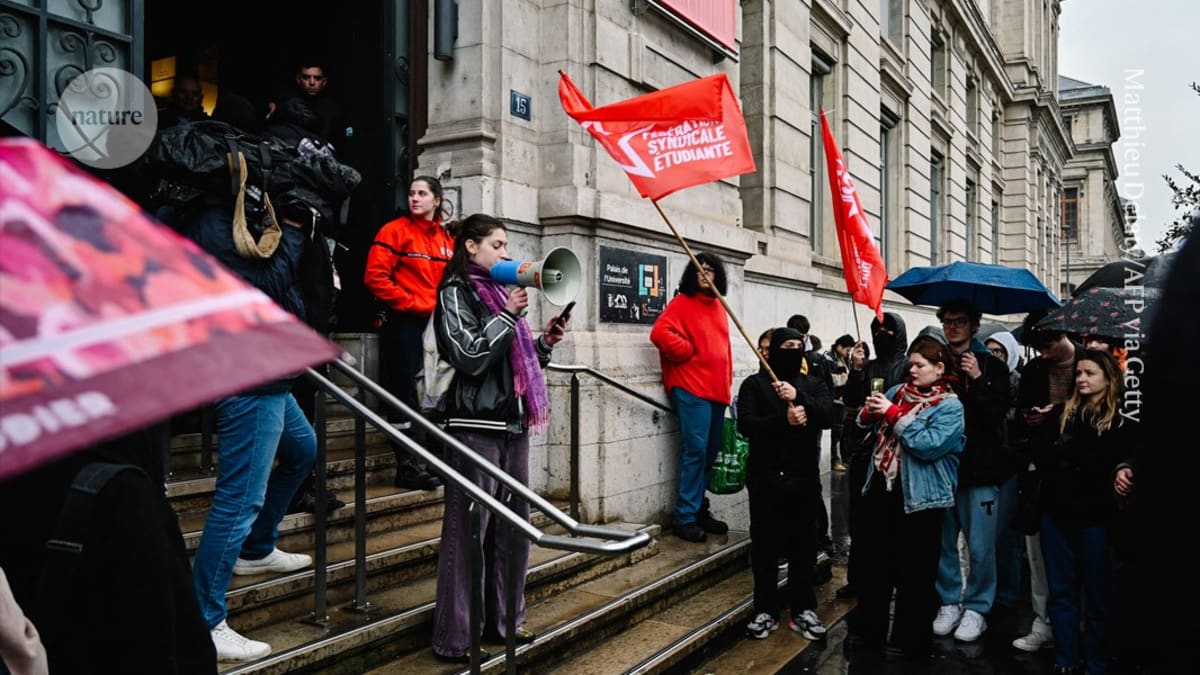
When neuroscience PhD student Alex Rich at Yale University noticed her peers missing deadlines and struggling to concentrate, she realized something bigger than academic pressure was weighing them down. The constant stream of global crises was making it nearly impossible for researchers to focus on their daily work.
Rich isn't alone in feeling the weight of world events. Postdoctoral researcher Aga Seretny in Germany describes it as "difficult to focus when the world feels like it's unravelling." The sentiment resonated so deeply that a Reddit post titled "hard to do a PhD when world is on fire" attracted hundreds of sympathetic comments from fellow students.
Mental health experts have a name for this emotional exhaustion: news overwhelm. While not a formal diagnosis, the condition is recognized by mental health organizations as distinct from firsthand trauma. It describes the stress of constantly consuming distressing news about events happening far away.
The science backs up what researchers are feeling. Studies following the September 11 attacks found that greater news exposure correlated with higher mental and physical ailments years later. Similar research during COVID-19 showed frequent news consumption increased feelings of hopelessness, anxiety, and even symptoms of depression and PTSD.
Clinical psychologist Desiree Dickerson in New Zealand explains that news overwhelm adds "a substantial layer of stress to individuals already running at capacity." For academics already facing a documented mental health crisis, the barrage of negative headlines about funding cuts and workforce reductions only intensifies the pressure.
But researchers are fighting back with proven strategies. Building support networks has emerged as a powerful tool for reducing burnout. When scientists connect with peers facing similar struggles, they create spaces to share coping mechanisms and remind each other they're not alone.
Some academics are channeling their distress into political action, which mental health experts say can restore a sense of control. Rather than feeling helpless while scrolling through bad news, taking constructive steps to address problems provides both purpose and relief from anxiety.
Why This Inspires
What makes these coping strategies so powerful is their dual benefit. Researchers aren't just protecting their own mental health by building community and taking action. They're also creating the support systems and advocacy networks that will help the next generation of scientists thrive, even during turbulent times.
Wendy Ingram, co-founder of Dragonfly Mental Health, notes that addressing news overwhelm is critical for the future of research itself. Scientists who learn to manage this stress while staying informed and engaged are modeling a sustainable path forward for academic work in an uncertain world.
The message spreading through academic communities is clear: you can care deeply about global events without sacrificing your wellbeing or your research.
More Images




Based on reporting by Nature News
This story was written by BrightWire based on verified news reports.
Spread the positivity!
Share this good news with someone who needs it