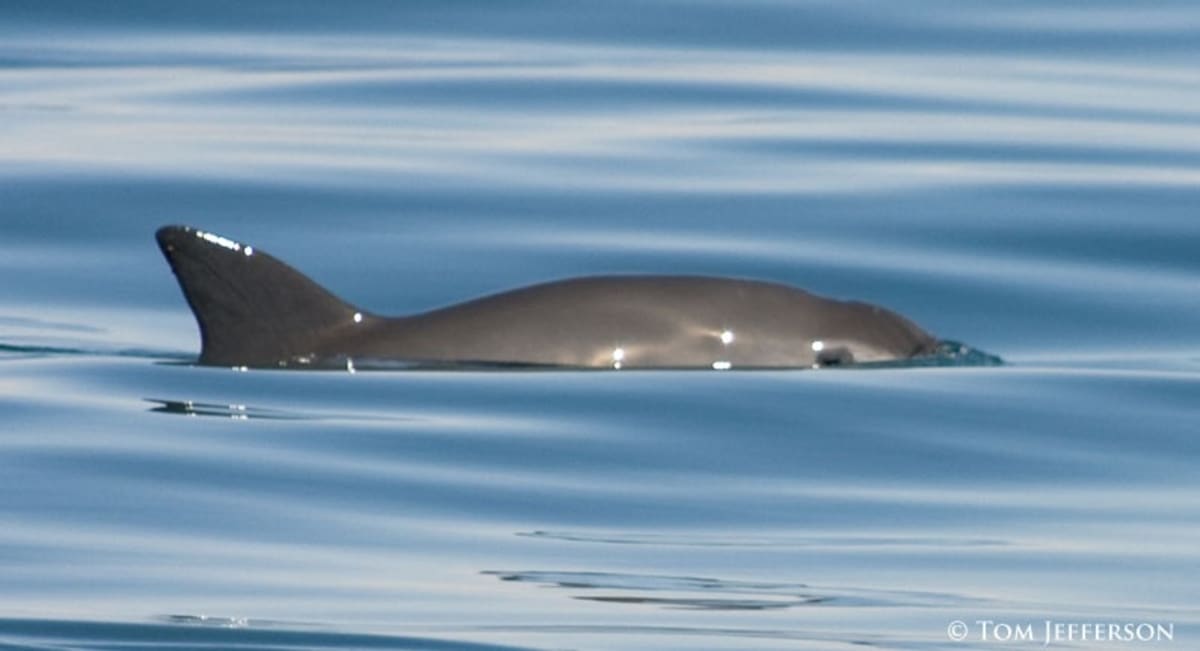
Researchers Save World's Rarest Porpoise in 3D
Scientists digitally preserved a vaquita porpoise skeleton so the world's most endangered marine mammal can be studied forever. With only 10 vaquitas left in the wild, this 3D archive ensures their story survives even if they don't.
Scientists just gave the world's rarest porpoise a shot at digital immortality.
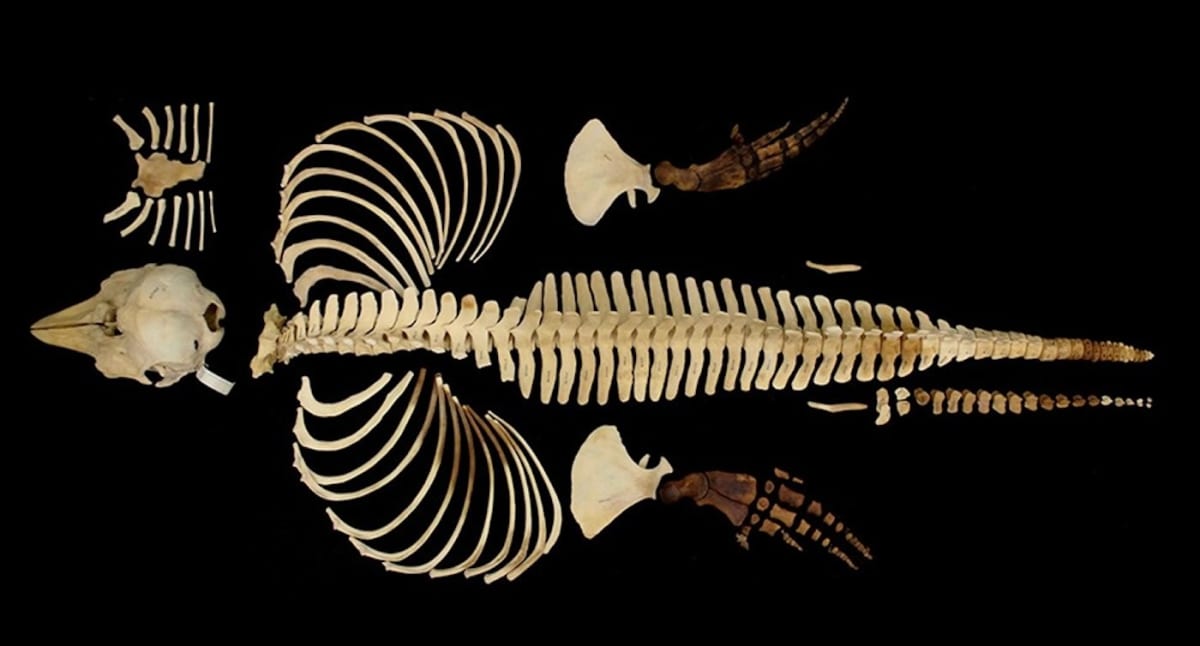
Researchers from Florida Atlantic University partnered with the San Diego Natural History Museum, SeaWorld California, and NOAA Fisheries to create an incredibly detailed 3D archive of a vaquita porpoise skeleton. The vaquita, found only in Mexico's Gulf of California, numbers as low as 10 individuals in the wild.
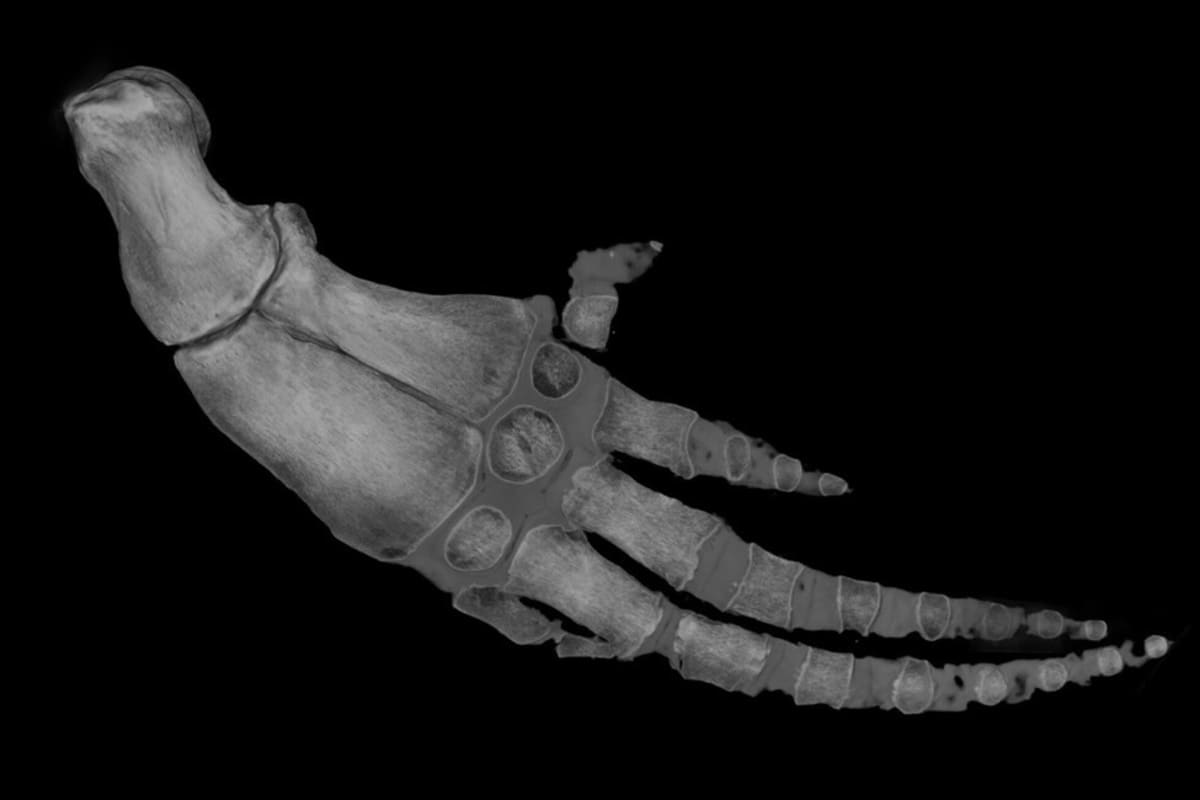
The team used medical CT scanning, micro-CT imaging, and high-resolution photography to capture every detail of the skeleton, which was donated to the museum back in 1966. They reconstructed the data into precise 3D models that scientists, students, and educators anywhere can explore, measure, and study online without touching the fragile original.
The vaquita is the world's smallest cetacean at just 5 feet long. These tiny porpoises, recognizable by distinctive dark rings around their eyes and mouth, only became known to science in the latter half of the 20th century.
Their population collapsed due to entanglement in gillnets used to illegally catch another banned species for the black market. Despite intense conservation efforts, their future hangs by a thread.
The project, published in Marine Mammal Science in June 2026, makes all data freely available through MorphoSource, an open-access repository. Anyone can download photographs, scan data, and 3D meshes to create printed replicas for museums and classrooms.
Why This Inspires
This digital preservation transforms one rare physical specimen into a permanent resource that thousands can access simultaneously. Students across the globe can now examine a vaquita skeleton in microscopic detail without ever risking damage to the original.
The technology also creates a lasting scientific record. If the vaquita disappears from our oceans, future generations will still be able to study their anatomy, understand what made them unique, and learn from our conservation failures and successes.
The survival of living vaquitas depends on eliminating gillnet fishing in their habitat. Those efforts are already underway, and organizations like the National Marine Mammal Foundation are leading the charge to save them.
This digital archive proves that even as species teeter on extinction's edge, innovative thinking can preserve their legacy and fuel the science needed to bring them back.
More Images
Based on reporting by Good News Network
This story was written by BrightWire based on verified news reports.
Spread the positivity!
Share this good news with someone who needs it


%2Fhttps%3A%2F%2Ftf-cmsv2-smithsonianmag-media.s3.amazonaws.com%2Ffiler_public%2F6c%2F5f%2F6c5f3401-48da-41c5-8eb0-c7f99032b198%2F11_nabarlek_on_augustus_island__ian_bool.jpg)