Rice AI Maps Alzheimer's Brain in Chemical Detail
Scientists created the first complete chemical map of an Alzheimer's brain without dyes, revealing the disease spreads unevenly and involves energy problems, not just protein buildup. The breakthrough could lead to earlier diagnosis and better treatments for a disease that kills more people than breast and prostate cancer combined.
Scientists at Rice University just revealed something hidden inside the Alzheimer's brain that could change how we fight a disease affecting millions worldwide.
Using laser imaging and artificial intelligence, researchers created the first complete chemical map of an Alzheimer's brain without any dyes or labels. What they found surprised them: the disease isn't just about protein plaques building up in one spot.
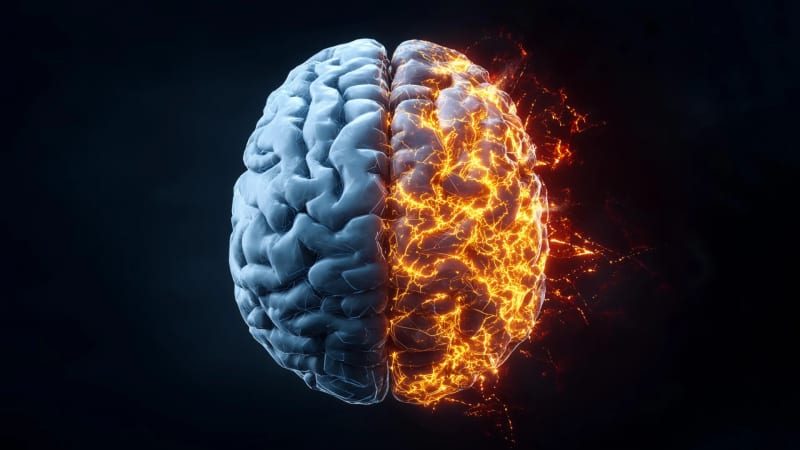
"We found that the changes caused by Alzheimer's disease are not spread evenly across the brain," said Ziyang Wang, a doctoral student who led the imaging work. Some regions showed dramatic chemical shifts while others remained relatively untouched.
The team used hyperspectral Raman imaging, a sophisticated technique that uses lasers to detect unique chemical fingerprints in brain tissue. They scanned entire brains slice by slice, taking thousands of measurements to build detailed molecular maps of both healthy and diseased tissue.
Because they didn't use dyes or molecular tags, the researchers saw the brain exactly as it is. This unbiased approach revealed patterns that traditional imaging methods miss entirely.
The real breakthrough came when machine learning analyzed the massive amounts of data. AI algorithms spotted natural patterns in the chemical signals, showing which brain regions were most affected by Alzheimer's.
Memory centers like the hippocampus and cortex showed the biggest changes. Cholesterol levels and glycogen, an energy storage molecule, varied dramatically in these areas compared to healthy brains.
"Cholesterol is important for maintaining brain cell structure, and glycogen serves as a local energy reserve," explained Shengxi Huang, the study's senior author. The findings suggest Alzheimer's disrupts how the brain maintains itself and produces energy, not just how it processes proteins.
Why This Inspires
This research represents years of trial and error paying off in a moment of clarity. Wang remembers when the complete chemical map first came together and patterns emerged that had never been visible before.
"It felt like revealing a hidden layer of information that had been there all along, waiting for the right way to be analyzed," he said.
The uneven spread of chemical changes helps explain why Alzheimer's symptoms appear gradually and why treatments targeting only protein plaques have struggled. If the disease involves widespread metabolic problems, future therapies might need to address energy balance and cell structure too.
The team hopes their detailed, dye-free maps will support earlier diagnosis and more effective strategies to slow the disease before it robs people of their memories and independence.
Every year, Alzheimer's claims more lives than breast cancer and prostate cancer combined, making breakthroughs like this one urgent and deeply needed. This new window into the diseased brain brings hope that better answers are finally within reach.
Based on reporting by Science Daily
This story was written by BrightWire based on verified news reports.
Spread the positivity!
Share this good news with someone who needs it