Rice University Creates Faster Test for Water Toxins
Scientists in Houston developed a new method to detect cancer-causing pollutants in water and soil in just hours instead of weeks. Using tiny nanoparticles and artificial intelligence, they're making environmental testing faster, cheaper, and portable.
Testing water for toxic pollutants just got dramatically faster, thanks to scientists who combined nanotechnology smaller than a strand of hair with the power of machine learning.
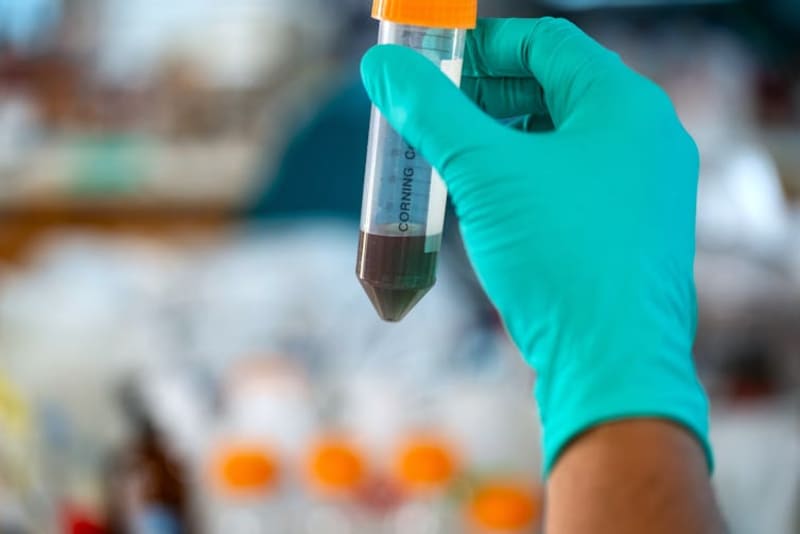
Researchers at Rice University in Houston developed a new way to detect dangerous chemicals like polycyclic aromatic hydrocarbons in contaminated water and soil. These cancer-causing compounds lurk at hundreds of EPA Superfund sites across America, but current testing methods take weeks and require expensive lab equipment.
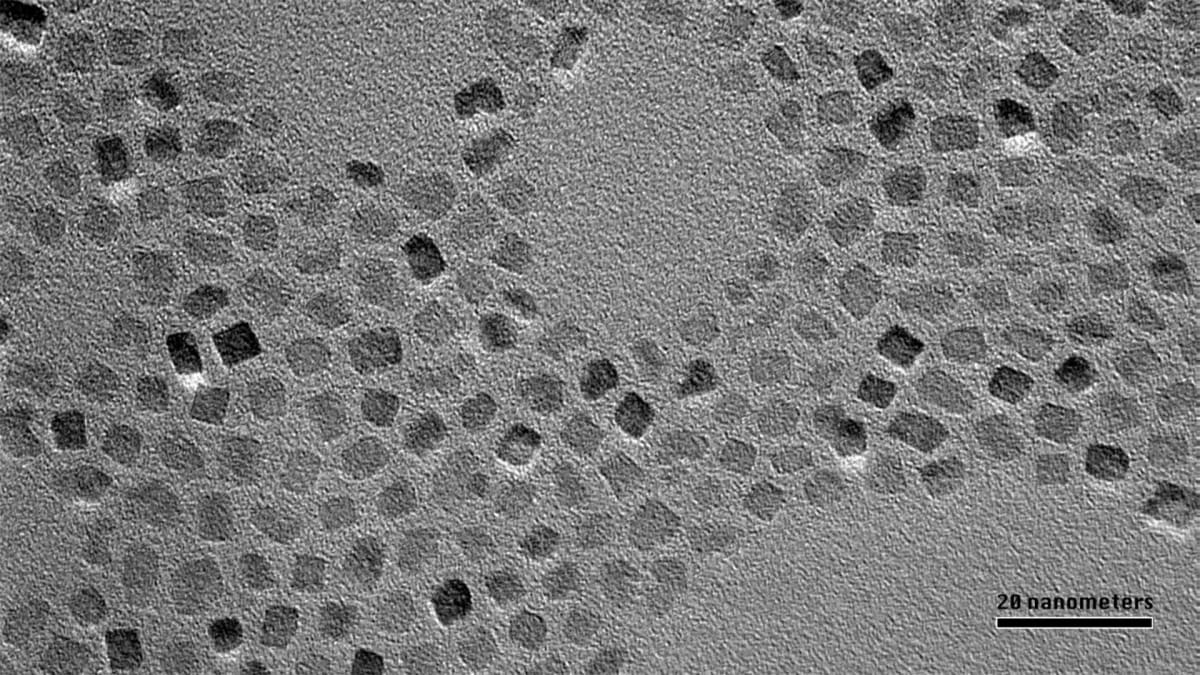
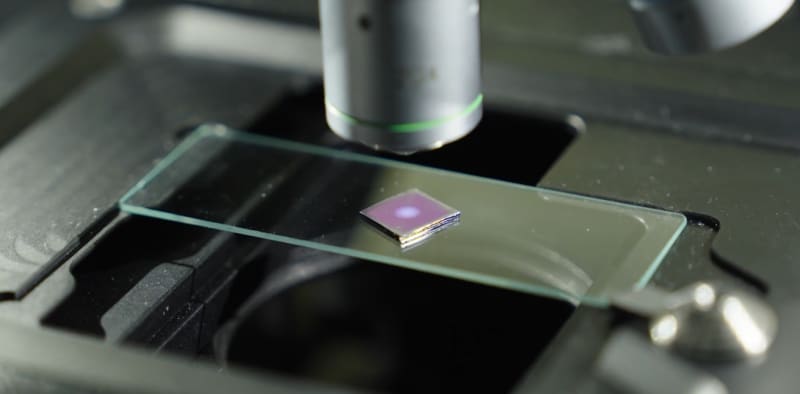
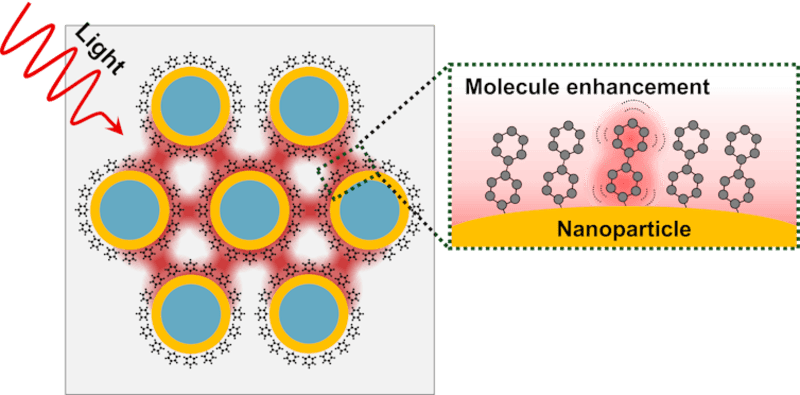
The new approach cuts that time to just a few hours. Scientists create special nanoparticles about 1,000 times smaller than a human hair and paint them onto glass slides using a metallic ink. When they add a drop of potentially contaminated water, pollutant molecules stick to these tiny particles.
Here's where it gets clever. The nanoparticles interact with infrared light like a magnifying glass focuses sunlight, amplifying the signals from even trace amounts of toxins. Each pollutant absorbs light at specific frequencies, creating a unique signature that identifies exactly what's in the water.
The real breakthrough comes from pairing this technology with machine learning. Traditional methods require physically separating each compound in a mixture, a time-consuming process. The new algorithms can identify individual pollutants in complex mixtures by spotting patterns too subtle for human analysts to catch.
The system compares measurements against a reference database automatically, requiring no advance training. Scientists simply measure the sample, feed the data into the program, and get results in hours rather than weeks.
The team is still refining the method. Different types of pollutants need different nanoparticle compositions, and algorithms need tweaking for various contaminant signatures. But the potential for faster, on-site environmental monitoring represents a major step forward.
Why This Inspires
This innovation transforms environmental protection from a slow, reactive process into something immediate and actionable. Communities living near contaminated sites could get answers about their water safety in hours instead of waiting anxiously for weeks. The portable nature of the technology means testing can happen right where people live and work, not just in distant labs.
The collaboration between chemists and computer scientists shows how combining different fields creates solutions neither could achieve alone. What started as a response to Houston's local Superfund sites could eventually protect communities nationwide.
With faster detection comes faster cleanup, bringing safer environments within reach for thousands of families living near hazardous waste sites across America.
More Images
Based on reporting by Google News - Researchers Find
This story was written by BrightWire based on verified news reports.
Spread the positivity!
Share this good news with someone who needs it