Rice Unlocks Self-Adjusting Materials for Safer Robots
Scientists discovered rice behaves backward under pressure, getting weaker when squeezed fast but staying strong when compressed slowly. This quirky property just inspired a new smart material that adapts without electronics.
Your breakfast staple just became the blueprint for robots that think for themselves.
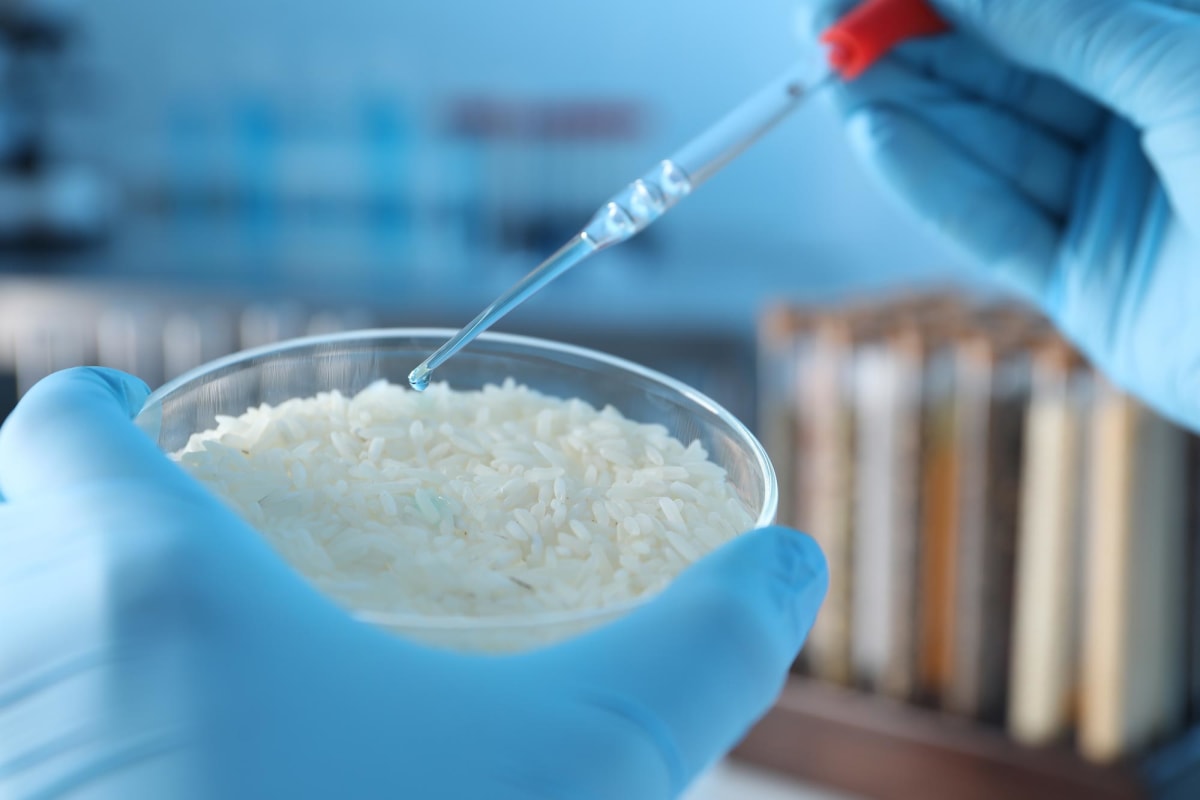
Researchers at the University of Birmingham discovered something strange about rice: it breaks all the usual rules. When you squeeze rice grains quickly, they actually get weaker instead of stronger. Most materials do the opposite.
This happens because friction between rice grains drops dramatically at higher speeds. The internal networks that normally carry the load start falling apart.
Dr. Mingchao Liu and his international team didn't just study this oddity. They turned it into a working solution. By combining rice particles with materials like sand that strengthen under impact, they created something entirely new.
The result is a composite material that automatically knows how to respond. Apply force slowly and it bends one way. Hit it suddenly and it stiffens differently. No batteries, no sensors, no computer chips required.
The research, published in Matter, shows how physics can replace electronics. Fast loads trigger one behavior. Slow loads trigger another. The material simply responds to what's happening around it.
The Ripple Effect spreads across multiple industries. Soft robots built with these materials could work safely alongside humans in factories, hospitals, and homes. They'd be lighter and more adaptable than traditional metal machines.
Surgeons could use precision robots that adjust their grip automatically. Rescue teams could deploy flexible machines into dangerous environments where rigid equipment fails.
The self-adjusting properties also open doors for protective gear that reacts instantly. A helmet or padding made from this material could absorb energy differently depending on impact speed, potentially reducing injuries more effectively than current designs.
Because the system works purely through mechanical properties, it never needs charging or maintenance. There's nothing electronic to break or malfunction. The material just works, powered by the physics of granular matter.
Liu emphasizes the shift in thinking this represents. Engineers typically design active control systems that monitor conditions and respond accordingly. This material doesn't need instructions. Its structure creates the intelligence.
The team's approach transforms how we might build responsive systems. Instead of adding complexity through sensors and processors, they built responsiveness directly into the material itself.
From food to future technology, rice continues proving its versatility. This discovery shows how careful observation of everyday materials can unlock extraordinary applications that make our world safer and more adaptable.
More Images
Based on reporting by Google News - Scientists Discover
This story was written by BrightWire based on verified news reports.
Spread the positivity!
Share this good news with someone who needs it