Rio Community Restores Native Forest in Brazil's Second Largest City
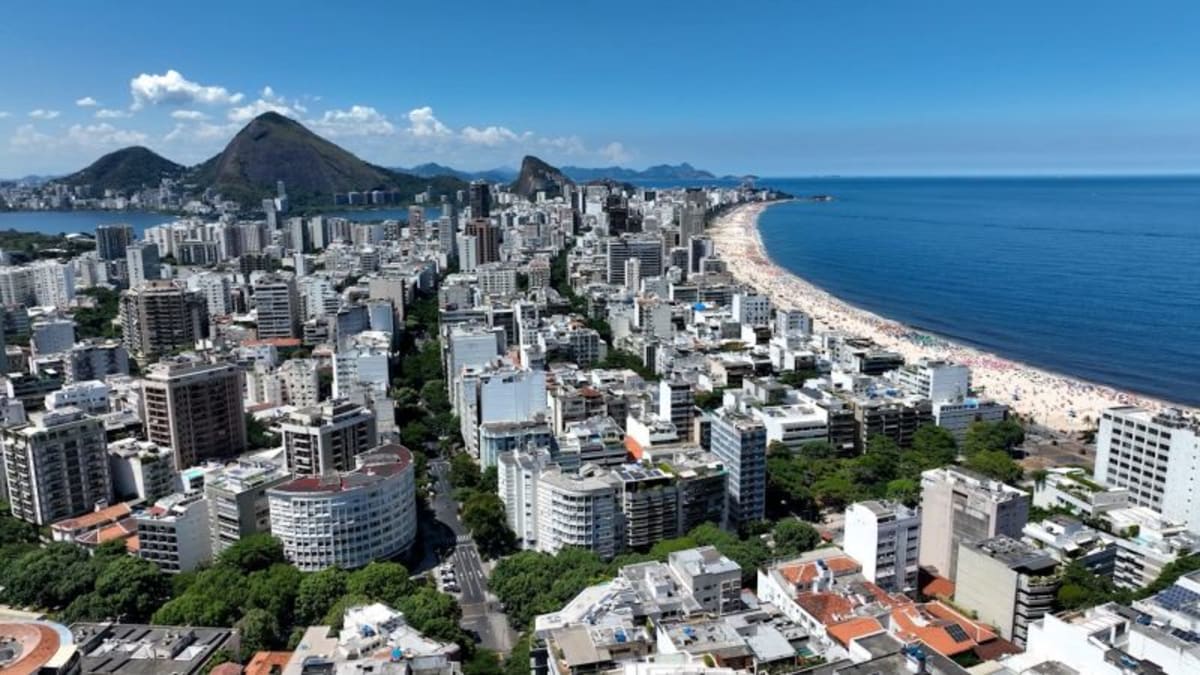
A community-driven program is bringing back native forest in the heart of Rio de Janeiro, proving that urban rewilding can thrive in major cities. Local volunteers are transforming degraded land into thriving green space that benefits both wildlife and residents.
Rio de Janeiro is getting its green back, one tree at a time, thanks to neighbors who refused to let their city's natural heritage disappear.
A community-led reforestation project is restoring native forest right in the heart of Brazil's second largest city. The program brings together local volunteers who are planting indigenous trees and rebuilding ecosystems that had been lost to urban development.
The initiative focuses on species that originally called Rio home. These native plants provide crucial habitat for local wildlife while helping the urban landscape become more resilient to climate challenges like flooding and extreme heat.
What makes this project special is who's doing the work. Instead of waiting for government action, everyday residents rolled up their sleeves and started digging. Families, students, and retirees now gather regularly to plant seedlings and care for young trees.
The restoration work happens in areas that had become degraded over decades of city expansion. Volunteers cleared invasive species and prepared soil before introducing native plants back to their original home. The transformation has been visible within months, with green canopy returning to previously barren patches.
The Ripple Effect
The benefits extend far beyond just prettier views. Native forests act like natural air conditioners, cooling surrounding neighborhoods during Rio's hot summers. They also absorb rainwater that would otherwise rush through streets during heavy storms, reducing flood risk for nearby homes.
Local wildlife has noticed the change too. Birds and insects that had abandoned these areas are returning as the native plants provide food and shelter they can't get from ornamental species. The forest is essentially knitting itself back together, one species at a time.
The project serves as a model for other major cities wrestling with how to increase green space in already built environments. It proves you don't need massive budgets or years of planning to start making a difference. You just need committed people who care about their home.
Young participants say working on the forest gives them hope for the future. They're literally building the shade they'll enjoy for decades to come while learning about the plants and animals that share their city.
The restored areas are becoming community gathering spots where neighbors meet, kids explore nature, and everyone can escape the concrete jungle for a moment. What started as an environmental project has grown into something that strengthens social bonds too.
Rio's reforestation shows that cities and nature don't have to be enemies. With the right approach and community commitment, even dense urban areas can welcome back the wild spaces that make them healthier and more livable for everyone.
Based on reporting by Google News - Reforestation
This story was written by BrightWire based on verified news reports.
Spread the positivity!
Share this good news with someone who needs it