Rio de Janeiro Bans Shark Meat in 1,200 State Schools
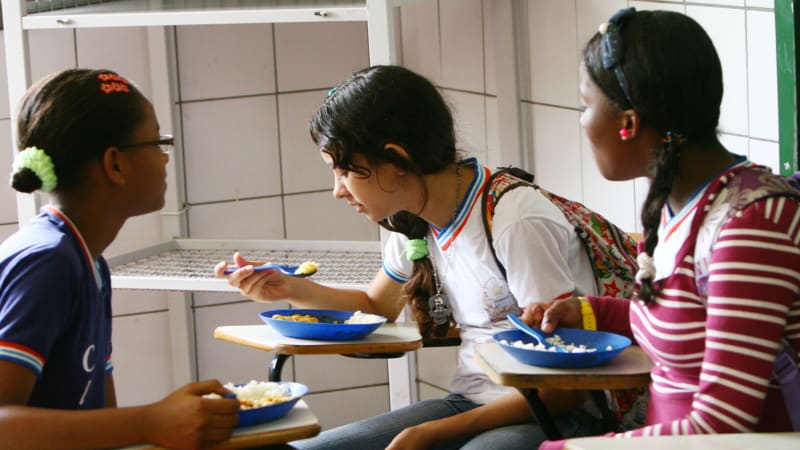
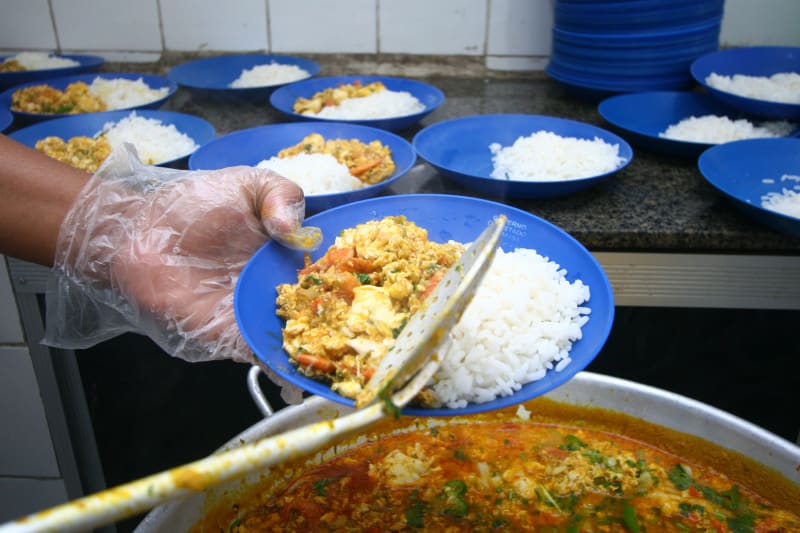
Brazil's Rio de Janeiro state just became the first to ban shark meat from school cafeterias, protecting 1,200 schools worth of kids from mercury exposure while giving threatened ocean predators a fighting chance. The move follows health warnings and a major investigation revealing tons of shark meat flowing through Brazilian schools.
Over a million Brazilian students just got safer, healthier school lunches without even knowing they needed them.
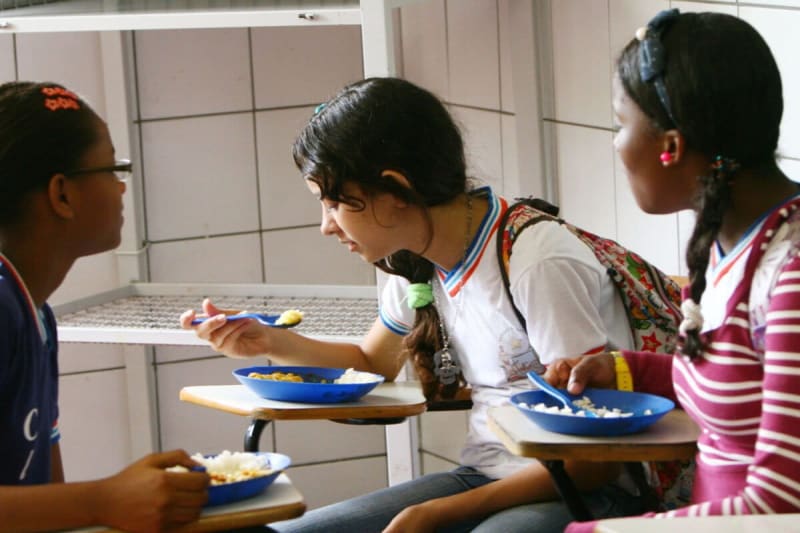
Rio de Janeiro state quietly banned shark meat from all 1,200 of its public schools in October, making it the first Brazilian state to protect kids from the hidden dangers lurking in their cafeteria fish. The decision came after marine conservationists and school meal advisors presented overwhelming evidence about mercury contamination and the devastating impact on shark populations.
Here's the catch. Most Brazilians have no idea they're eating shark at all. The meat gets sold under the generic label "cação" instead of "tubarão" (the Portuguese word for shark), masking what's really on the plate.
The problem goes deeper than marketing. Sharks sit at the top of the ocean food chain, which means their bodies accumulate dangerous levels of mercury and arsenic. Young children are especially vulnerable to these toxins, which can cause serious health problems.
An investigation published last summer revealed the shocking scale of the issue. Since 2004, Brazilian states issued over 1,000 public contracts to buy more than 5,400 metric tons of shark meat. That's roughly 12 million pounds of apex predator ending up in schools, hospitals, and government cafeterias.
The Rio education department didn't mess around with half measures. Their October guideline didn't just discourage shark purchases. It "strictly prohibited" buying or preparing shark meat in state schools, recommending tilapia instead for its low mercury content and wide availability.
Nathalie Gil from Sea Shepherd Brazil helped push the ban through by submitting a technical note packed with scientific evidence. She said the investigation's findings, combined with data about federal schools buying large shark quantities, made the case impossible to ignore.
Sandra Pedroso, an advisor to Rio's school feeding council, put it bluntly. "What shocks me most is the lack of awareness and care about what you eat," she said. The investigation opened eyes across the education system.
The seafood industry pushed back hard, dismissing the health concerns and complaining about transparency. But health agencies including the WHO, FDA, and Brazil's own Oswaldo Cruz Foundation all backed up the science behind the decision.
The Ripple Effect: This single state policy creates waves far beyond Rio's borders. Every shark not caught for school cafeterias gets a chance to reproduce and maintain healthy ocean ecosystems. Marine conservationists hope other Brazilian states will follow Rio's lead, potentially saving thousands more sharks while protecting millions of children from mercury exposure. Brazil consumes more shark meat than any country on Earth, so even small policy changes here matter for global ocean health. Other states are already watching to see if Rio's model works.
One state down, 25 to go, but the momentum for protecting both kids and oceans just got a major boost.
More Images

Based on reporting by Mongabay
This story was written by BrightWire based on verified news reports.
Spread the positivity!
Share this good news with someone who needs it