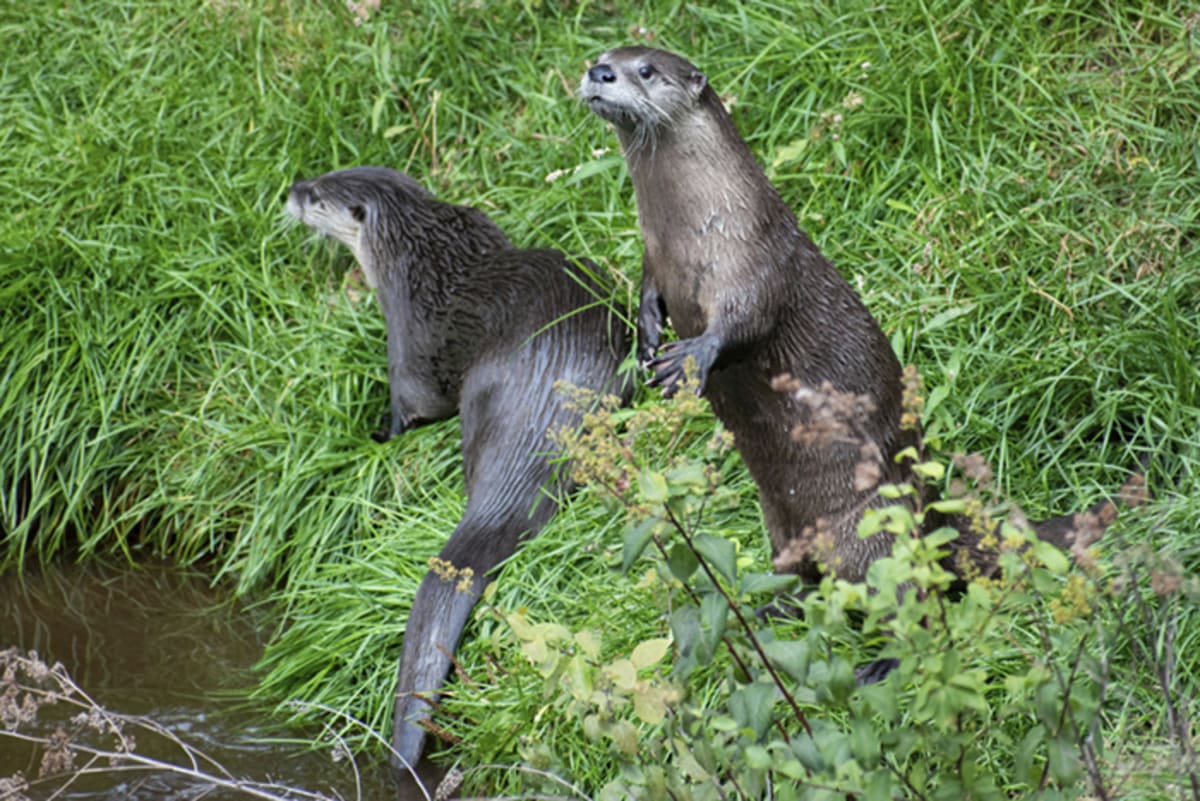
River Otters Make Major Comeback Across 40 U.S. States
After nearly disappearing from 75% of their historic range, North American river otters are thriving again thanks to a decades-long conservation effort that relocated over 4,000 otters to their old habitats. All states now report stable or growing populations of these playful aquatic mammals.
The whiskered, playful river otters that once vanished from three-quarters of America are splashing back into rivers and lakes across the country, and the comeback story is even better than scientists hoped.
For 300 years, things looked grim for North American river otters. European settlers trapped them relentlessly for their waterproof pelts, draining wetlands for farms and cities while pollution choked the waters that remained. By the mid-1900s, these charismatic mammals had disappeared from most of their original territory.
Then conservationists decided to fight back. Between 1976 and 2010, wildlife teams launched an ambitious rescue mission, carefully capturing over 4,000 otters from healthy populations and moving them to 23 states where they'd gone extinct. The relocated otters didn't just survive in their old homes—they flourished.
By 2016, researchers celebrated a milestone: every single state with river otters reported stable or increasing populations. The animals proved tougher and more adaptable than anyone expected, thriving even in areas scientists once considered too polluted or developed to support them.
"River otters can not only persist, but sometimes thrive in areas historically considered not pristine enough to support them," ecologists John Erb, Nathan Roberts and Chris Dwyer observed in 2018. Their resilience offers hope for other species struggling to adapt to a changing world.
These social animals do more than entertain us with their antics. They maintain healthy ecosystems by eating fish, crayfish and other prey, keeping populations balanced. Scientists even study their droppings to monitor parasites and overall freshwater health, making otters living indicators of how clean our rivers really are.
The Ripple Effect
The otter comeback shows what's possible when people commit to environmental restoration. Their return signals improving water quality that benefits countless other species, including humans who depend on clean freshwater. Forty states now have healthy enough populations to sustainably manage trapping, which provides crucial data for tracking otter numbers.
You can help keep this success story going. Simple actions like washing your car at commercial car washes (instead of driveways where soap runs into streams) and properly disposing of household chemicals protect the clean water otters need. Voting for leaders who support environmental protections like the Clean Water Act ensures future generations will also get to watch these playful mammals slide down riverbanks.
The otters proved they're fighters—and with our help, they'll keep winning.
Based on reporting by Google News - Conservation Success
This story was written by BrightWire based on verified news reports.
Spread the positivity!
Share this good news with someone who needs it