River Plants Keep Water High Despite 50% Flow Drop
Aquatic plants in Germany's Spree River are solving a water crisis naturally, raising water levels by 50 centimeters even as flow has dropped by half. This discovery offers hope for drought-stressed rivers worldwide.
Scientists have discovered an unexpected hero in the fight against drought: humble river plants that are keeping water levels steady even as climate change reduces river flow.
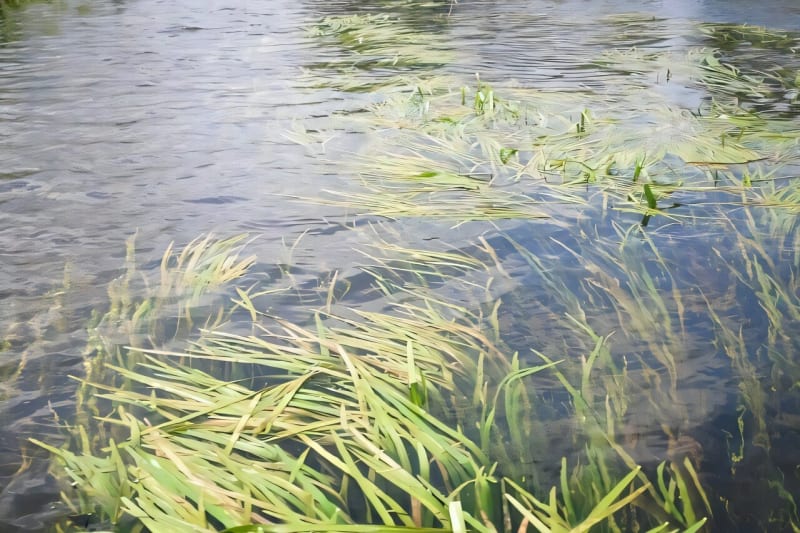
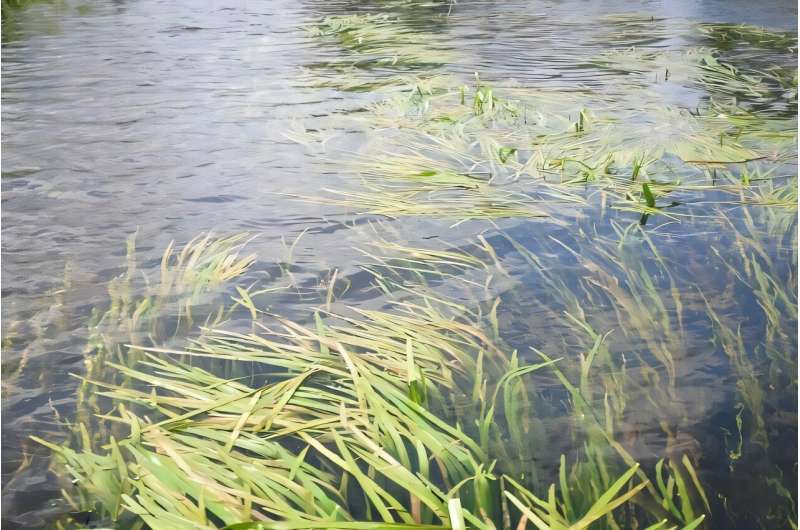
Researchers at Germany's Leibniz Institute studied decades of data from the Spree River near Berlin and found something remarkable. Dense aquatic plants have raised water levels by nearly two feet in recent summers, completely offsetting a dramatic 50% decline in water flow since the 1980s.
The plants work like natural dams. Their thick growth narrows the river channel and slows the water down, causing it to pool higher. But unlike artificial barriers, these living solutions only grow during the driest summer months when water is most scarce.
Dr. Jörg Lewandowski, who led the study, explained that the timing couldn't be better. The plants grow most between June and August, exactly when drought hits hardest. By 2038, the Spree is expected to carry 75% less water due to climate shifts and changes in mining operations, making this natural buffer even more valuable.
The benefits extend beyond the riverbed itself. The higher water level seeps into surrounding groundwater, storing up to 143% more water in floodplain areas. This underground reservoir helps stabilize nearby wetlands and prevents peat from breaking down, which would release stored carbon.
The Ripple Effect
This discovery could change how we manage rivers facing drought across the world. The plants create rich habitats for fish and invertebrates while solving water problems, unlike concrete solutions that harm ecosystems.
The research revealed something surprising about river maintenance too. Many water managers regularly mow aquatic plants, fearing they'll cause flooding. But flooding rarely happens in summer, and the plants die back naturally in winter when floods actually occur. Mowing in July eliminates the water-storing benefits for the rest of the season, while September mowing has no impact since plants are already dying.
The Spree's water shortage stems from the closure of massive coal mining operations and the creation of new mining lakes that increase evaporation. Yet nature found its own workaround, demonstrating that ecosystems can adapt to help us through climate challenges if we let them.
Other lowland rivers in temperate regions could benefit from similar plant-friendly management. The key is rethinking old assumptions about what "well-maintained" waterways should look like and recognizing that sometimes the best solution is simply letting nature do what it does best.
More Images
Based on reporting by Phys.org
This story was written by BrightWire based on verified news reports.
Spread the positivity!
Share this good news with someone who needs it