RMIT Converts CO2 Into Jet Fuel Building Blocks
Australian researchers have created a system that turns industrial carbon emissions into chemical building blocks for jet fuel, using less energy than existing methods. The technology is already being tested with industry partners and could reach commercial use within six years.
Scientists at RMIT University have developed a breakthrough system that transforms factory smoke into the raw materials for jet fuel, offering a practical path forward for one of the world's hardest industries to clean up.
The new technology combines two previously separate steps into one streamlined process, cutting energy waste and making carbon recycling simpler and cheaper. Unlike older methods that require highly purified carbon dioxide, this system works with real industrial exhaust just as it comes out of smokestacks.
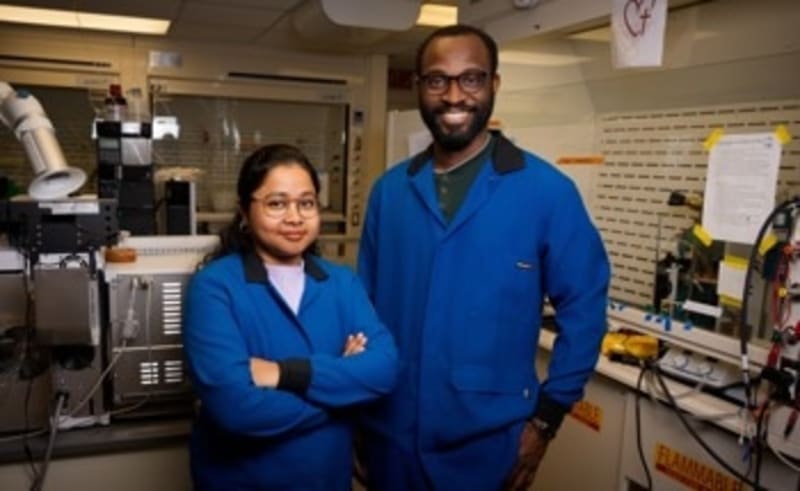
Distinguished Professor Tianyi Ma explains that traditional carbon conversion has been held back by treating each step separately, leading to higher costs and energy losses. By merging those steps, his team created a system practical enough for actual factories to use.
The technology doesn't produce jet fuel directly. Instead, it converts carbon dioxide into fundamental chemical building blocks that existing refineries can turn into low-emission jet fuel and other products normally made from fossil fuels.
Aviation remains one of the toughest sectors to decarbonize. Electric batteries can't power long-haul flights, and the world isn't producing nearly enough sustainable aviation fuel to meet demand.
The RMIT system offers an additional pathway to create the materials needed for cleaner jet fuel, especially near major industrial emission sources. Lead author Dr. Peng Li notes that reducing processing steps and energy demand while working with unpurified CO2 makes the system viable for real-world industrial environments.
Why This Inspires
The team isn't waiting to perfect the technology in isolation. They've already built a three-kilowatt prototype to test in industrial settings and are now developing a 20-kilowatt pilot system.
Seven industry partners are collaborating on pilot projects, including Viva Energy, Hart Bioenergy, and CO2CRC. This hands-on approach ensures the technology meets actual industry needs rather than just laboratory standards.
Doug Hartmann, Chief Executive of Hart Bioenergy, highlights that the innovation shows emissions reduction can work alongside cost efficiency. The system could benefit the environment without ignoring economic realities that make or break industrial adoption.
The researchers plan to create a 100-kilowatt demonstration system within five years and reach commercial readiness in approximately six years. This phased approach lets them validate performance, cost, and durability before broader deployment.
A spin-off company from RMIT is exploring commercial pathways with backing from industry collaborators and growing investor interest. Future work will focus on demonstrating larger-scale performance and evaluating applications for jet fuel, industrial chemicals, and carbon-based materials.
Professor Ma emphasizes realistic expectations, calling the technology one practical tool among many needed for the transition to cleaner fuels. The system helps industries reduce emissions while making use of existing infrastructure during that transition.
More Images



Based on reporting by Google News - Emissions Reduction
This story was written by BrightWire based on verified news reports.
Spread the positivity!
Share this good news with someone who needs it