Roadkill Becomes Science Tool, Spares Live Animal Testing
Scientists have found 117 ways to use roadkill for research instead of trapping live animals. The unexpected solution turns tragedy into ethical scientific progress.
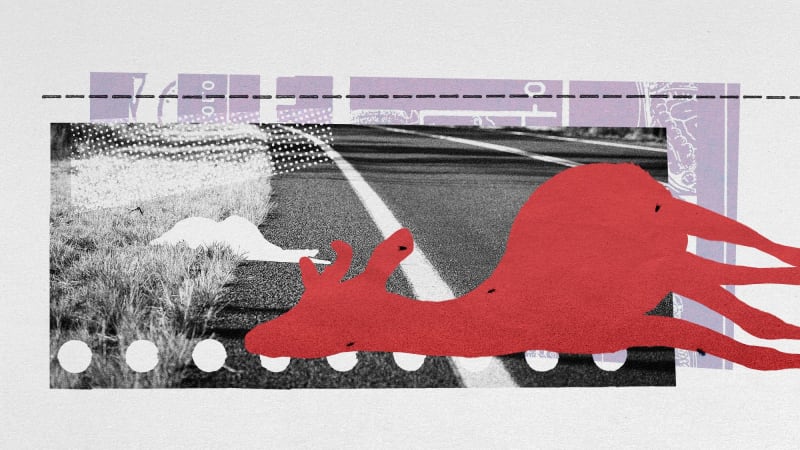
Every year, millions of animals die in vehicle collisions, but scientists have discovered how to give these losses new purpose. Researchers can now use roadkill as an ethical alternative to capturing and testing live wildlife.
A study in Biology Letters identified 117 different uses for roadkill across scientific projects. Scientists have successfully used these findings to map where species live, monitor diseases, study animal diets, track invasive species, and even discover animals previously unknown to science.
The method makes fieldwork easier for researchers studying hard to find species. "You don't just trip across them as you're walking," explained lead researcher Christa Beckmann. Finding dead animals on roads often proves simpler than tracking living ones through their habitats.
Several lizard and rodent species were first discovered as roadkill samples. Scientists have used deer carcasses to attract eagles for observation studies. One paleontologist even photographed repeatedly run over remains to teach students about fossilization processes.
The Bright Side
Roadkill research aligns perfectly with global animal research ethics known as the 3Rs: refinement, replacement, and reduction. These principles aim to minimize animal suffering and protect wild populations while advancing science.
Genetic sampling becomes stress free for animals when scientists can collect DNA from roadkill instead of trapping live specimens. No handling means no trauma for wildlife populations already facing environmental pressures.
Researchers still need permits to collect carcasses safely. Dead animals can harbor diseases transmissible to humans, requiring protective gear and proper handling protocols. Traffic safety also demands precautions like reflective clothing when collecting samples near busy roads.
The approach addresses a painful reality in car dependent societies. While vehicles continue pushing some species toward extinction through collisions, scientists can now extract valuable conservation data from these unavoidable losses.
Using roadkill wisely helps drive scientific discovery forward rather than letting crucial information decompose unused by the roadside.
More Images


Based on reporting by Google: scientific discovery
This story was written by BrightWire based on verified news reports.
Spread the positivity!
Share this good news with someone who needs it