Robot Dog Helps Medics Save Lives on Battlefield
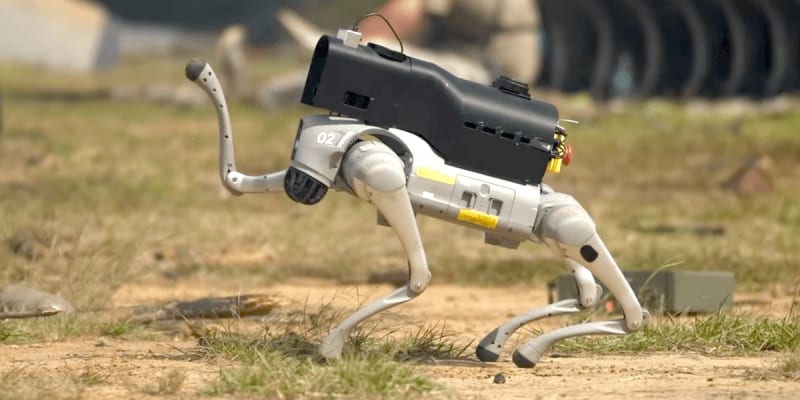
A four-legged robot is now helping military medics identify the most critically injured soldiers faster during chaotic battlefield situations. DARPA's new technology could mean the difference between life and death when every second counts.
When multiple soldiers are injured in combat, medics face an impossible challenge: figuring out who needs help first when everyone needs help now.
DARPA is testing a quadruped robot that works alongside human medics to assess injuries and prioritize treatment during battlefield triage. The robot helps medical teams quickly identify which patients have the most critical, life-threatening conditions when they're overwhelmed with casualties.
The technology represents a major shift in how military medicine could work in combat zones. Instead of replacing human judgment, the robot acts as an extra set of eyes and sensors, gathering vital information that helps medics make faster, more informed decisions under pressure.
During recent field tests, the four-legged robot demonstrated its ability to move through challenging terrain while collecting patient data. It can reach injured soldiers in areas that might be dangerous or difficult for human medics to access immediately.
The system is part of DARPA's Triage Challenge, which brings together robotics researchers and military medical experts to solve real-world problems. Teams are developing technologies that can assess multiple patients simultaneously, flagging those who need immediate intervention to survive.
The Ripple Effect
This breakthrough extends far beyond military applications. Emergency responders dealing with mass casualty events like natural disasters, building collapses, or major accidents face the same overwhelming triage decisions that battlefield medics encounter.
The robot-assisted triage system could eventually help first responders at any large-scale emergency scene. Firefighters, paramedics, and disaster relief teams could use similar technology to save more lives when they're faced with more victims than they can immediately assess.
The collaboration between robotics engineers and medical professionals is creating tools that enhance human capabilities rather than replace them. These robots aren't making life-or-death decisions on their own—they're giving the humans who make those decisions better information, faster.
Why This Inspires
What makes this technology truly hopeful is how it emerged from listening to real medics describe their most difficult moments. The researchers didn't just build a cool robot—they built a solution to a problem that keeps combat medics up at night.
The quadruped design allows the robot to navigate rubble, mud, and uneven ground that would stop a wheeled robot. It can work in extreme conditions, from desert heat to arctic cold, going wherever injured people need help.
As testing continues, the technology is getting smarter and more reliable, moving closer to real-world deployment where it could start saving lives.
This is what happens when cutting-edge robotics meets genuine compassion—innovation that doesn't just push technology forward, but pulls humanity forward with it.
More Images
Based on reporting by IEEE Spectrum
This story was written by BrightWire based on verified news reports.
Spread the positivity!
Share this good news with someone who needs it