Robot Dogs and Drones Now Patrol China's Metro Stations
Hefei, China just deployed humanoid assistants, four-legged robots, and drones to help passengers and inspect trains during one of the busiest travel periods of the year. It's the country's first full-space robot cluster for public transit, designed to support staff and make metro travel safer.
Picture this: you're rushing to catch a train during the holiday travel rush, and instead of searching for station staff, a friendly humanoid robot points you in the right direction.
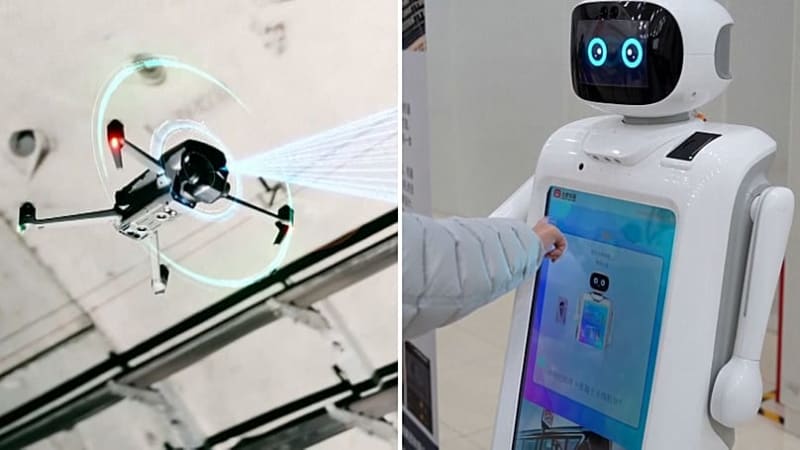
That's exactly what happened in Hefei, China, where commuters were greeted by an entire team of robotic helpers during the Spring Festival travel period. Humanoid assistants answered questions at stations while four-legged robot dogs patrolled platforms, and drones flew overhead monitoring safety.
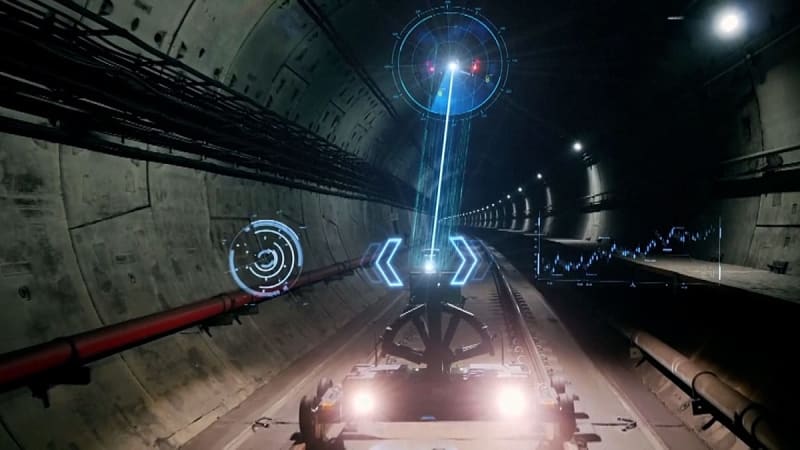
This marks China's first full-space robot cluster for rail transit. The system works across three main areas: helping passengers inside stations, inspecting trains, and checking tunnel infrastructure.
"We hope it can assist human staff, improve our work efficiency, and reduce work intensity to empower Hefei's rail transit operations through technology," said Dai Rong, director of the Science and Education Center at Hefei Rail Transit. The robots aren't replacing humans but working alongside them to handle repetitive and dangerous tasks.
The real innovation happens underneath the trains. Autonomous inspection robots navigate narrow 1.5-meter-deep maintenance trenches, using high-definition cameras and ultrasonic sensors to scan wheels, bolts, and other critical components. When they detect cracks or loose parts, they flag issues immediately, turning hours-long inspections into minutes.
The Ripple Effect: This technology could transform how cities worldwide maintain public transportation. Manual safety inspections are time-consuming and can miss tiny defects that grow into bigger problems. By catching issues early, these robots help prevent breakdowns and accidents before they happen.
The team is already planning upgrades. "In the future, we aim to build this platform using large AI model technologies to provide these robot dogs and drones with a better central brain for control," said Luo Lei, a senior supervisor at the center. Better AI means the robots will get smarter at spotting problems and responding to unusual situations.
The system is designed to assist rather than replace human workers, but it's already proving its worth. During one of the year's busiest travel periods, these mechanical helpers kept stations running smoothly while human staff focused on more complex passenger needs.
Other cities are watching closely. As urban populations grow and public transit systems strain under demand, Hefei's robot team offers a glimpse of how technology can make commutes safer and more efficient for millions of people.
What started as a pilot program during holiday rush hour might just be the beginning of smarter, safer public transportation everywhere.
More Images

Based on reporting by Euronews
This story was written by BrightWire based on verified news reports.
Spread the positivity!
Share this good news with someone who needs it