Robot Dogs Clean UK's Most Dangerous Nuclear Site
Four-legged robots are now doing the jobs too dangerous for humans at Sellafield, one of the world's most complex nuclear facilities. The innovation is accelerating cleanup while keeping workers safe from radiation exposure.
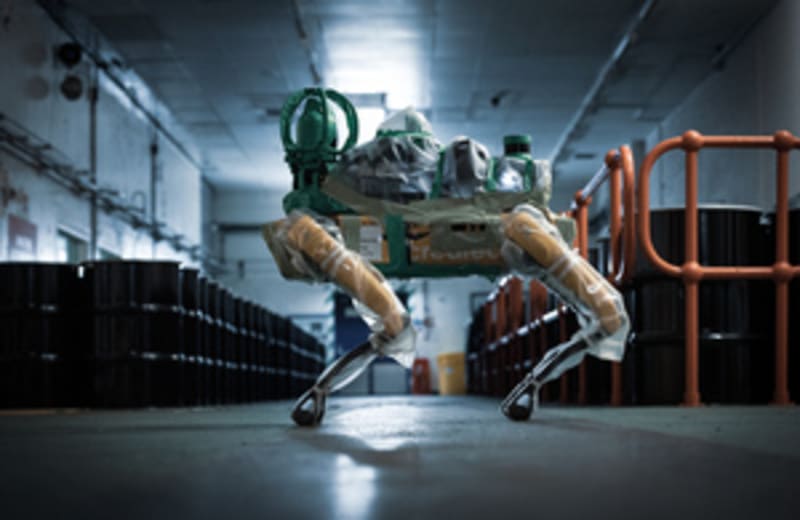
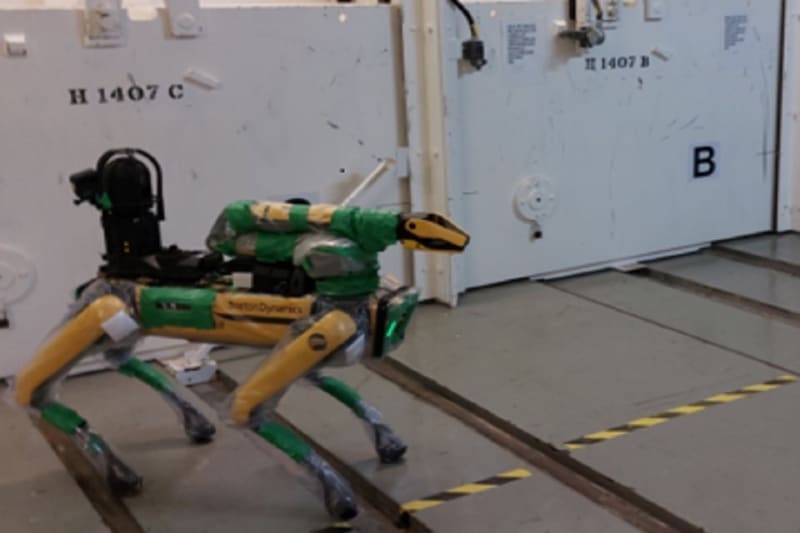
Imagine a place so hazardous that sending in a human worker requires layers of protective gear, strict time limits, and constant health monitoring. At Sellafield, one of the world's most complex nuclear sites, robot dogs named Spot are now taking those risks instead.
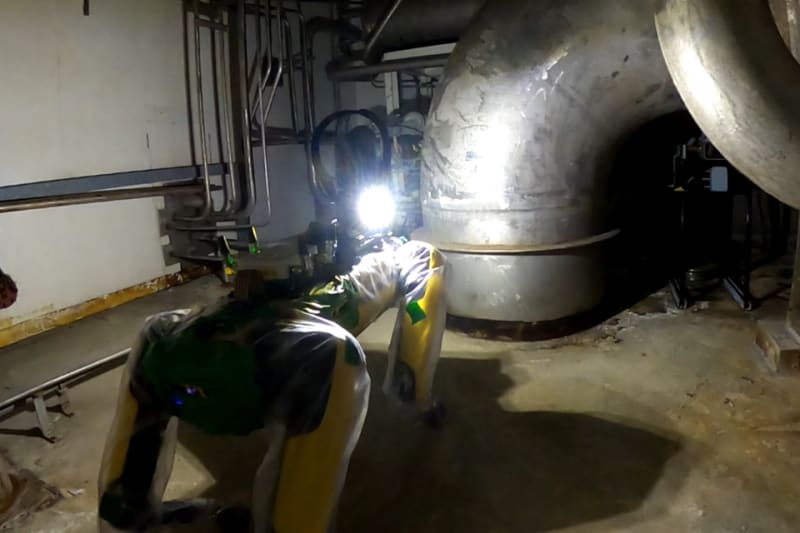
The UK facility has deployed four-legged robots to speed up the massive job of decommissioning old nuclear buildings. These mechanical helpers venture into areas filled with radiation and industrial hazards where human exposure needs to be minimized.
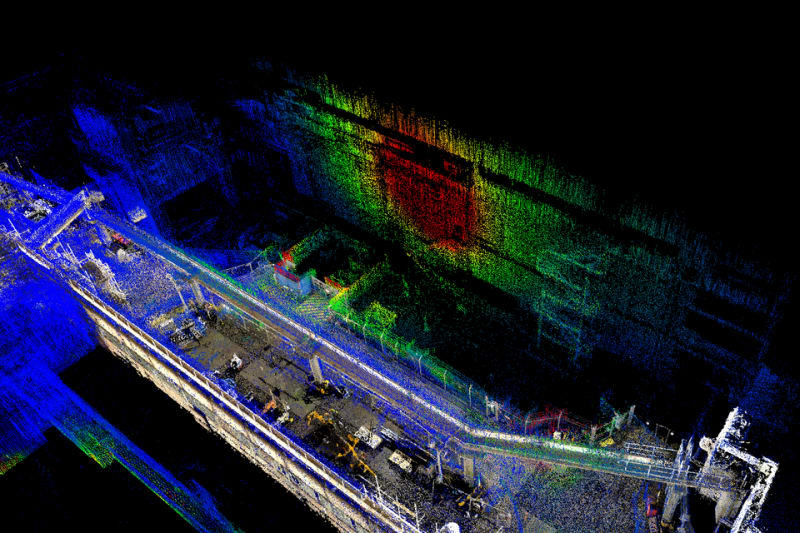
Spot robots can climb stairs, navigate rough terrain, and capture 360-degree images while measuring radiation levels. They perform routine mapping, collect data through 3D scanning, and stream live information to operators working safely from remote locations.
The technology transforms what used to be risky, time-consuming inspections. Where human workers could only spend limited time in hazardous zones, robots can work much longer without breaks or protective equipment that later becomes radioactive waste.
Each robot comes equipped with advanced sensors for gamma and alpha radiation detection, environmental monitoring, and detailed photographic capture. Operators can now make faster, better-informed decisions using high-quality, real-time data from anywhere.
The breakthrough came through collaboration between Boston Dynamics (Spot's original developer), Createc (who customized the robots for nuclear work), and AtkinsRéalis (providing systems integration). The UK's Robotics and Artificial Intelligence Collaboration programme helped test and refine the technology before deployment.
The Ripple Effect
This innovation does more than protect individual workers. By reducing the need for protective equipment, Sellafield is cutting down on contaminated waste that requires careful disposal. The consistent, repeatable inspections also mean better data quality for the entire decommissioning process.
As more nuclear facilities worldwide face similar cleanup challenges, the Sellafield model shows how robotics can transform dangerous work. The Nuclear Decommissioning Authority sees this as the future of making nuclear sites safe again.
The robots are already working in active cells, proving their worth in real-world conditions. As decommissioning progresses and more facilities require surveillance, these four-legged helpers will become even more valuable.
Technology that keeps people out of harm's way while accelerating crucial safety work is exactly the kind of innovation worth celebrating.
More Images
Based on reporting by Google: robotics innovation
This story was written by BrightWire based on verified news reports.
Spread the positivity!
Share this good news with someone who needs it