
Robot Dogs Inspect Radioactive UK Nuclear Site
Four-legged robots now roam one of the world's most hazardous nuclear sites, keeping human workers safe while speeding up a massive cleanup operation. Sellafield's robotic helpers can go where humans shouldn't, gathering critical data without anyone needing protective gear.
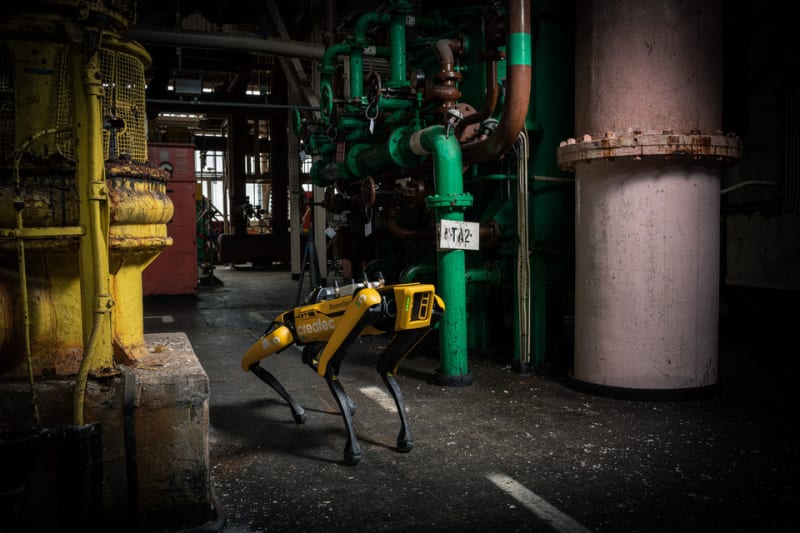
At Sellafield, one of the world's most complex nuclear facilities, robot dogs named Spot now walk into rooms too dangerous for humans.
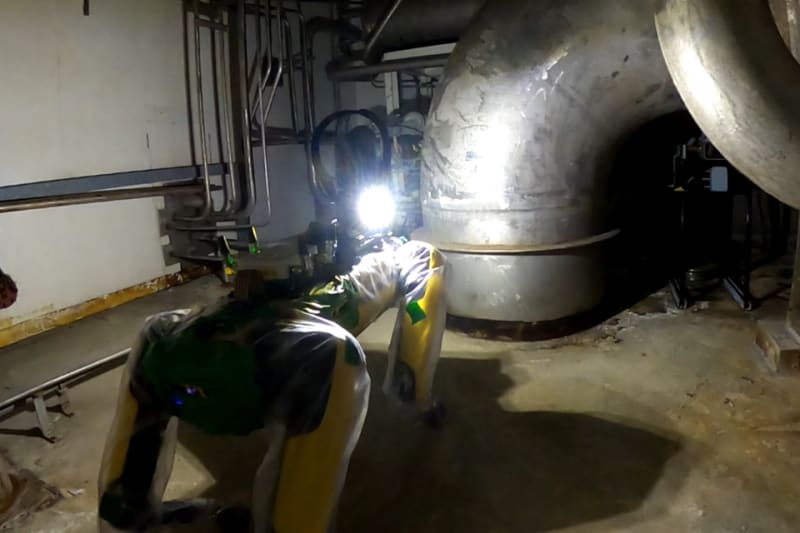
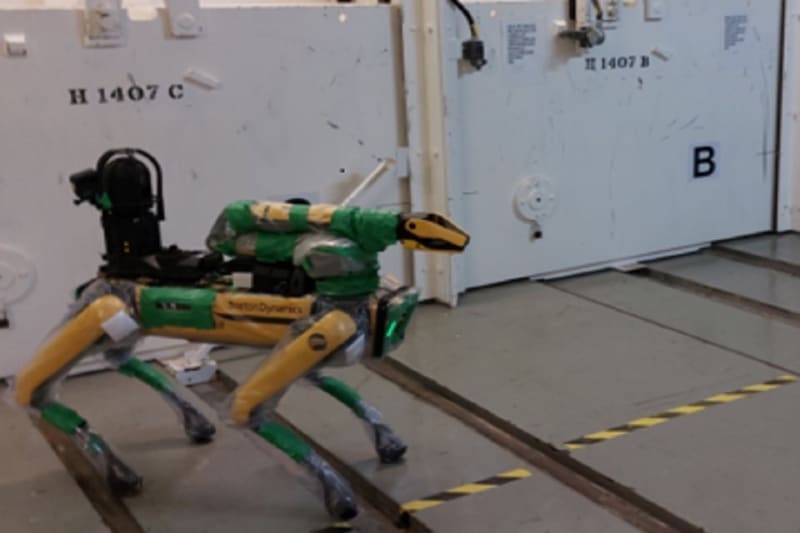
The UK nuclear site has deployed four customized robots over the past two years to inspect areas with high radiation levels. These four-legged machines navigate stairs, rough terrain, and confined spaces that would put human workers at serious risk.
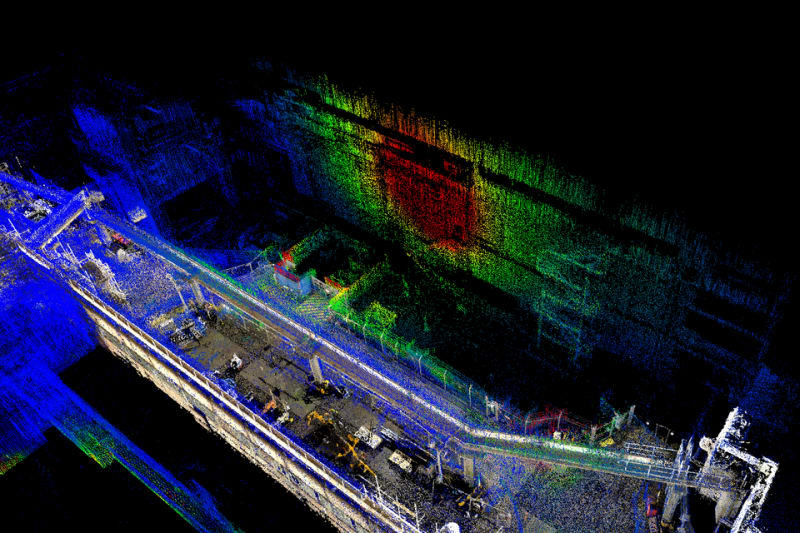
Spot carries sophisticated sensors that capture 360-degree images, create 3D maps using laser scanning, and measure radiation levels. Controllers operate the robots remotely from safe locations, receiving live video feeds and environmental data in real time.
The robots handle routine inspection work that previously required people to suit up in layers of protective equipment and limit their time in hazardous zones. Now these areas can be monitored for much longer periods without risking anyone's health.
Sellafield partnered with Boston Dynamics, which created the original Spot platform, plus several UK technology companies to adapt the robots for nuclear work. The modifications included radiation-resistant systems and specialized data collection tools.
The team also worked with the UK Atomic Energy Authority and Nuclear Decommissioning Authority to test the robots in realistic conditions before deploying them in active facilities. Engineers trained operators and developed safety protocols to ensure smooth integration into daily operations.
The robots have been inspecting hard-to-reach areas and gathering environmental data to support the site's ongoing decommissioning work. As more facilities require surveillance in the coming years, the robotic fleet will likely expand.
The Ripple Effect
Beyond keeping workers safer, these robot inspectors are transforming how nuclear cleanup happens. They work faster than human teams, reduce the mountains of disposable protective equipment that becomes contaminated waste, and provide better data for decision-making.
Experts anywhere in the world can now review high-quality scans and measurements from Sellafield's most dangerous areas without traveling to the site or entering risky zones. This speeds up the entire decommissioning process while maintaining rigorous safety standards.
The collaboration between government agencies, universities, and private companies shows how innovation can tackle problems that seemed unsolvable just a few years ago. What started as experimental technology has become an essential tool in one of the industry's most challenging projects.
Sellafield's success with robot dogs is already inspiring similar applications across other nuclear facilities, proving that the right technology can protect both workers and the environment while getting critical work done.
More Images
Based on reporting by Google: robotics innovation
This story was written by BrightWire based on verified news reports.
Spread the positivity!
Share this good news with someone who needs it