Robot Draws Blood with 94.5% Success Rate in Major Trial
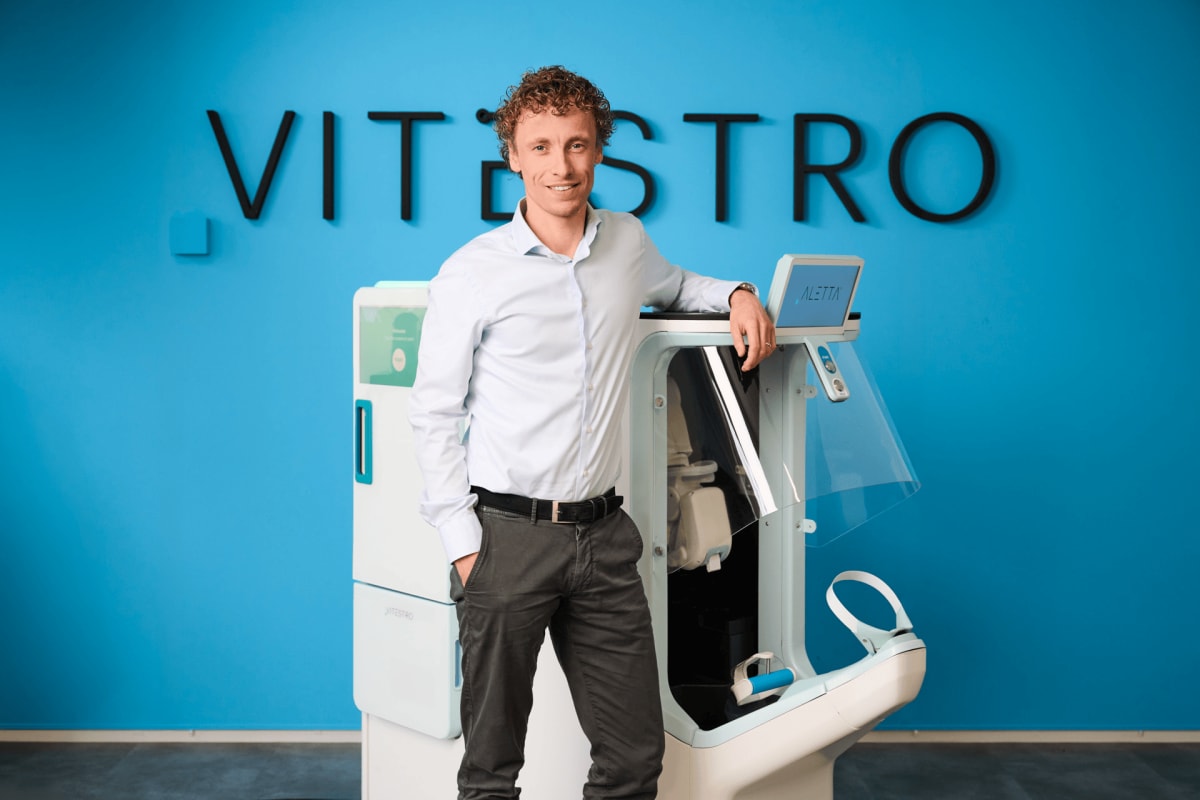
A robot that can draw blood on its own just proved it works as well as human nurses, giving hope to millions who dread needles. The device called Aletta succeeded on the first stick 94.5% of the time across 1,633 patients.
Getting your blood drawn might soon be less stressful, thanks to a robot that just aced its biggest test yet.
Vitestro's autonomous robotic phlebotomy system, Aletta, successfully drew blood from patients in a multicenter clinical trial published in Clinical Chemistry. The study marks the first peer-reviewed evaluation of a fully autonomous blood-drawing robot in routine clinical practice.
Researchers tested Aletta on 1,633 patients across several healthcare institutions in the Netherlands and the Mayo Clinic in Rochester, Minnesota. When the device found a suitable vein, it achieved a 94.5% first-stick success rate, matching or exceeding typical human performance.
The robot proved especially helpful for patients who usually struggle with blood draws. It succeeded 97.4% of the time in patients with high body mass index, 92.7% in those with self-reported difficult veins, and 93.4% in elderly patients over 65.
Safety results were equally impressive. The hemolysis rate (when blood cells break down) was just 0.3%, lower than what typically happens with manual blood draws. Only 0.6% of patients experienced adverse events, and all were mild.
The Bright Side
For the 90% of patients who reported feeling less or similar pain compared to manual blood draws, this technology could transform a dreaded medical necessity into something far less stressful. And 82% of patients said they'd prefer or wouldn't mind using the robot for future blood draws.
The consistency matters beyond patient comfort. "Aletta introduces a standardized approach to diagnostic blood collection, with the potential to reduce variability, improve sample quality, and support more reliable diagnostic outcomes," says Dr. Thijs van Holten, clinical chemist at St. Antonius Hospital.
For laboratories facing staffing shortages and the need for round-the-clock service, autonomous phlebotomy could fill critical gaps. The technology uses multimodal imaging to locate veins, reducing human error and ensuring every blood draw follows the same proven protocol.
Dr. Robert de Jonge, professor and head of laboratory medicine at Amsterdam University Medical Center, calls the study "a significant milestone" that will help build confidence in this new approach to care delivery.
This breakthrough could mean shorter wait times, more consistent results, and a gentler experience for millions of patients who need regular blood testing.
More Images

Based on reporting by Google News - Clinical Trial Success
This story was written by BrightWire based on verified news reports.
Spread the positivity!
Share this good news with someone who needs it