Robot Exoskeleton Helps ICU Patients Walk After Surgery
A walking robot is helping surgery patients stand and move within days of their operation, when most can't even stand for a minute without help from multiple nurses. The first patient just started using it at a top Boston hospital.
📺 Watch the full story above
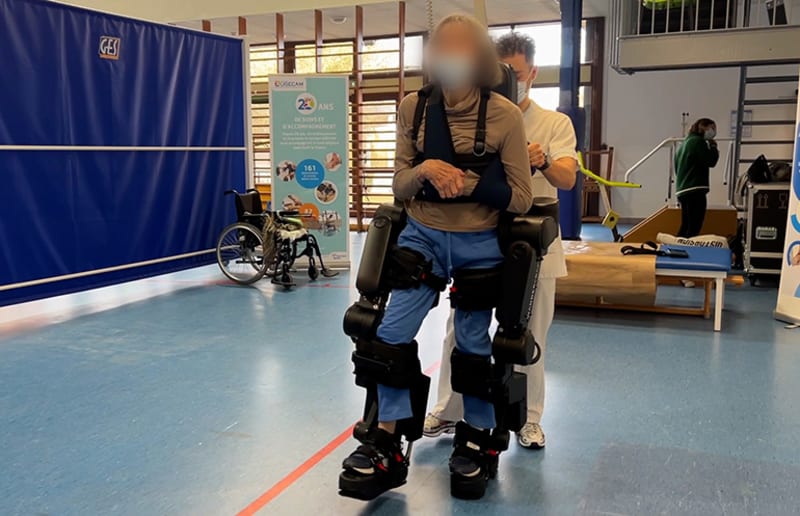
Surgery patients at Brigham and Women's Hospital in Boston are getting back on their feet faster thanks to a self-balancing robotic exoskeleton that lets them walk without crutches or walkers.
The first patient just enrolled in a groundbreaking trial testing whether the Atalante X exoskeleton can safely help people move around intensive care units right after thoracic surgery. Most of these patients can't stand for even a minute without two or more healthcare workers supporting them.
Those first few days after surgery are the hardest time to get patients moving. But even just a few minutes standing upright can strengthen their heart and lungs, stabilize vital signs, preserve muscle, and boost their spirits.
"Early mobilization is one of the most effective and underused tools we have to improve outcomes after thoracic surgery," said Dr. Raphael Bueno, chief of thoracic surgery at the hospital. "This trial allows us to explore whether an exoskeleton can help us mobilize patients earlier, safer, and more consistently."
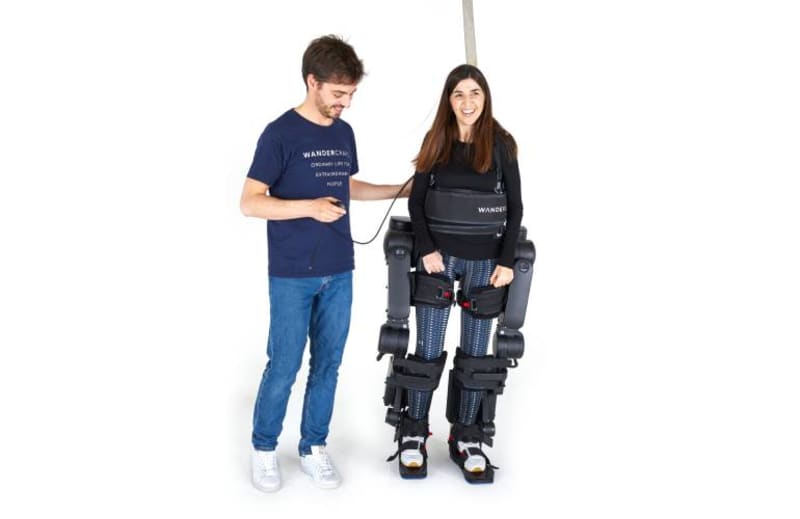
The Atalante X stands out because patients don't need to grip crutches or lean on walkers. The FDA-approved device has 12 powered joints at the hips, knees, and ankles that balance itself while helping people walk, stand, and relearn natural movement patterns from their very first session.
Wandercraft, the Paris company behind Atalante X, designed it specifically for people with complex conditions or limited upper body strength. The device is already approved for people with spinal cord injuries, stroke-related paralysis, and multiple sclerosis.
The six-month study will track safety, how well the device works in real hospital conditions, how easy it is for staff to use, and whether patients actually get stronger. Patients will use the exoskeleton twice a week until they leave the ICU.
The Ripple Effect
More than 100 research and rehab centers worldwide already use Atalante X, with patients taking a million steps per month combined. Hospitals like Good Shepherd Rehabilitation and Georgia Tech are seeing results across many different patient groups.
Meanwhile, Wandercraft is testing Eve, the world's first self-balancing exoskeleton designed for home use. Clinical trials started this year, with plans to make it available to the public soon so people with mobility challenges can walk in their everyday lives, not just in hospitals.
For many people who thought walking without assistance was impossible, these robots are opening doors that once seemed permanently closed.
More Images


Based on reporting by The Robot Report
This story was written by BrightWire based on verified news reports.
Spread the positivity!
Share this good news with someone who needs it