Robot Eye Mimics Nature to See in Extreme Light
Scientists created a robot eye that adjusts its pupil like a living creature, solving a major problem for self-driving cars and drones. The liquid metal design improved machine vision accuracy by 22% in harsh lighting.
Robots are about to see the world the way we do, thanks to a breakthrough eye that automatically adjusts to changing light.
Self-driving cars and drones have always struggled with one critical problem: lighting. When a car enters a dark tunnel and suddenly exits into bright sunlight, its camera gets blinded by the glare, creating a dangerous gap in what it can see.
Researchers just solved this by taking a page from nature's playbook. They created an artificial eye that mimics how living creatures adapt to light, complete with a pupil that opens and closes on its own.
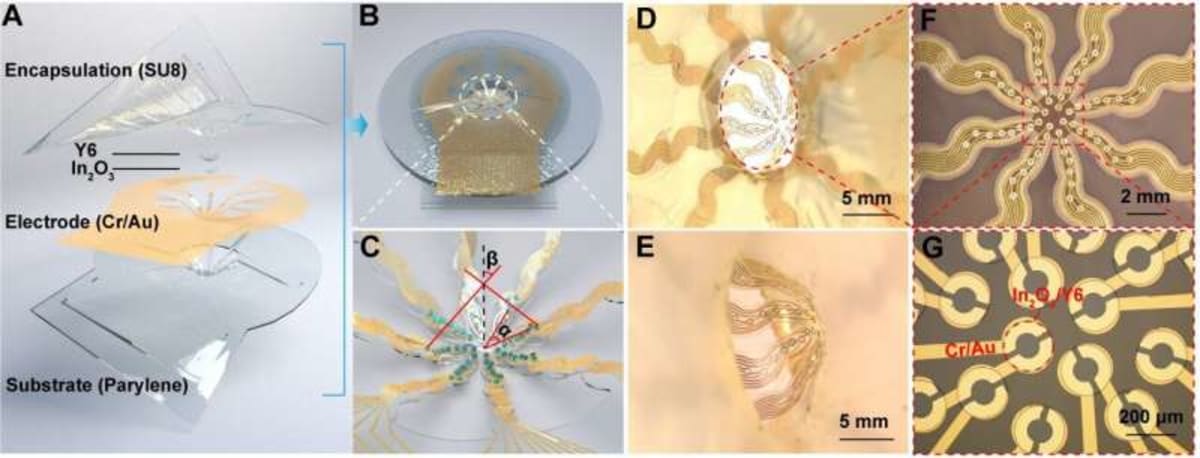
The team built a curved imaging sensor shaped like a real eyeball, very different from the flat sensors in standard cameras. This hemispherical design gives the system an ultrawide view and can detect everything from ultraviolet to infrared light.
The real innovation lies in how the pupil responds. The researchers used a liquid metal called EGaIn that flows through tiny channels filled with a saltwater solution. When light hits the sensors, it creates electrical signals that make the metal spread or retract, just like a real pupil.
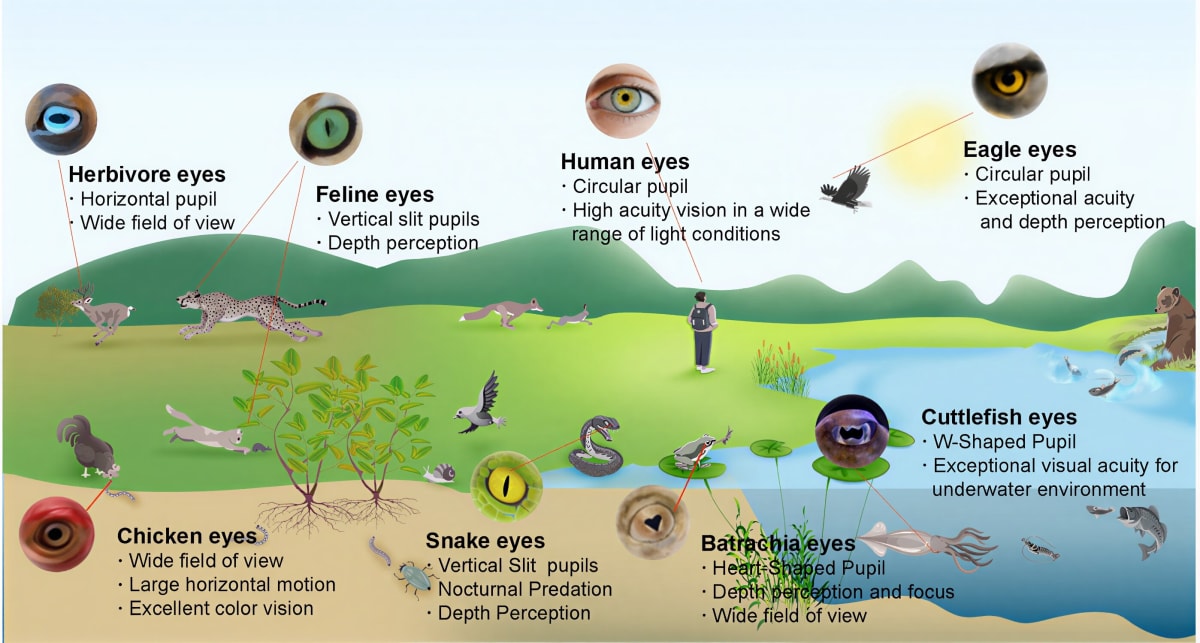
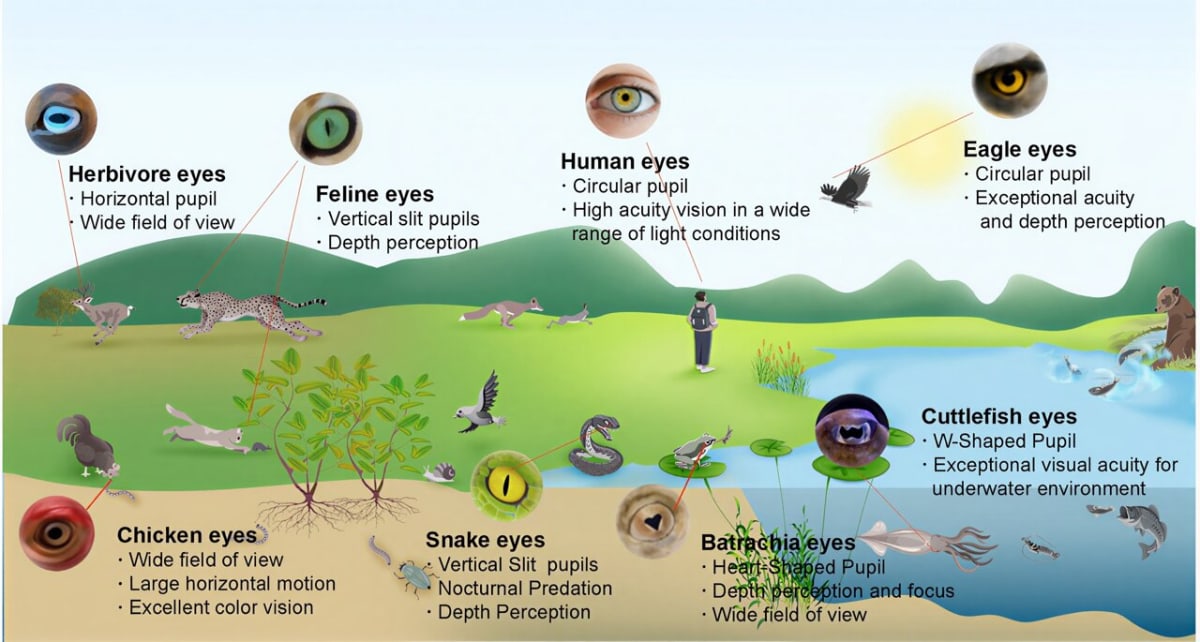
Bright light triggers more frequent signals, causing the liquid metal to cover more of the opening and reduce glare. In dim conditions, the signals slow down and the metal pulls back to let in more light. Because it's liquid, the pupil can even form different shapes, like the vertical slits of a cat's eye.
Why This Inspires
The results speak for themselves. With a fixed pupil, the system recognized images with 68% accuracy in harsh lighting. Turn on the adaptive pupil, and accuracy jumped to nearly 84%.
This isn't just about better robot vision. It means safer self-driving cars that won't lose sight when entering tunnels or facing sudden glare. It means drones that can navigate seamlessly from shadow to sunlight. It means machines that interact with our world more naturally.
The current version is a proof of concept, and the team is already working to make it smaller and more versatile. They're exploring even more complex pupil designs inspired by different species.
Nature spent millions of years perfecting vision, and now that wisdom is helping machines see our world more safely.
More Images
Based on reporting by Phys.org - Technology
This story was written by BrightWire based on verified news reports.
Spread the positivity!
Share this good news with someone who needs it