Robot Finds Lost Items 30% Faster Using Common Sense
A new robot from Germany doesn't just see objects, it understands where you'd actually leave your missing glasses. This breakthrough could transform how robots help us at home and in factories.
Losing your keys or glasses might soon become a problem of the past, thanks to a robot that thinks more like a human than a machine.
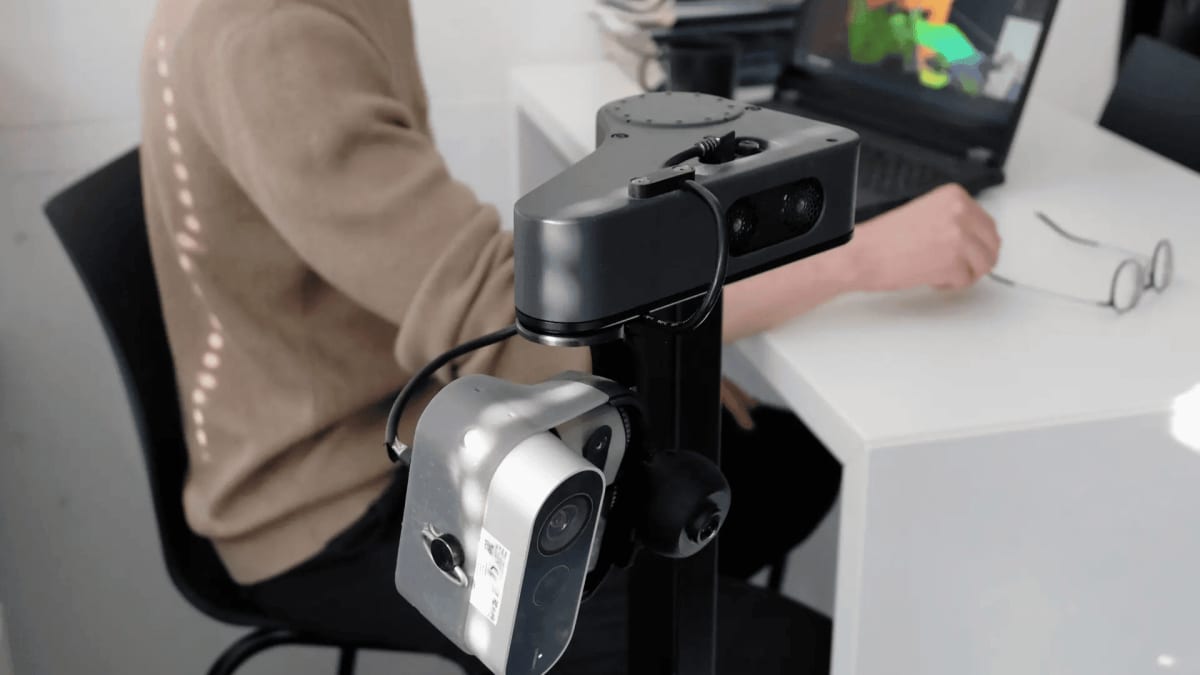
Researchers at the Technical University of Munich created a robot that solves one of everyday life's most frustrating moments: searching for misplaced items. Unlike older robots that wander aimlessly, this one uses a 3D camera to map rooms down to the centimeter, then applies common sense to figure out where you probably left something.
The secret ingredient is a language model that gives the robot human-like reasoning. It knows your glasses are likely on a table or windowsill, not inside the refrigerator. That simple logic makes the robot 30% more efficient at searching than previous models.
Professor Angela Schoellig, who leads the Learning Systems and Robotics Lab behind the project, says the team taught the robot to truly understand its surroundings. The robot also has an impressive memory, comparing what it sees now to earlier observations. When a new object appears on the kitchen counter, the robot notices with 95% accuracy and marks it as a likely spot for missing items.
Why This Inspires
This technology shows how artificial intelligence can solve real problems without replacing human intuition. Instead of making us more dependent on screens and searches, it handles the boring stuff so we can focus on what matters.
The applications go far beyond finding your phone. Factories with constantly changing layouts could use these robots to track tools and parts. Hospitals might deploy them to locate medical equipment quickly. Elderly people living alone could get help finding everyday items without asking for assistance.
The research team is already planning the next step: teaching the robot to open drawers and cabinets. That requires even more sophistication, since the robot will need to figure out whether doors slide, swing, or pull open. It's a small detail that could unlock entirely new possibilities for helpful robots in our homes.
For now, this breakthrough represents something bigger than just a lost-and-found assistant. It's proof that robots are learning to navigate the messy, unpredictable world we actually live in, not just the controlled environments of research labs.
Based on reporting by Google: robotics innovation
This story was written by BrightWire based on verified news reports.
Spread the positivity!
Share this good news with someone who needs it