Robot Floor Cleaners Now Deploy 300% Faster with New AI
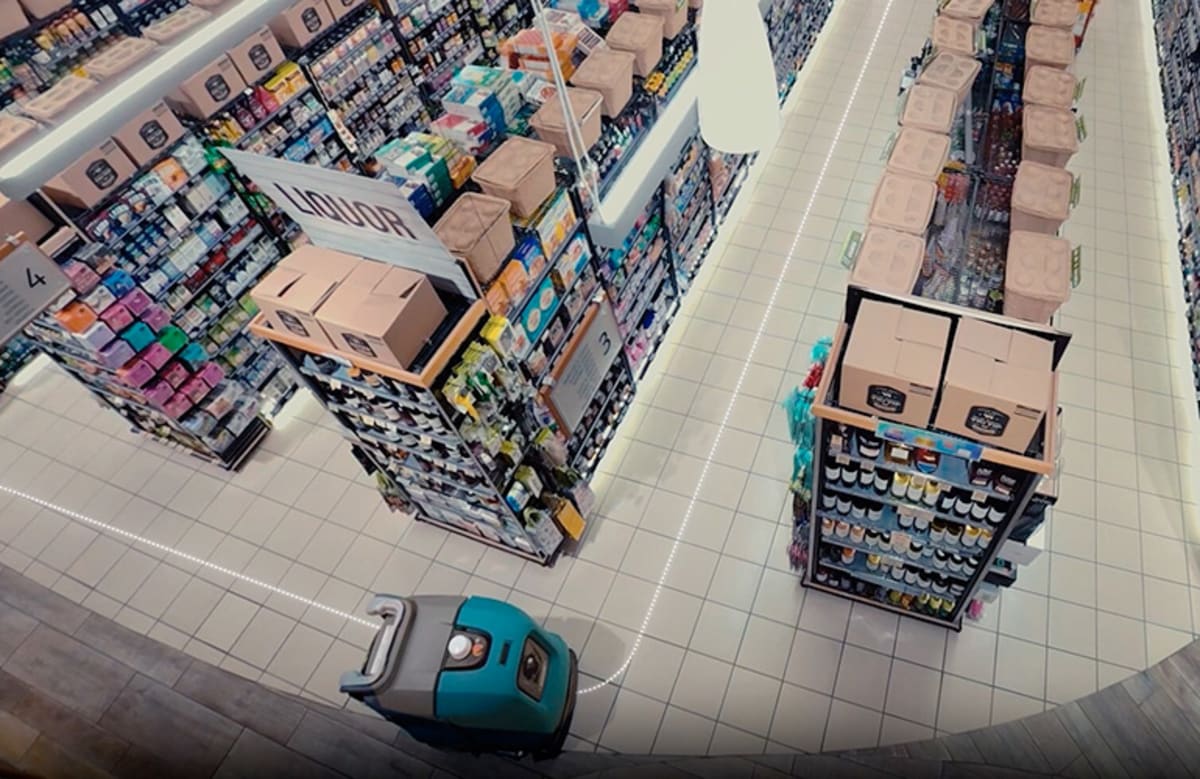
Cleaning robots just got smarter, learning to navigate warehouses and stores on their own without any human training. The breakthrough could transform how businesses keep massive facilities spotless while freeing up staff for more meaningful work.
📺 Watch the full story above
Imagine a robot that learns your building's layout by itself, figures out the best cleaning route, and adapts when someone moves a pallet or blocks an aisle.
That's exactly what Brain Corp just made possible with BrainOS Clean 2.0, a software update rolling out to Tennant Company's fleet of robotic floor cleaners. The new system uses something called SelfPath AI to let robots independently map and navigate commercial spaces without anyone having to manually program their routes.
The impact is already showing up in real numbers. Early deployments reveal robots are covering 22% more floor space by creating smarter, less repetitive cleaning paths. They're also 55% better at handling the unexpected, like rerouting around a suddenly blocked aisle without needing human help.
But the biggest win might be speed. Facilities can now get their robot fleets up and running three times faster because nobody has to spend hours walking robots through every hallway and corner. When the environment changes, like when a store rearranges its aisles, the robots simply adapt on their own.
"Our customers operate in dynamic environments that evolve constantly, and their cleaning technology needs to keep pace," said Pat Schottler, senior vice president of Tennant Company Robotics. The partnership between Brain Corp and Tennant is putting this technology into warehouses, retail stores, and other large commercial spaces that need constant cleaning.
The robots build what Brain Corp calls a "contextual understanding" of their surroundings. They know where to charge themselves, when to run based on facility schedules, and which areas matter most. When something blocks their path, they instantly find another route instead of stopping and waiting for help.
The Ripple Effect
This kind of breakthrough does more than just clean floors more efficiently. By removing the tedious setup work and constant supervision that used to bog down robot deployments, facilities can redirect their human staff to tasks that actually need a personal touch, like customer service or skilled maintenance work.
The technology also makes advanced robotics accessible to more businesses. When deployment takes days instead of weeks and robots can handle changing environments without constant reprogramming, the barrier to adoption drops significantly. That means more facilities can benefit from automation without needing specialized robotics expertise on staff.
One software update is helping robots work smarter so people can work better.
More Images
Based on reporting by The Robot Report
This story was written by BrightWire based on verified news reports.
Spread the positivity!
Share this good news with someone who needs it