Robot Helper Gives Paralyzed Users Independence at Home
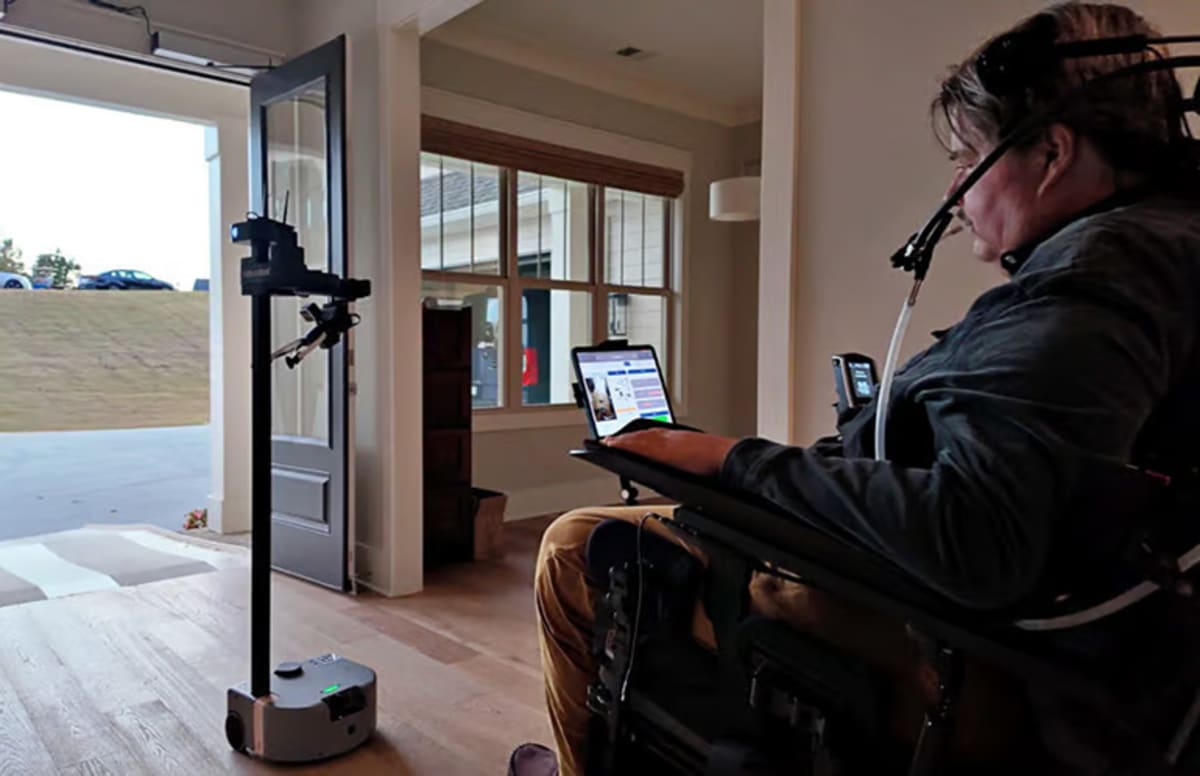
People with severe mobility impairments can now use their phones to control a robot that brings them water, helps them eat, and closes blinds. The World Economic Forum just recognized the California company behind this life-changing technology.
📺 Watch the full story above
Imagine being unable to get yourself a glass of water, then regaining that simple freedom through a robot you control with your phone.
That's the reality for people with quadriplegia who are testing Stretch, a mobile robot designed by Hello Robot in Martinez, California. The World Economic Forum just named the company a 2026 Technology Pioneer, recognizing how it's transforming lives rather than just showing off flashy tech demos.
Founded in 2017 by Aaron Edsinger and Charlie Kemp, two robotics veterans from MIT, Google, and Georgia Tech, Hello Robot took a different approach than most companies in the field. Instead of building robots that perform spectacular stunts for cameras, they focused on creating one that could quietly help real people with everyday tasks.
Stretch rolls up to users in their homes and responds to commands from a mobile phone app. It can fetch drinks, assist with feeding, close window blinds, and handle other daily activities that many of us never think twice about. For someone with severe mobility limitations, these aren't minor conveniences. They represent profound gains in independence and dignity.
The robot is already working at hundreds of research labs, universities, and companies. But the most meaningful deployments are happening in homes where people with spinal cord injuries and other disabilities are piloting the technology.
Why This Inspires
The World Economic Forum selects just 100 Technology Pioneers each year from startups worldwide. This year's robotics winners share a common thread: they're designed to work alongside people, not just impress them.
"The robotics world has spent years wowing us with highlight reels of machines doing the extraordinary," said Edsinger, Hello Robot's CEO. "What's been missing from the frame is the person the robot is actually supposed to help."
That human-first philosophy drove major design changes in the latest version, Stretch 4, released in May. The company rebuilt the platform based on customer feedback to make it more versatile and easier for developers to customize for individual needs.
The recognition from the Geneva-based World Economic Forum validates a simple but powerful idea: the most meaningful technology isn't always the most spectacular, but the kind that restores something fundamental to someone who lost it.
More Images


Based on reporting by Google: robotics innovation
This story was written by BrightWire based on verified news reports.
Spread the positivity!
Share this good news with someone who needs it