Robot Learns New Tasks by Watching Videos Like Humans Do
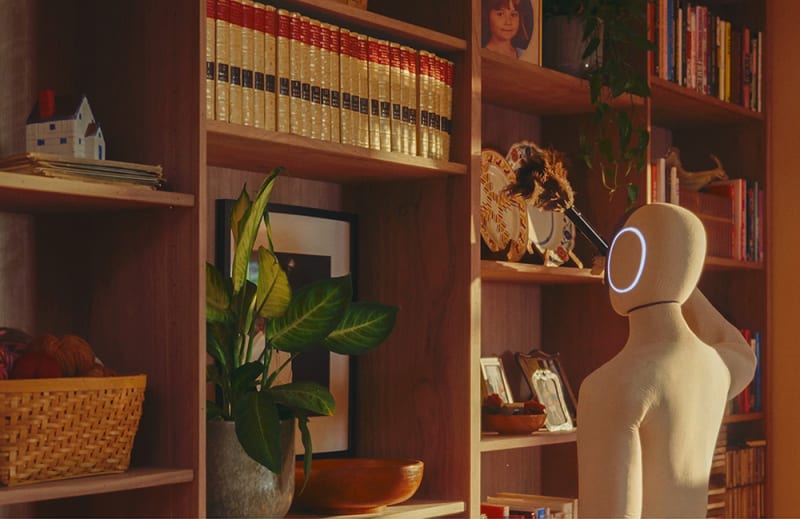
A humanoid robot can now teach itself to perform household tasks it's never seen before by watching videos and understanding real-world physics. NEO represents a breakthrough where robots learn like humans do, without needing step-by-step programming for every single action.
📺 Watch the full story above
Imagine asking a robot to iron your shirt or pack your lunch, and it figures out how to do it just by watching videos online. That future just got a lot closer.
1X Technologies announced last week that its humanoid robot NEO can now learn tasks by watching videos, then perform them in the real world. The robot uses a new AI system called the 1X World Model that turns video understanding into physical actions.
"NEO can now learn from internet-scale video and apply that knowledge directly to the physical world," said Bernt Børnich, founder and CEO of 1X. The robot can handle voice or text commands and figure out tasks it has never encountered before.
In demonstrations, NEO successfully opened sliding doors, brushed someone's hair, operated a toilet seat, and ironed clothing without any prior training on those specific tasks. The robot visualizes what it needs to do based on what it's looking at, then translates those predictions into precise movements.
This represents a major shift in how robots learn. Traditional humanoid robots required human operators to demonstrate every action, creating a bottleneck in how quickly robots could improve. NEO collects its own data and teaches itself new capabilities.
The robot also handles the messy reality of home life better than previous models. Where earlier robots struggled with changes in lighting or cluttered spaces, NEO applies human-like understanding to navigate chaotic environments.
The Ripple Effect
This technology could transform how we think about robots in daily life. Instead of expensive machines programmed for single purposes, households could have adaptable assistants that learn and grow more capable over time.
The company designed NEO specifically for home use. It's available through an early access program for $20,000 with delivery planned for 2026, or through a $499 monthly subscription.
As video AI continues improving, NEO's capabilities will expand alongside it. The robot benefits from advances in video understanding technology, meaning it keeps getting smarter without needing hardware upgrades.
We're witnessing robots cross a threshold from tools that follow instructions to machines that genuinely learn and adapt like we do.
More Images

Based on reporting by The Robot Report
This story was written by BrightWire based on verified news reports.
Spread the positivity!
Share this good news with someone who needs it