Robot Learns to Fix Broken Machines on the Fly
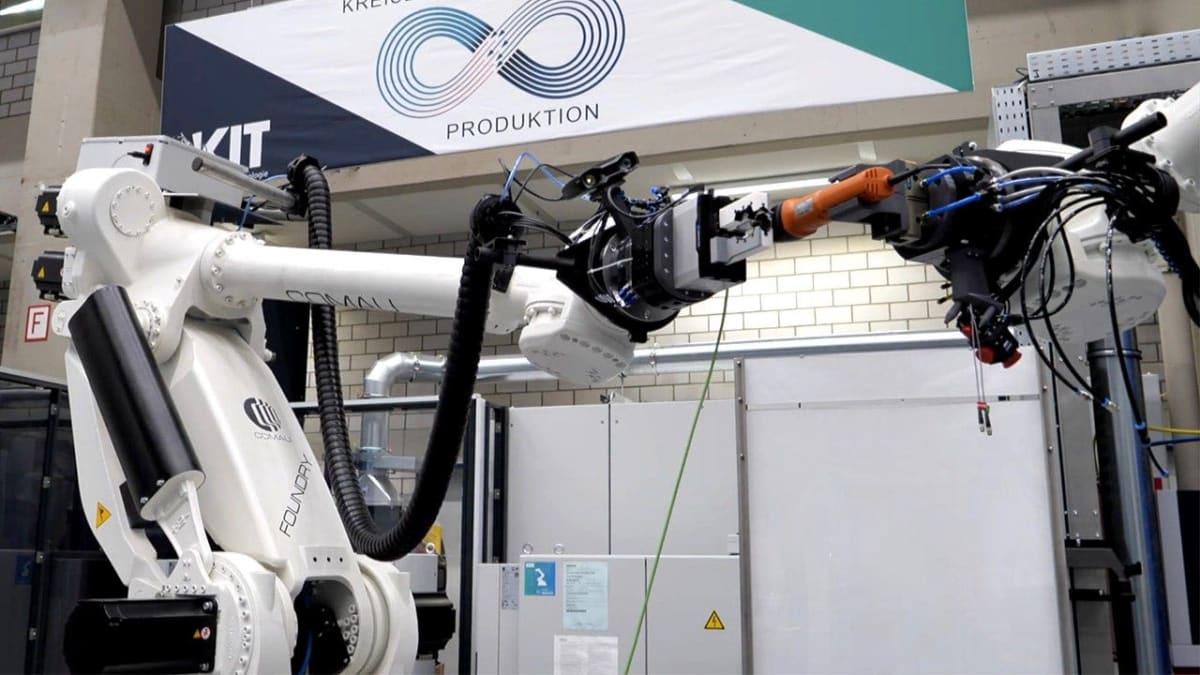
A new robot in Germany can take apart old machines even when screws are stuck, parts are missing, or nothing works as planned. This breakthrough could help tackle our growing mountain of broken industrial equipment.
Imagine a robot that doesn't give up when a rusty screw won't budge or a mystery part goes missing.
Researchers at Germany's Karlsruhe Institute of Technology just taught a robot to do exactly that. While factories already use millions of robots to build new products, this system can dismantle broken machines without following a rigid script.
Here's why that matters. More than 4.6 million industrial robots currently work in factories worldwide, and that number keeps climbing. When those machines break down or wear out, someone has to take them apart to fix or recycle them. But old equipment creates messy surprises that traditional robots can't handle.
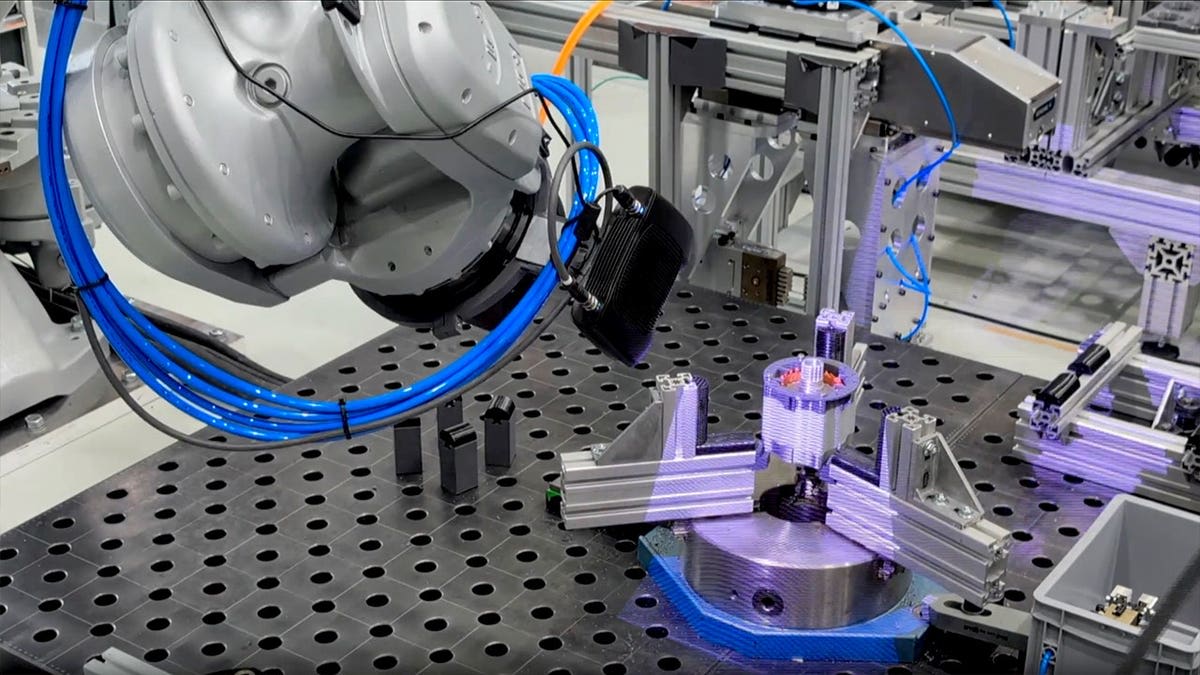
The new system starts with a digital model showing how a machine should look. Then it examines how parts actually behave in real life. When something moves differently than expected, the robot updates its understanding and adjusts its plan.
In one test, the team gave the robot an electric motor with a deliberately stuck screw. Instead of getting trapped in an endless loop trying to unscrew it, the robot switched tactics. It grabbed a milling tool to remove material and access the part another way.
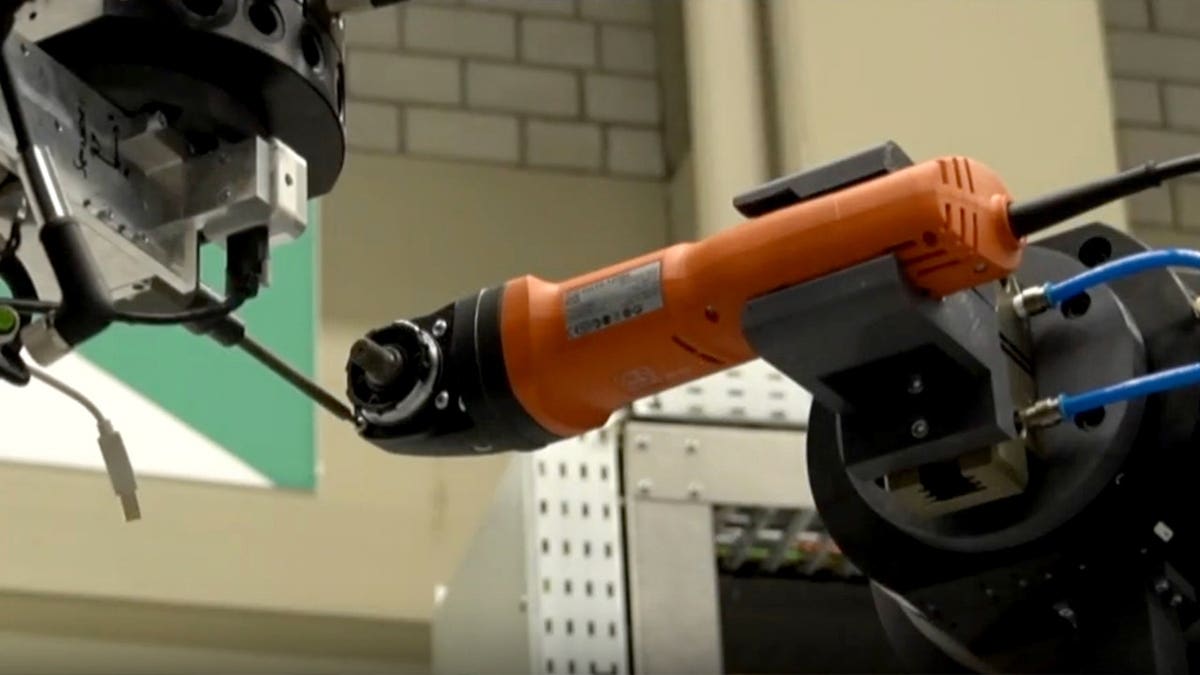
In another experiment with an angle grinder, the robot noticed a screw was already missing and simply moved on instead of wasting time searching for it.
Why This Inspires
Building something new in a factory follows predictable steps. Every screw belongs in a known location. Every part arrives in perfect condition. Robots excel at that kind of work.
Taking apart something old requires flexibility that most automated systems lack. One corroded bolt or previous repair can throw off an entire sequence. This robot treats uncertainty as normal, constantly revising what it thinks is happening based on what it discovers.
The researchers use something called probabilistic planning. Instead of assuming perfect information, the system assigns odds to different scenarios and updates them as new evidence arrives. Think of it as educated guessing that gets smarter with each movement.
The technology isn't perfect yet. The experiments focused on motors and grinders, not complete factory robots dismantling other robots. But the concept opens doors for better recycling, faster repairs, and less waste from machines we can't easily take apart.
The Ripple Effect
As automation spreads, we'll need smart ways to handle equipment at the end of its life. This research points toward a future where robots can adapt to the messy reality of aging machines, not just the clean precision of assembly lines.
The team presented their findings at the 2026 IEEE International Conference on Robotics and Automation in Vienna, showing that flexibility might be just as valuable as speed in the next generation of industrial robots.
We're teaching machines to handle the unexpected, one stuck screw at a time.
More Images
Based on reporting by Fox News Science
This story was written by BrightWire based on verified news reports.
Spread the positivity!
Share this good news with someone who needs it