Robot Learns to Make Balloon Dogs at Vienna Tech Show
A robotic hand at a major robotics conference twisted balloons into animals without popping them, solving one of the field's trickiest challenges. The breakthrough shows machines learning to handle delicate, changing objects just like humans do.
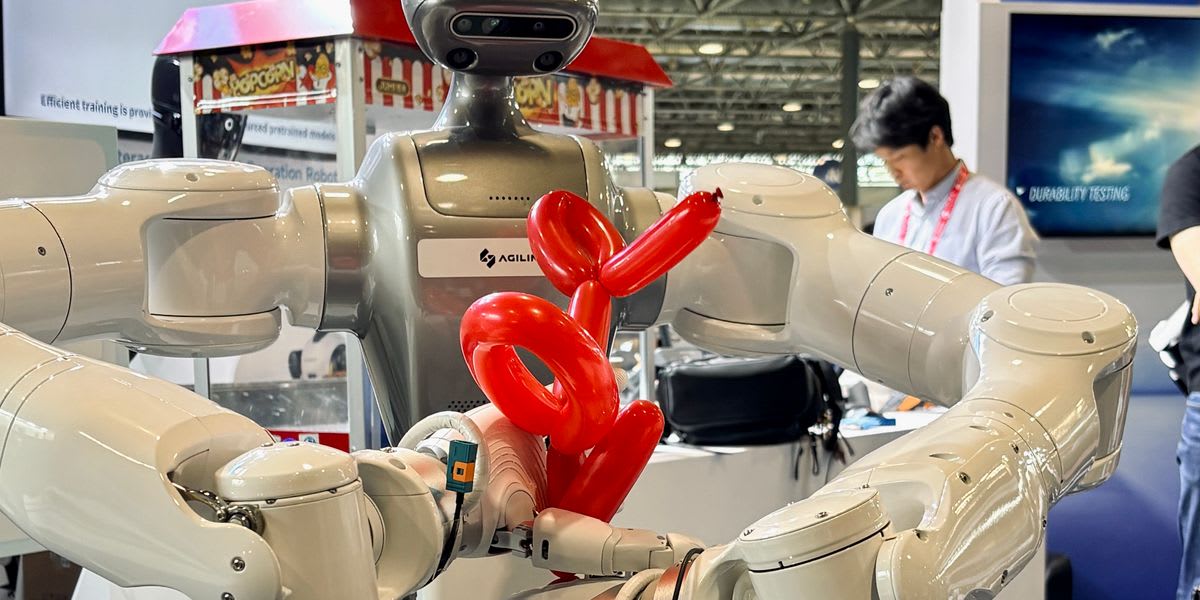
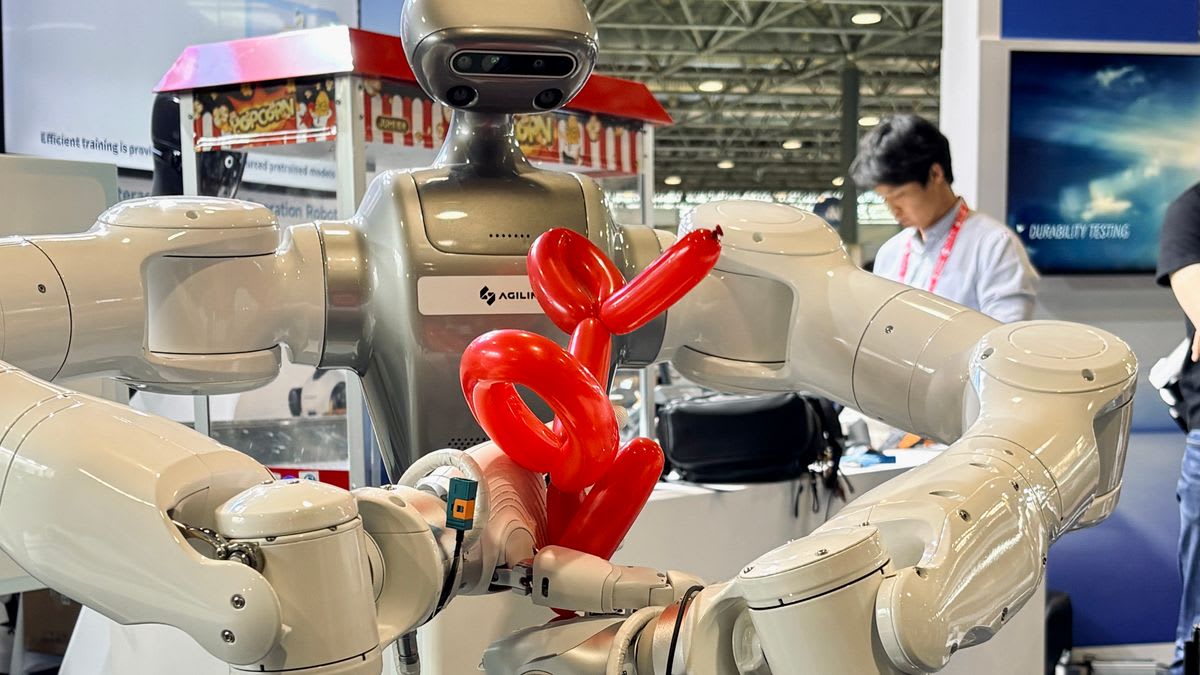
Crowds kept gathering around the same demo booth at a Vienna robotics conference this May, watching something that looked almost magical: two robotic hands twisting a long balloon into a perfect balloon dog.
What seemed playful was actually groundbreaking. Balloon twisting ranks among the hardest tasks in robotics because balloons are slippery, constantly changing shape, and pop with too much pressure.
The demonstration came from AGILINK, a robotics company showcasing its OmniHand system at the 2026 IEEE International Conference on Robotics. While humans make balloon animals without thinking much about it, robots have struggled with tasks requiring constant tiny adjustments to grip and pressure.
AGILINK's team started by studying professional balloon artists, then taught their robot by recording what happened when things went wrong. When the balloon started slipping or the twist looked unstable, human operators jumped in to fix it, and the robot learned from those corrections.
This approach helped the robot master two crucial skills. First, it learned to execute long sequences of steps where early mistakes ruin everything later. Second, it developed what AGILINK calls "contact intelligence," the ability to feel when grip is failing and adjust before disaster strikes.
The balloon must stay in a narrow zone between slipping away and bursting. The robot learned to find that zone and stay there through dozens of twists and turns.
Why This Inspires
This breakthrough matters beyond party tricks. Robots that can handle delicate, unpredictable objects could transform caregiving, surgery, food preparation, and manufacturing of fragile goods.
The same technology helping machines twist balloons could one day help robotic assistants button shirts for elderly patients or handle ripe fruit without bruising. Conference attendees understood this potential, which explains why they kept returning to watch.
AGILINK's approach also reveals something hopeful about how machines learn. Rather than programming every possible scenario, the robot learned by watching humans recover from mistakes, similar to how children learn through trial and correction.
The company built this capability into its OmniHand platform through reinforcement learning combined with human guidance. The result is a robot that doesn't just follow instructions but adapts when the physical world doesn't cooperate.
Robotics researchers have long focused on making machines move precisely, but AGILINK's work shows that maintaining stable contact during messy real-world interactions might be equally important. The balloon dog demonstration proved that robots can finally handle both challenges together.
More Images
Based on reporting by IEEE Spectrum
This story was written by BrightWire based on verified news reports.
Spread the positivity!
Share this good news with someone who needs it